26 July, 2026 | 11:16 AM


Telangana opposes PK
02-06-2026 12:00:00 AM
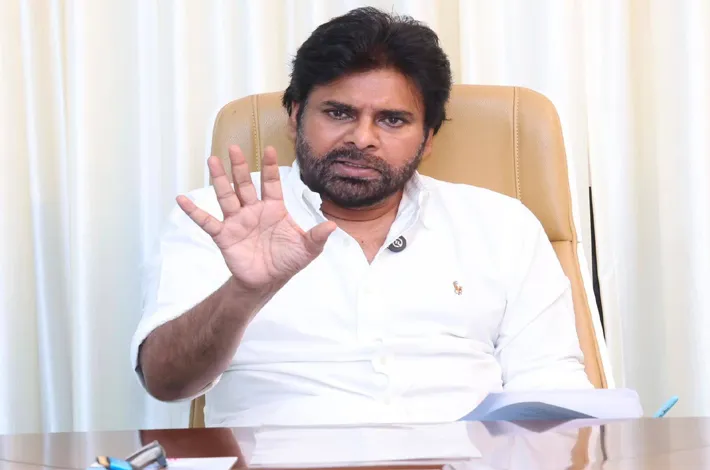
Telangana identity row erupts over Pawan Kalyan’s Today Hyderabad meet n The timing and intent of the event is being questioned by one and all
Pawan Kalyan’s Telangana sabha reignites statehood-era tensions
metro india news I hyderabad
A decision by AP Deputy CM and JSP founder Pawan Kalyan to organise a major public meeting titled "Telangana Nava Nirmana Sankalpa Sabha" in the heart of Hyderabad on June 2 has ignited fierce political debate across the region. The date chosen for the event coincides precisely with Telangana Formation Day, a occasion that holds deep emotional significance for many residents as a marker of the state's hard-won autonomy.
What organisers describe as an outreach programme aimed at fostering development discussions has instead reopened old wounds from the statehood movement. Critics argue that the timing and venue appear provocative, stirring fresh questions about respect for Telangana's distinct identity and the sacrifices made during its prolonged struggle for separate statehood.
The controversy has gained momentum rapidly in recent days, with leaders from the ruling party in Telangana, intellectuals, cultural activists, and ordinary citizens voicing strong objections. Many contend that Pawan Kalyan behind the initiative has yet to provide a satisfactory explanation or apology for past statements perceived as critical of Telangana's people and the very process that led to its creation as a separate state from the erstwhile undivided Andhra Pradesh.
Telangana's formation in 2014 came after decades of agitation, marked by widespread protests, political negotiations, and significant social unrest. For supporters of the movement, June 2 symbolises not just administrative separation but a assertion of cultural pride, linguistic aspirations, and regional self-determination. Holding a high-profile political event by AP Deputy CM on this sensitive anniversary has been interpreted by detractors as an unwelcome intrusion into local sentiments.
Defenders of the gathering maintain that it represents a forward-looking initiative focused on regional development, infrastructure, and people-centric governance. They emphasise the interconnected nature of the two states, pointing to shared linguistic, cultural, and economic ties that persist despite the bifurcation. Proponents suggest that dialogue across state boundaries can only strengthen mutual progress in areas such as irrigation, industry, and employment.
However, these arguments have done little to quell the backlash. Prominent voices in Telangana's political and intellectual circles have described the move as insensitive at best and deliberately inflammatory at worst. "The people of Telangana expect genuine respect for their journey and achievements," said one senior political observer who requested anonymity due to the sensitivity of the issue. "Any engagement must begin with acknowledgment of past grievances rather than sidestepping them."
The row has revived memories of the intense phase of the Telangana statehood movement, which saw students, employees, and political activists mobilise on a massive scale. Slogans demanding self-respect and equitable resource distribution echoed for years. Even after statehood was achieved, underlying concerns about cultural preservation and economic independence continue to influence public discourse.
Analysts note that the controversy highlights the complex realities of inter-state relations in southern India. While official boundaries were redrawn more than a decade ago, social and political undercurrents from the pre-bifurcation era occasionally resurface. Hyderabad, which served as the joint capital for a period following division, remains a symbol of both shared heritage and contested claims.
The ruling dispensation in Telangana has responded firmly, with several ministers and party functionaries criticising the initiative. They argue that any political activity by leaders from neighbouring states should prioritise sensitivity to local history and avoid actions that could polarise communities.
Intellectuals and writers associated with the Telangana movement have penned open letters and organised discussions, stressing the need for accountability regarding historical remarks that hurt regional pride.
This episode occurs against a backdrop of evolving political alignments in both states. With Assembly and parliamentary elections cycles influencing strategic calculations, such events often carry implications beyond their stated objectives. Observers suggest the gathering could test the maturity of inter-state political dialogue and the ability of leaders to navigate historical sensitivities while addressing contemporary challenges.
Supporters of the AP Dy CM counter that constructive politics requires moving beyond past divisions. They point to collaborative potential in sectors such as education, healthcare, and technology, where both regions could benefit from synergy. The "Nava Nirmana" or new construction theme of the proposed meeting is framed as a vision for renewed development rather than confrontation.
Still, the intensity of the opposition underscores deeper issues. For many in Telangana, statehood was not merely an administrative change but a validation of long-suppressed aspirations. Any perceived challenge to that narrative quickly mobilises strong defensive responses. Political commentators warn that mishandling such sentiments risks escalating tensions and complicating future cooperation on practical matters like resource distribution.
Security arrangements in Hyderabad are expected to be heightened. Local authorities face the challenge of ensuring peaceful conduct amid heightened emotions. Whether the event proceeds as planned or undergoes modifications remains uncertain, but its announcement has already succeeded in thrusting questions of identity, apology, and reconciliation back into the spotlight.
The controversy serves as a reminder of the enduring impact of historical movements on present-day politics. In a democracy, public leaders must balance their outreach ambitions with respect for regional sensitivities. As Telangana prepares to celebrate its formation anniversary, the debate surrounding this gathering reflects ongoing negotiations over how neighbouring states can coexist with mutual dignity and shared prosperity
Cyberabad police deny permission for meeting
Cyberabad police have denied permission for the Navanirmana Sankalpa Sabha proposed Sandhya Convention Centre in Gachibowli, citing possible law and order concerns. Andhra Pradesh Deputy Chief Minister Pawan Kalyan was expected to attend. Jana Sena Party is approaching the High Court.