21 September, 2026 | 10:46 AM


Experts chart District-wise strategy to combat El Niño
26-07-2026 12:00:00 AM
MAHESH AVADHUTHA I hyderabad
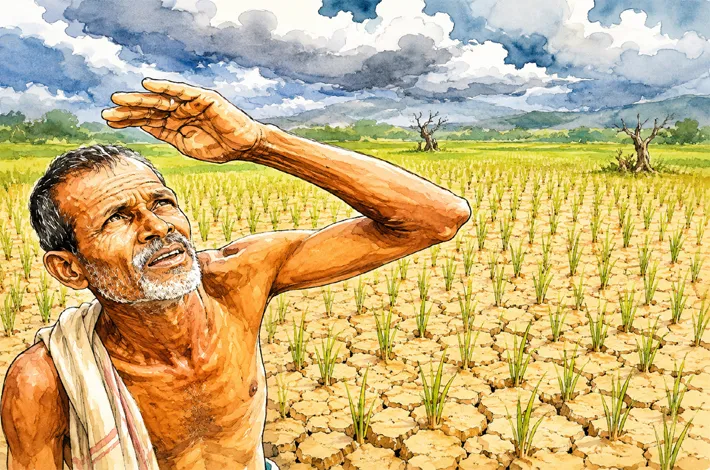
With forecasts indicating the likelihood of an El Niño-driven rainfall deficit, the Telangana government has initiated an extensive district-specific preparedness strategy to minimise the impact on agriculture, water resources and rural livelihoods. Experts, agricultural scientists, officials and stakeholders participated in a series of consultations across the State, resulting in tailored recommendations for each erstwhile district while identifying common priorities for statewide implementation.
The recommendations focus on reducing dependence on water-intensive crops, promoting climate-resilient farming practices, conserving every available drop of water and ensuring timely support to farmers. The exercise reflects the government's effort to prepare in advance for possible drought conditions instead of responding after crop losses occur.
In Adilabad, the emphasis is on replacing water-intensive crops with pulses, millets, groundnut, sesame and horticulture crops. Experts also recommended expanding farm ponds, check dams and rainwater harvesting structures, ensuring timely supply of seeds and fertilisers, strengthening weather advisories, creating fodder banks and improving coordination among agriculture, irrigation and drinking water departments.
For Karimnagar, the focus is on village-level awareness campaigns, discouraging expansion of water-intensive crops, encouraging crop diversification and efficient irrigation, closely monitoring reservoirs and groundwater, and strengthening field-level extension services.
In Khammam, stakeholders stressed prioritising reservoir water for drinking purposes, issuing daily rainfall and irrigation advisories, promoting oil palm, vegetables, pulses and short duration crops, establishing toll-free farmer advisory services and creating mandal-level monitoring committees.
The Nalgonda recommendations include discouraging paddy expansion, promoting horticulture and micro irrigation, strengthening groundwater recharge, preparing delayed rainfall contingency plans and expanding climate-smart farming demonstrations.
Experts in Warangal advocated promoting pulses, maize, millets, vegetables and sesame, ensuring advance seed availability, encouraging drought-resilient crops, conducting village awareness programmes and improving scientific crop advisories through Krishi Vigyan Kendras.
For Mahabubnagar, the strategy focuses on pulses, oilseeds, millets and horticulture, expansion of drip and sprinkler irrigation, promotion of vegetables, orchards and floriculture, establishment of district and field level control rooms and regular field visits to showcase successful farming models.
In Nizamabad, recommendations include expanding water-saving irrigation technologies, climate-resilient crop varieties, integrated and natural farming,
fisheries and diversified farm income, besides promoting protected cultivation and vegetable production. For Rangareddy, experts advised shifting from paddy to maize, vegetables and short duration pulses in delayed rainfall areas, encouraging sunflower and groundnut during late sowing, expanding micro irrigation, conserving soil moisture, promoting vegetable cultivation near urban markets and preparing rainfall-based contingency crop plans.
Across Telangana, experts unanimously recommended discouraging water-intensive paddy cultivation in drought-prone regions while promoting pulses, millets, oilseeds, vegetables and horticulture suited to local agro-climatic conditions. Expansion of drip and sprinkler irrigation, groundwater recharge, rainwater harvesting, timely supply of seeds, fertilisers and farm credit, real-time weather advisories, scientific crop management and close coordination among Agriculture, Irrigation, Rural Development, Power, Drinking Water and allied departments were identified as essential measures.
The consultations also recommended continuous monitoring at district, mandal and village levels to ensure rapid response to changing weather conditions. Collectively, the recommendations provide Telangana with a comprehensive roadmap to mitigate the impact of El Niño, safeguard agricultural production, conserve scarce water resources and protect farmers' livelihoods in the event of prolonged rainfall deficiency.