26 July, 2026 | 11:10 AM


Supreme Court unveils ‘Victim Protection Plan’
05-06-2026 12:00:00 AM
Metro India News | Hyderabad
The Supreme Court has delivered a landmark judgment in Prajwala vs Union of India and Others, introducing the country’s first comprehensive Victim Protection Plan (VPP) for survivors of commercial sexual exploitation and human trafficking. The verdict, delivered on May 29, 2026, by a Bench comprising Justice J.B. Pardiwala and Justice R. Mahadevan, places victims’ rights, dignity, protection and rehabilitation at the centre of India’s anti-trafficking framework.
The Court held that rehabilitation is a fundamental right flowing from Article 21 of the Constitution, which guarantees a life of dignity. It observed that victims of sex trafficking must not be treated as commodities but as individuals entitled to respect, safety and material well-being. The judgment also stressed that a victim’s informed consent should guide decisions relating to care, protection, detention and reintegration, except in exceptional circumstances involving safety concerns or coercion.
Recognising different realities faced by women in prostitution, the Court distinguished between those trafficked against their will, those initially trafficked but later continuing voluntarily, and those voluntarily engaged in commercial sex work. It directed that rescued persons be treated as victims and never arrested during rescue operations.
To strengthen enforcement, the Court ordered Anti-Human Trafficking Units (AHTUs) to be headed by DSP-rank officers and function as specialised police stations for all trafficking cases. These units will maintain databases on traffickers and victims and coordinate with state and national crime records bureaus.
The Victim Protection Plan prescribes detailed procedures from rescue to rehabilitation. Rescued persons cannot be kept in police lock-ups, must have access to legal representation, food, water and safe accommodation, and should be produced before a magistrate or Child Welfare Committee without delay. Special safeguards have been mandated for children, transgender persons, persons with disabilities and those with mental illnesses.
The Court also directed magistrates to conduct inquiries before deciding the future of adult women rescued during anti-trafficking operations. Victims must be legally represented at every stage, and their privacy and confidentiality must be protected throughout proceedings.
For rehabilitation, the judgment mandates trauma care, healthcare, education, livelihood support and employability training. Individual care plans and post-release support will be provided, while authorities must monitor reintegration and prevent re-trafficking for up to three years.
The Court further directed the use of video conferencing during trials, effective implementation of victim compensation provisions, and specialised training for all stakeholders. It also recommended that the Union Government enact a comprehensive anti-trafficking law and address the growing challenge of cyber-enabled human trafficking.
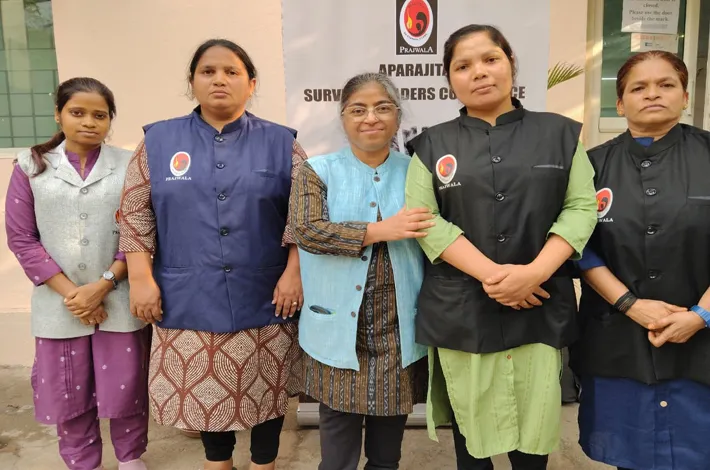
— Sunitha Krishnan, founder, Prajwala