26 July, 2026 | 8:43 AM


Rice mills remain shut for two months
31-05-2026 12:00:00 AM
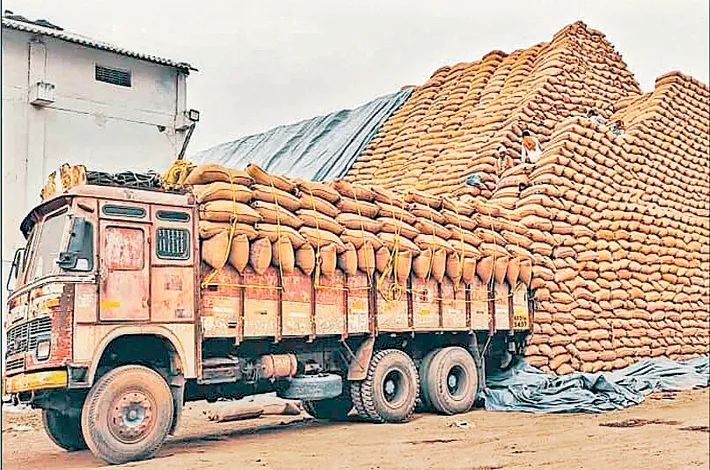
Labour, transport and storage crisis looms
metro india news I hyderabad
Rice mills across Telangana have been virtually at a standstill for nearly two months due to an acute shortage of labourers, transport vehicles, and warehouse space. While milling operations remain severely disrupted, the government has directed millers to complete the supply of 2024 Rabi rice by June 16, leaving the industry worried about penalties and financial losses.
Rice millers say the situation has become increasingly difficult, as milling cannot proceed without workers, rice cannot be transported without trucks, and deliveries cannot be made if warehouses lack storage capacity. They fear that failure to meet the deadline could result in a 25 percent penalty along with an additional 12 percent interest burden.
Labour shortage hits milling operations
The labour shortage has emerged as the biggest challenge for the state's more than 4,500 rice mills. Traditionally, workers from Uttar Pradesh, Bihar, Odisha, and West Bengal play a crucial role in rice milling activities. However, this year, elections in some of these states delayed their arrival, and the number of workers who eventually came was far below normal levels.
Most of the available labourers are choosing to work at paddy procurement centres rather than rice mills. At procurement centres, workers reportedly earn up to Rs. 25 per bag for filling, stitching, weighing, and loading paddy bags onto trucks. In contrast, rice millers pay around Rs. 10 per bag, while government operations offer only about Rs. 6 per bag.
As a result, labourers are gravitating toward procurement centres where wages are higher, leaving rice mills, Food Corporation of India (FCI) warehouses, and Civil Supplies godowns struggling with manpower shortages. Millers say this has forced many units to suspend operations.
Truck shortage worsens the situation
Another major concern is the shortage of trucks, which has affected not only rice mills but also paddy procurement centres and other sectors. The lack of transport has slowed the movement of both paddy and rice across the state.
Even when trucks are available, unloading delays at warehouses due to labour shortages mean vehicles remain stranded for one to two weeks. This has reduced truck availability further, creating a ripple effect across the supply chain. Millers say transporting rice to government warehouses has become extremely difficult.
Lack of storage space adds to pressure
The crisis is compounded by insufficient storage space at FCI and Civil Supplies warehouses. Millers report that trucks carrying rice often have to wait 15 to 20 days before unloading due to space constraints.
Faced with mounting costs and logistical hurdles, many millers have chosen to halt milling operations altogether. They are urging the government either to extend the June 16 deadline or address the shortages of labour, trucks, and storage facilities.
With milling activity largely suspended for nearly two months, industry stakeholders warn that meeting the government's rice supply target under current conditions will be extremely challenging, potentially exposing millers to heavy penalties and additional financial burdens.