27 September, 2026 | 3:08 PM


Nation wide surge in tobacco use-What it may mean?
09-03-2026 12:00:00 AM
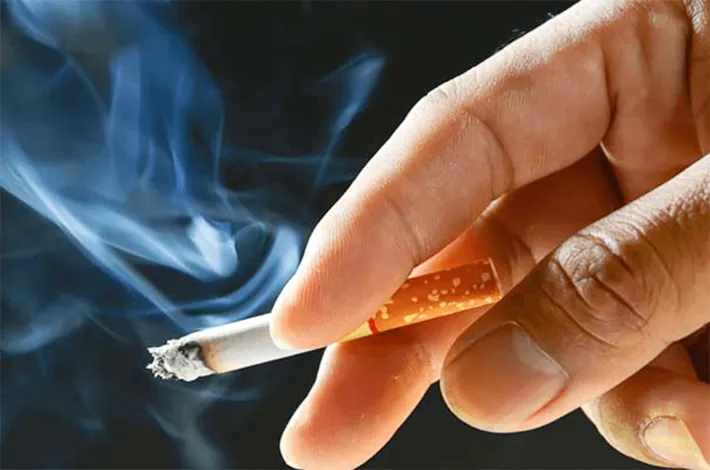
A recent working paper by the Economic Advisory Council to the Prime Minister (EAC-PM), analysing data from the Household Consumption Expenditure Survey (HCES) 2023-24 alongside the 2011-12 National Sample Survey, has revealed a concerning surge in tobacco use across India. Between 2011-12 and 2023-24, the number of tobacco-consuming households in rural areas rose from 9.9 crore (59.3% of rural households) to 13.3 crore (68.6%), marking a 33% increase.
In urban regions, the rise was even steeper, with tobacco-using households jumping from 2.8 crore (34.9%) to 4.7 crore (45.6%), a 59% surge. Adjusted for inflation, per capita expenditure on tobacco grew by 58% in rural India and 77% in urban areas, highlighting a troubling trend that demands urgent public health attention.
Experts discussing the findings, including senior oncologists, surgeons and public health experts described the situation as alarming. They noted that the increase is particularly driven by smokeless tobacco products, such as gutka, due to their ease of availability, discreet use, and ability to fit into daily routines—even in places where smoking is restricted. A surgeon emphasized that habits spread infectiously within families and communities, with advertisements sometimes downplaying risks by portraying these products as harmless. Notably, the rise extends beyond men to include more women, whose chewing habits often remain less visible than smoking.
A health policy expert pointed out that smokeless tobacco poses a unique challenge in India compared to many other countries, with a massive surge in rural areas and spikes in urban ones. He highlighted the economic and health burden, exacerbated by the cheap availability of products and weak enforcement. Despite bans on gutka across states, loopholes persist—such as separate packaging of pan masala and tobacco that users mix to create the prohibited product—allowing a thriving informal market to undermine regulations. This informal growth, he argued, shows that current control measures are being outpaced by accessible supply chains.
India launched the National Tobacco Control Programme (NTCP) in 2007-08 to combat tobacco use through awareness campaigns, cessation services, and enforcement of laws like the Cigarettes and Other Tobacco Products Act (COTPA). The program has expanded to cover nearly all districts, and awareness of tobacco's harms is now widespread. However, both experts agreed that the program's intent has not translated into effective outcomes, largely due to poor enforcement. Multiple laws exist—including provisions under food safety standards, the Poisons Act, and juvenile justice—but implementation remains inconsistent, allowing products to remain readily available.
In clinical practice, a veteran throat cancer specialist has observed a dramatic rise in tobacco-related cancers, particularly oral cancers linked to smokeless forms like gutka. He described "Indian oral cancer" as typically arising from quid placement, involving nicotine conversion to carcinogens in the presence of bacteria and poor oral hygiene, leading to field cancerization across the oral cavity. Cases are appearing in younger patients, including women, with incidence multiplying several times over the past decade. He warned that India is approaching a large-scale cancer crisis, describing it as a "ticking time bomb," compounded by alcohol use and the addictive nature of nicotine—patients even request tobacco while recovering from surgery.
Smokeless tobacco is strongly linked to cancers of the oral cavity, especially at sites like the lateral sulcus, floor of the mouth, under the lip, and buccal mucosa, where users place the product. Precancerous lesions such as leukoplakia or submucous fibrosis can appear in 5-15 years of regular use, progressing to dysplasia and cancer over 20-40 years, though timelines vary based on factors like genetics, hygiene, duration, and co-use of alcohol. Early detection through self-examination is possible, but poor hygiene often masks lesions until they advance.
Tobacco use concentrates heavily among poorer households, where cheap, indigenous, or packaged smokeless forms are accessible. As incomes rise, some shift from bidis to cigarettes or packaged gutka, but pictorial warnings on these products are often unclear or ineffective. Doctors stressed that many in lower-income groups mistakenly view smokeless tobacco as less harmful than smoking, despite its strong links to oral submucous fibrosis and cancers—accounting for perhaps 90% or more of oral cancers and 30-40% of all cancers in India.
Control measures like taxation, pictorial warnings (now covering 85% of packaging surfaces), advertising bans, and restrictions have been in place for years, yet consumption continues to grow. Experts called for stricter enforcement, radical action against surrogate advertising and celebrity endorsements, and genuine commitment from enforcers. Awareness alone is insufficient against addiction; bolder steps, including better monitoring under the WHO's MPOWER framework, are needed. Emerging products like e-cigarettes face similar enforcement gaps despite bans.
Ultimately, the discussion underscored the need for aggressive, multi-pronged strategies beyond awareness: robust enforcement, higher taxes, clear warnings, celebrity accountability, and community-level action.
Global examples from small European nations like Austria show success through strict enforcement, education of law enforcers, and incentives for quitting, though India's context—with smokeless dominance and cultural variations like reverse smoking in some regions—requires tailored approaches. Without decisive intervention, the health and economic toll will only escalate.