2 July, 2026 | 7:57 AM


Restoring the classics
28-04-2026 12:14:43 AM
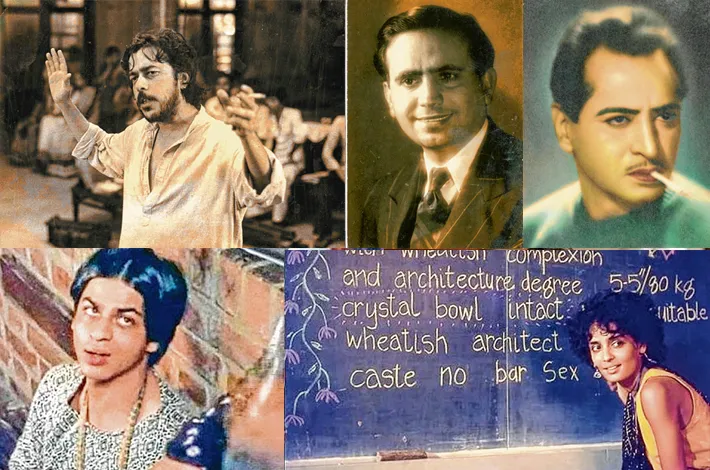
As classics return to screens in 4K, it’s no longer just a technical upgrade story, it’s a cultural-economic moment
Kabir Singh Bhandari
There is a shift taking place quietly but fundamentally which is reshaping Indian cinema- the surge of 4K re-releases and archive-led film restoration.
Thousands of Indian films face irreversible decay due to ageing negatives, colour fading, and sound loss. Audience expectations have shifted, restored classics are now expected to visually and sonically compete with new releases. Regional cinema is travelling further globally with restored masters that meet international exhibition standards. Re-releases, event screenings, and OTT licensing are creating a new economic engine for legacy content. Restorations are triggering renewed critical, academic, and cultural
conversations around Indian cinema.
Some of the main figures at the centre of this movement are Shivendra Singh Dungarpur, founder of the Film Heritage Foundation (FHF) and Abhishek Prasad, Director & CTO, Prasad. FHF established in 2014, is a not-for-profit organization dedicated to preserving and restoring India’s film heritage. Prasad, on the other hand, is one of India’s most experienced post-production and film preservation houses.
As classics return to screens in 4K, this is no longer just a technical upgrade story, it’s a cultural and economic moment.
One of the most recent films which falls in this category was Pradip Krishen and Arundhati Roy’s film In Which Annie Gives It Those Ones (1989), restored In 4K By FHF, which on March 13, 2026, in 14 cities and 19 cinemas.
But what is the importance of archive led film restoration?
“Archive led restoration prioritizes authenticity. In India, where a significant portion of our films exists on ageing and fragile film stock, archives become the most critical starting point. By referring to original camera negatives, interpositives, release prints, censor certificates, and related catalogue, archivists take the right decision on which elements to be selected for scanning or a mix of elements and thus reconstruct the most accurate version of a film.
This prevents the introduction of unintended alterations such as incorrect colour grading, inappropriate aspect ratios, or loss of original grain structure,” Abhishek told us, explaining the technical aspect of things.
Read the full article on: www.freepressjournal.in
Some films restored in 4k by Prasad
● Pyaasa
● Manthan
● Aparajito
● Umrao Jaan
● Padayappa
● Jana Aranya