27 October, 2026 | 8:34 PM


Indian steel giants gear up for massive capacity expansion
10-06-2026 12:00:00 AM
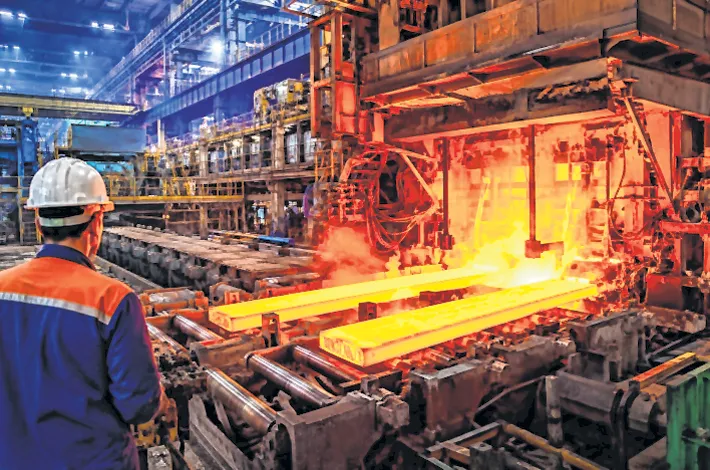
India's steel sector is preparing for a significant expansion phase as strong earnings and stable balance sheets give companies the confidence to undertake large-scale capacity additions, according to a report released by S&P Global Ratings on Tuesday.
The ratings agency said robust profitability and supportive market conditions are helping steelmakers pursue ambitious growth plans while maintaining healthy financial metrics. The country's four largest listed steel producers have announced a combined capital expenditure of around ₹70,000 crore for FY27, marking a 40% increase from approximately ₹50,000 crore spent in FY26.
These companies account for nearly half of India's steel production and are expected to play a central role in achieving the country's long-term steel capacity goals.
The expansion plans come amid robust domestic demand for steel. Industry estimates suggest India's annual steel consumption could rise by more than 50 million tonnes over the next five years.
Finished steel consumption stood at 165 million tonnes in FY26, highlighting the strong demand base supporting future investments. At the same time, domestic steelmakers continue to benefit from safeguard duties on imports.
The government has extended duties of 11%-12% on certain steel imports until April 2028, helping protect local producers from low-priced overseas competition.
Steel companies have reported a sharp improvement in profitability.
Leading producers, including Tata Steel, JSW Steel, Steel Authority of India and Jindal Steel, recorded a 25% increase in EBITDA during FY26.This improvement helped reduce their combined debt-to-EBITDA ratio to 2.4 times, the lowest level seen in several years. Industry analysts expect earnings to grow by more than 20% in FY27 as recently commissioned capacities ramp up production.
India aims to increase steelmaking capacity from 220 million tonnes to 300 million tonnes by 2030. Achieving this target may require annual investments of nearly $15 billion over the next five years. While higher energy and freight costs linked to geopolitical tensions remain a risk, strong domestic demand and firm steel prices are expected to support profitability and keep credit metrics stable during the expansion cycle.