4 October, 2026 | 5:28 PM


Democracy is only path to lasting change: Seethakka
15-03-2026 12:00:00 AM
Metro India News | Hyderabad
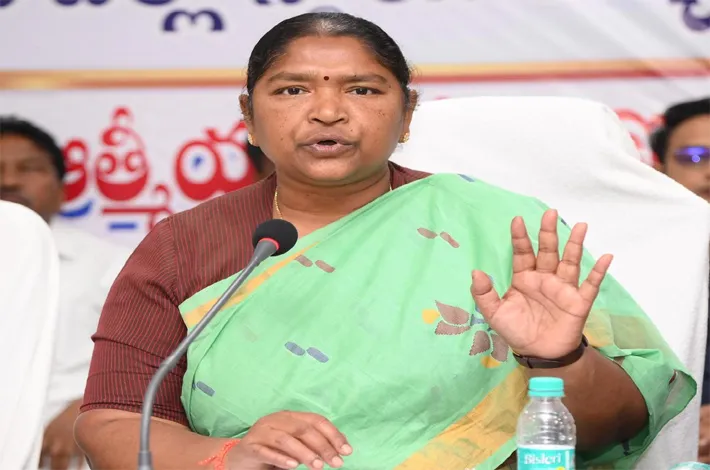
Minister for Panchayat Raj and Rural Development Seethakka has articulated that her personal journey, marked by a transition from "bullet to ballot," exemplifies the profound influence of democracy. She underscored that genuine and lasting change can only be achieved through democratic processes. The Minister recounted a significant personal milestone: progressing from being an accused individual in a courtroom to later presenting legal arguments as a lawyer within the same judicial setting.
Her remarks were delivered on Saturday at the "SheSparks 2026" event, a platform that convened prominent women leaders from diverse professional spheres across the nation. Seethakka attributed this remarkable personal evolution to the opportunities afforded by the Indian Constitution. This event was organized by a prominent national media entity at IIT Delhi. During the gathering, Seethakka highlighted the indispensable role of women in catalyzing societal transformation.
She expressed appreciation for the organizers initiative in bringing together influential women leaders who are making significant contributions in various fields. The Minister found the presence of women from a broad spectrum of sectors—including entrepreneurship, research, IT, writing, the arts, and public administration—to be highly inspiring, asserting that such platforms are instrumental in bolstering women's leadership capabilities.
Furthermore, Seethakka detailed the Telangana government's current initiatives aimed at promoting women's economic empowerment. She noted that through the Society for Elimination of Rural Poverty (SERP), approximately 46 lakh women statewide have formed Self-Help Groups (SHGs) and are actively participating in socio-economic development. The Minister elaborated that by facilitating access to banking services, providing loans for small and medium-sized enterprises, and creating market access, the Telangana government is enabling women to become creators of employment opportunities rather than solely recipients of jobs.