27 September, 2026 | 7:10 PM


Can India shock-proof itself from oil supply crunch
14-03-2026 12:00:00 AM
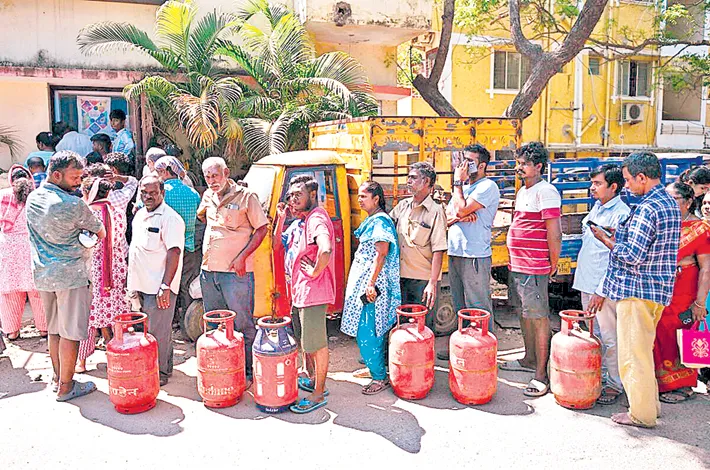
A former top executive of an oil PSU clarified that the 70% non-Hormuz figure primarily applies to crude oil, not LPG or LNG, offering comfort for petroleum products with sufficient stocks to tide over short-term issues
The ongoing conflict in West Asia, particularly the escalation involving the United States, Israel, and Iran, has effectively disrupted shipping through the Strait of Hormuz, one of the world's most critical energy chokepoints. For nearly two weeks, this narrow waterway—through which around 20% of global liquefied natural gas (LNG), a substantial share of oil, and a majority of India's liquefied petroleum gas (LPG) imports typically flow—has seen commercial shipping grind to a near halt due to attacks on vessels and heightened security risks. The International Energy Agency has described this as potentially the largest oil supply disruption in history, with global fuel prices surging and ripple effects felt worldwide, including curtailed workweeks in some regional countries.
In India, the fallout has been immediate and visible, especially in the cooking gas sector. Commercial LPG prices have risen sharply, availability has tightened, and curbs have been imposed to prevent hoarding and black marketing—though reports indicate such practices persist in some areas. Many iconic eateries, canteens, schools, and restaurants have shut down kitchens or severely curtailed operations due to shortages of commercial cylinders. Panic buying has compounded the issue, leading cities to see rapid shifts toward electric cooking alternatives like induction cooktops, which have faced stock shortages as demand spikes.
The government, through Oil Minister Hardeep Singh Puri, has struck a confident tone in Parliament, assuring that India's energy position remains secure. Non-Hormuz sourcing for crude oil has reportedly risen from around 55% to 70%, providing a buffer. No dry-outs have been reported at retail fuel outlets, refineries are operating at full capacity (some even above), and domestic supplies of petrol, diesel, LPG, and other fuels are protected.
Emergency kerosene distribution plans have been activated as a backup for cooking fuel shortages, commercial cylinder supplies are being restored, and domestic LPG production has increased significantly (by up to 28% in some reports). The government has prioritized household LPG to protect the vast majority of consumers, who account for about 87% of usage, while rationing commercial and industrial allocations through quotas and committees to minimize black marketing.
A former top executive of an oil PSU clarified that the 70% non-Hormuz figure primarily applies to crude oil, not LPG or LNG, offering comfort for petroleum products with sufficient stocks to tide over short-term issues. He noted that while crude imports were diversified across 40 countries, LPG remains challenging—60-65% imported, with 90% historically from the Middle East—though recent diversification (e.g., 10% from the US) and increased domestic output, plus incoming US tankers, should ease domestic supplies by month's end. He emphasized no room for panic in household LPG, with commercial/industrial facing temporary strain but improving via diplomatic efforts and quotas.
A PhD scholar from JNU Delhi highlighted India's exposure, particularly in LPG reserves lagging behind international standards (e.g., IEA's 90-day oil reserve benchmark, while India holds about 25 days for oil). Prolonged disruption could force greater diversification, though she noted geographical proximity to the Strait limits full avoidance, and energy transitions (solar, wind) are gradual, not immediate crisis fixes.
Restaurant owners provided a ground-level view of the strain. A hotelier from Mumbai described begging distributors for cylinders amid empty godowns, reducing menu items reliant on gas, and facing uncertainty despite some deliveries. He questioned prioritization of residential over commercial users, noting equal importance for tourism and businesses. Another one reported varied impacts by state—some distributors supportive, others challenging—with bulk buying and menu curtailments (e.g., avoiding tandoor items) helping maintain operations. He remained optimistic, drawing parallels to COVID adaptability, with many hotels implementing new SOPs for minimum functionality. A former foreign secretary stressed diplomatic efforts to secure alternative supplies but critiqued over-reliance on Gulf sources (up to 90% for gas), urging long-term diversification and domestic gas exploration. He noted policy shifts toward LPG for households increased vulnerability and advocated renewables like solar cookers for rural areas.
Ultimately, this crisis transcends barrels and routes—it's about equitable distribution, pricing stability, and public confidence. India's energy resilience on paper must translate to kitchen-level stability. Diplomatic channels, alternative sourcing, and emergency steps provide a buffer, but prolonged West Asia instability tests true insulation. As the government tracks developments, the hope is for swift resolution to avert deeper economic strain.