27 October, 2026 | 1:16 AM


All about generation labels
27-10-2026 12:00:00 AM
Urvashi's Melorism :
There has been endless chatter about generational labels—Gen Z, Gen Alpha, Millennials, and so on. Across the globe, Gen Z is participating in mass protests with remarkable clarity and ferocity. This is neither a political opinion piece nor an attempt to suggest that rigid labels can explain how generations will change the world. But sometimes, the differences these labels point to are hard to ignore.
What inspired this piece was watching my mom interact with my boys, aged 14 and 10, and my 11-year-old niece. Watching the children interact with their grandmother, who was born in the 1940s, was both amusing and surprisingly revealing.
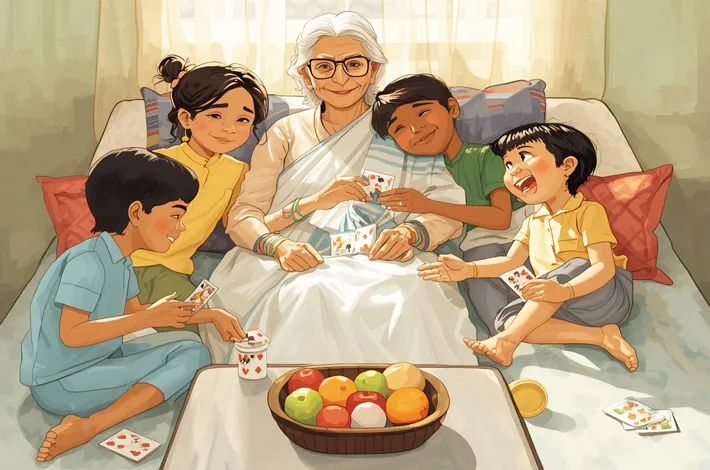
It was one of those lazy afternoons. The kids were sprawled on the bed with her, nibbling on snacks and playing board games. She sat among them, handing out fruit and teaching them Court Piece, Rummy, and other card games.
That was when I overheard my niece refusing to eat fruit. My mom, exasperated, said, “Sab khana chaahiye. Agar nahi khaoge, toh sasural mein kya bolenge? Kuch khilaya hi nahi isko.” (You should eat everything. If you don’t, what will your in-laws say? That you weren’t even fed properly as a child?)
I burst out laughing, and so did the boys. But we were laughing for different reasons. They were laughing because their sister was being teased; I was laughing because I knew the kids couldn’t relate to the comment.
Do such comments matter to this generation? I doubt it. These children question authority, challenge conventions and have strong opinions about how they dress, eat and live. Talk of shaadi, sasural or future plans earns blank stares. My niece wore one when she realised her brothers were teasing her. I gently reassured her, “I've got your back. Ignore them.” Her younger brother teased her further, and we all burst out laughing. My mother meant no harm; her words came from innocence. Once, I asked another Gen Z niece about her boyfriend and marriage. She replied, “I want to earn lots of money, become financially independent, and then see if marriage interests me.” I was struck by her clarity. Their happiness comes first, with little lihaaz for elders' opinions.
Boomers planned. My father collected sarees for me from every state he visited, long before marriage was discussed. Would today's youngsters do that for their children? Probably not. Perhaps neither would I. I often feel suspended between two worlds, witnessing friction, occasional rudeness, love and unexpected enlightenment.
After tennis, my older son playfully asks my mother, pouting, “Nani, can I kiss you?” She laughs, shielding her face as he attempts a kiss on her lips. It reminds me of my Kashmiri grandmother sitting upright when my father returned from work.
I recognised similar tensions in Apple TV's The Stick, where Owen Wilson's Gen X coach struggles to connect with Santi, a Gen Z golf prodigy. Their communication gaps feel familiar, yet bridgeable. Connecting requires empathy, strategy and knowing when to let go. My younger son, ten, is perpetually restless, proudly carrying his half-Kashmiri roots and fascination with the language. An overwhelmed grandmother scolds him, “Ayei tapael!” He repeats it, oblivious to its intent.
We would never have dared answer our grandmother back, let alone joke with her. Times have certainly changed, haven't they? These kids, however, play, tease, kiss, question and feel deeply. They're evolving, and what makes me happiest is the thought that they will carry forward something from the Boomers, absorb the influence of the Millennials, and create a loud, loving, beautifully messy kind of bond.
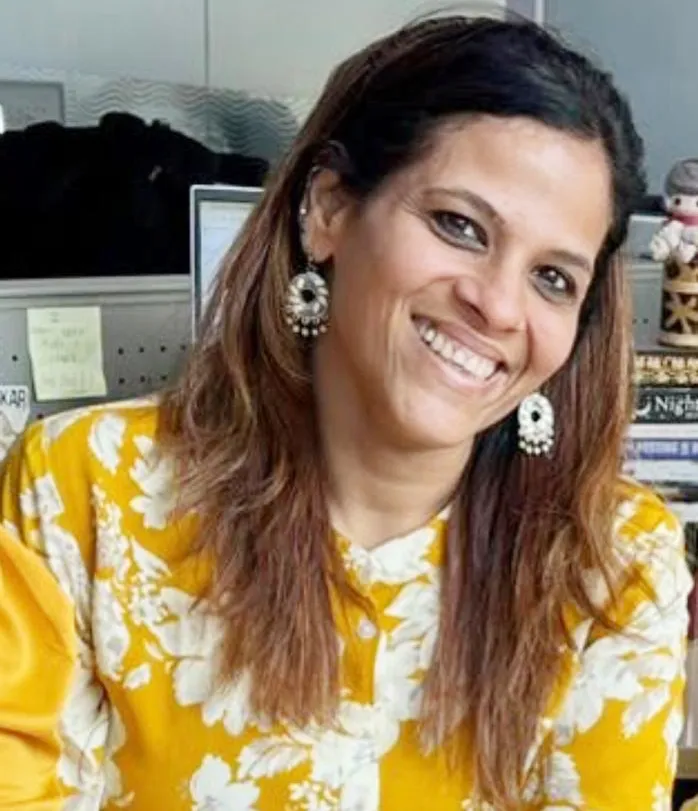
– Urvashi Kaul