23 July, 2026 | 1:41 AM


US Student Visa Shock
10-03-2026 12:00:00 AM
F-1 Approvals for Indians Drop 69 Percent
Stricter screening, interview pauses and processing backlogs disrupt study plans
Hema Singuluri I hyderabad
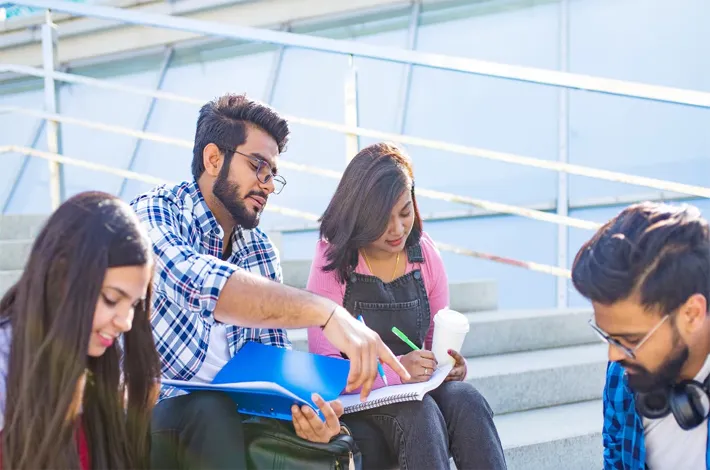
A sharp decline in US student visa approvals has raised concerns among Indian students planning to study abroad. According to newly released data from the United States Department of State, the number of F-1 visas issued to Indian applicants fell by 69 percent during June and July 2025, the crucial months before the August September fall semester.
Only 12,776 Indian students received F-1 visas during these two months, compared with 41,336 approvals in the same period in 2024. The sudden drop has triggered concern among students, families and overseas education advisers, though experts say the decline is largely due to policy and procedural changes rather than falling interest in US education.
According to Vivek G, consultancy expert at KC Overseas Education in SR Nagar, Hyderabad, the fall in approvals is linked to tighter screening measures and administrative disruptions. “The US government introduced a temporary pause in student visa interviews, increased background vetting procedures, and expanded social media disclosure requirements,” he explained.
These changes, he said, significantly reduced the time available for visa interviews and processing at a time when demand is usually at its peak. “Consular staff have been more focused on navigating the new requirements and clearing backlogs,” Vivek added, “which has slowed traditional interview flows and reduced the number of visas signed off each day.”
Education consultants say the impact has been felt strongly in southern states such as Telangana and Andhra Pradesh, which traditionally send large numbers of students to the United States. Some applicants have experienced delays and rejections, though outcomes still vary depending on documentation, interview preparation and the consistency of application details.
Experts believe the current decline reflects a temporary operational disruption rather than a long-term shift in US education demand.
However, they caution that stricter immigration scrutiny could keep approval rates lower unless visa processing systems are streamlined.
With visa screening becoming more rigorous, advisers recommend that students start their preparations much earlier than before. This includes applying to universities early, booking visa appointments well in advance and ensuring all documents are accurate and complete.
Consultants highlight several common mistakes that weaken visa chances, including incomplete DS 160 forms, inconsistent financial records, poorly prepared interviews and last-minute appointment bookings.
Financial documentation remains a key factor in visa decisions. Students must clearly show that they or their sponsors have sufficient funds to cover tuition and living costs. Academic background, clarity of study plans and ties to India also remain important aspects of the visa interview process.
Another emerging factor is online presence. With expanded social media disclosure requirements, students are advised to review their digital profiles to ensure they align with their stated academic intentions.
Meanwhile, some students are exploring alternative study destinations such as Canada, the United Kingdom, Australia and Germany. Although the US continues to be a preferred destination, advisers say students are increasingly keeping multiple options open as visa policies evolve.