27 September, 2026 | 2:03 PM


Trump's 'Flip-Flop'- Opposition alleges “surrender”
08-03-2026 12:00:00 AM
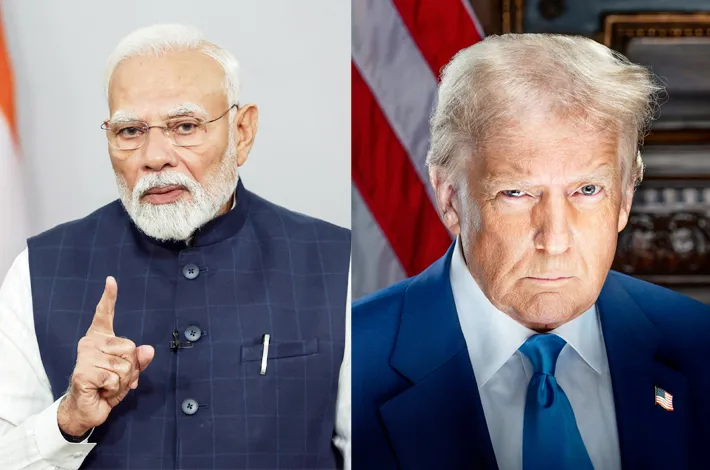
The world is engulfed in escalating conflict, with missiles striking key targets and global alliances in flux. Amid this turmoil, U.S. President Donald Trump's unpredictable policy shifts continue to dominate headlines, particularly regarding energy markets and sanctions on Russian oil imports. A recent dramatic U-turn by the Trump administration—issuing a temporary 30-day waiver allowing Indian refiners to purchase Russian crude—has sparked intense debate in India, highlighting tensions between energy security, national sovereignty and geopolitical pressures.
The backdrop to this development is severe disruption to global energy supplies caused by the ongoing Iran conflict. Iranian missiles have targeted critical infrastructure, including the Ras Tanura oil refinery in Saudi Arabia, petroleum plants in Qatar, oil terminals in the UAE's Fujairah and elsewhere, and fuel tanks in Omani ports. Most alarmingly, attacks have led to the sinking of multiple tankers in the Strait of Hormuz—a vital chokepoint for global oil transit—effectively blockading the route and stranding cargoes. These strikes threaten widespread supply shortages and soaring prices, prompting urgent measures to stabilize markets.
In response, U.S. Treasury Secretary Scott Bessent announced the temporary waiver, explicitly stating it was to "enable oil to keep flowing into the global markets" and provide short-term relief amid the crisis. The measure applies to Russian oil already loaded on vessels before March 5, 2026, with deliveries permitted to Indian ports until early April. This stands in stark contrast to earlier Trump statements, where he threatened steep tariffs (including up to 500% on certain imports) and pressured India to drastically reduce or halt Russian oil purchases as part of trade negotiations. Trump had previously claimed India, under Prime Minister Narendra Modi, had assured him purchases would drop significantly, even to near zero by year's end.
The waiver triggered sharp criticism from India's opposition parties. Congress leader Rahul Gandhi and others accused the Modi government of succumbing to American "blackmail," reducing India to a "banana republic" or "puppet state" dependent on U.S. whims for energy decisions. They warned that reliance on Middle Eastern oil—now disrupted—would drive up domestic fuel prices, exacerbate inflation, and risk drawing India into broader geopolitical entanglements. Critics highlighted the perceived humiliation of needing U.S. "permission" to buy oil from Russia, questioning national sovereignty.
BJP representatives dismissed this as outdated rhetoric, pointing out continued high-volume Russian purchases despite U.S. statements—proving India's independent actions. One analogy likened the waiver to "permission" for routine purchases that were never halted, underscoring that strong diplomacy involves quiet results over public confrontation. Others praised Modi's approach for saving costs (estimated at $26 billion) and benefiting ordinary citizens through stable prices and local refining.
Opposition-aligned analysts criticized the government's silence on the US statement, arguing it creates a perception of weakness and that a strong rebuttal was needed to assert sovereignty. They questioned why India should tolerate phrasing that suggests external permission for its decisions. Another political analyst highlighted India's multi-aligned foreign policy—maintaining defense ties with Russia, strategic partnerships with Israel, expanding trade with the US, and relations with Iran via projects like Chabahar—arguing this reflects confident diplomacy rather than subservience. She contrasted it with the Congress's historical approach, which she described as seeking approval from Western powers.
The Modi government and its supporters countered by emphasizing that India's energy security remains paramount, with decisions guided by national interest amid global uncertainties. Official statements reaffirmed that disruptions would not compromise priorities. Fact-checks presented in media discussions showed that India never fully stopped Russian imports; volumes had declined gradually—from around 39.5% in April 2025 to roughly 22% more recently—but continued at significant levels (around 1 million barrels per day in recent months, with peaks even higher). India, as one of the world's largest refining hubs with substantial strategic reserves (capable of lasting 50+ days), was well-positioned to manage short-term shocks. Moreover, a large portion of India's energy imports bypass the Strait of Hormuz entirely.
Ultimately, the episode underscores deep divisions in Indian politics over energy strategy, U.S. relations, and sovereignty in a volatile world. As the Middle East conflict continues to reshape global energy markets, India's balancing act—prioritizing affordable supplies while navigating great-power pressures—remains a critical test of its independent foreign policy. The waiver may be temporary, but its implications for trust, prices, and alliances will likely endure.