2 July, 2026 | 7:41 AM


Metro Phase-2 awaits centre’s nod
27-04-2026 12:00:00 AM
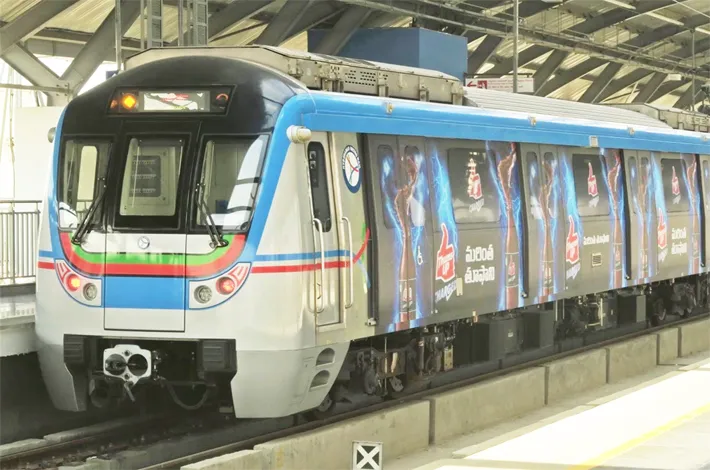
The Telangana government has submitted proposals to the Centre for a 76.4-km Phase-2 network. However, uncertainty over central approval persists, raising concerns about delays
metro india news I hyderabad
As traffic congestion in Hyderabad continues to worsen, the long-pending Metro Rail Phase-2 expansion has returned to the spotlight. While existing metro services have eased commuting to some extent, the proposed expansion is now seen as critical to addressing the city’s growing mobility crisis.
The Telangana government has submitted proposals to the Centre for a 76.4-km Phase-2 network. However, uncertainty over central approval persists, raising concerns about delays. The issue has gained urgency with the state set to take over metro operations from May 1, triggering debate on whether this shift could speed up approvals and execution.
Urban planners say the expansion could significantly reduce congestion by linking key transport routes and major IT corridors. Yet, the lack of a clear timeline has led to criticism. Experts attribute the delay largely to financial considerations, including cost-sharing between the Centre and state, loan structures, and private participation. Technical queries on the Detailed Project Report—covering routes, ridership projections, and revenue models—are also under review.
Officials indicate that multiple pending metro proposals nationwide and budget constraints may be slowing decisions. Still, the state’s takeover of operations has renewed hope that the process could gain momentum.
The move is seen as a potential turning point, with expectations of better transparency and faster decision-making. However, it also shifts financial responsibility to the state, including operational costs and debt burdens, raising concerns over fiscal pressure if revenues fall short.
Experts stress that metro expansion is vital but not sufficient. Strengthening bus services, improving traffic management, and upgrading road infrastructure remain equally important.
Phase-2 proposes five corridors covering 76.4 km, while Phase-2B adds 86.1 km across three routes. Together, they form one of the city’s largest mobility projects—awaiting a long-delayed green signal.