6 July, 2026 | 6:34 AM


Time to Act
20-04-2026 12:00:00 AM
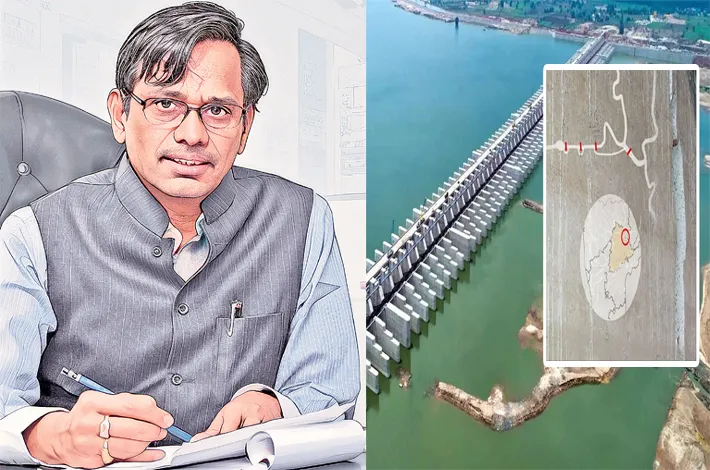
Key Remedies Suggested by CL Rajam:
Comprehensive Geological and Safety Studies: Complete detailed geological studies and secure a full report from the National Dam Safety panel before proceeding with major rectification works. This would provide a scientifically sound baseline for repairs.
Personnel Overhaul: Immediately shift experienced but potentially compromised old officers from the project. Bring in fresh talent and engage a new, specialized contractor for rectification works to ensure impartiality and expertise.
Leadership Qualifications: The Chief Engineer of the Central Design Organization (CDO) must possess at least ten years of relevant design experience. Only such qualified professionals should helm critical roles.
Accountability Measures: Take strict action against responsible officers. Recover at least 30% of the profits earned by contractors involved in the flawed execution.
Phased Repair Timeline: Initiate repair works at the earliest (noting the original timeline; current efforts should accelerate accordingly). This should include dismantling affected blocks (such as the three identified), strengthening or installing new diaphragm and cutoff walls, and extending the apron for better stability.
Transparency and Documentation: Publish a detailed white paper on the problems encountered, solutions implemented, and lessons learned. This would serve as a valuable reference for future infrastructure projects across India and beyond.
Inquiry into Cost Escalations and Consultancy: Institute a thorough enquiry into why tender costs ballooned so significantly. Investigate the role of consultancies like WABCOS, which prepared the Detailed Project Report (DPR) without adequate geological or hydrological investigations despite receiving substantial fees (around Rs. 13 crores). Consider blacklisting such firms and pursuing criminal investigations where warranted.
Broader Systemic Reforms: From the outset, address lapses in project estimation, pre-qualification criteria, and bidder selection to discover true market prices and ensure quality. Avoid undue interference and uphold professional engineering standards.
cl rajam
As Chief Minister A. Revanth Reddy arrives in Medigadda today for an on-ground assessment of the troubled Kaleshwaram Lift Irrigation Project (KLIP) barrages, Metro India takes this opportunity to revisit its impactful banner story titled "Medigadda Myth Busted", published on October 26. 2024. This timely recall underscores the ongoing challenges surrounding one of the state's most ambitious irrigation initiatives and highlights actionable insights that could guide restoration efforts.
The Medigadda Barrage, also known as the Laxmi Barrage, forms a vital component of the massive Kaleshwaram project on the Godavari River. Intended to harness river waters for irrigation, drinking water supply, and industrial use across multiple districts, the project promised to transform Telangana's agricultural landscape. However, structural failures, including the sinking of piers in Block 7 in October 2023, exposed deep-rooted issues in planning, design, and execution. What was hailed as an engineering marvel quickly turned into a symbol of systemic lapses, drawing scrutiny from experts, authorities, and the public alike.
In the lead article of that October 26 edition, Metro India Chairman CL Rajam provided a comprehensive analysis of the Medigadda Reservoir construction fiasco. Rajam described the episode not merely as a localized engineering setback but as a "national disaster" and a glaring "system failure". His write-up delved into the root causes: hasty decision-making, inadequate geological and hydrological investigations, flawed designs, substandard construction practices, and undue political interference. Rajam pointed out how tender processes favored limited bidders, costs escalated dramatically from around Rs. 1,800 crores to Rs. 4,000 crores without justification, and contractors like L&T were awarded contracts based on pipeline experience rather than expertise in barrage construction. He criticized the previous administration for treating the Chief Minister's office as an engineering desk, with contractors operating behind the scenes while professional engineers failed to assert their expertise.
Rajam emphasized that the collapse resulted from a combination of faulty design, poor construction quality, and negligible maintenance. The barrage was conceived as a rigid floating structure, but critical elements like upstream and downstream secant pile cutoffs were not properly integrated with the raft foundation. This led to phenomena such as sand piping, cavity formation beneath the raft, cracks in piers, and eventual subsidence. National Dam Safety Authority (NDSA) reports later corroborated many of these observations, labeling aspects of the damage as irreversible in certain blocks and calling for comprehensive rehabilitation, like providing permanent concrete diaphragm walls.
Crucially, Chairman CL Rajam did not stop at diagnosis. He outlined a series of practical remedies aimed at salvaging the Medigadda Barrage and preventing similar catastrophes in future projects. Metro India is reproducing these suggestions here in the hope that Chief Minister Revanth Reddy and his team will review them closely during today's visit and incorporate the most relevant ones into the ongoing restoration drive.
These recommendations align with subsequent findings from NDSA, vigilance commissions, and expert committees, which have stressed holistic rehabilitation, geotechnical studies, filling cavities, structural re-analysis using advanced modeling, and close monitoring of all three barrages (Medigadda, Annaram, and Sundilla). Recent directives from the Chief Minister's office already focus on fast-tracking repairs, drilling borewells for investigations, setting up base camps, and involving the Central Water Commission.
The Kaleshwaram project holds immense potential for Telangana—irrigating vast farmlands, supporting farmers, ensuring water security, and boosting the rural economy. However, its success hinges on rectifying past errors with transparency, technical rigor, and accountability. As Chief Minister Revanth Reddy conducts his first-hand review today, implementing these well-considered remedies could not only salvage the Medigadda Barrage but also restore public confidence in large-scale public infrastructure.
Metro India sincerely hopes that the Chief Minister and the irrigation department will go through these suggestions in detail and act upon them decisively. The benefits would accrue to the entire state of Telangana, particularly its farming communities who rely on reliable water resources for their livelihoods. Strong, sustainable execution today will pave the way for a resilient tomorrow, turning a national embarrassment into a model of corrective governance and engineering excellence.