27 September, 2026 | 12:41 PM


Stalin 2.0 or “double engine” govt?
17-03-2026 12:00:00 AM
Alliance formations have already shaped the landscape. The Congress has secured a seat-sharing deal with the DMK, contesting 28 assembly seats while also gaining one seat in the upcoming Rajya Sabha
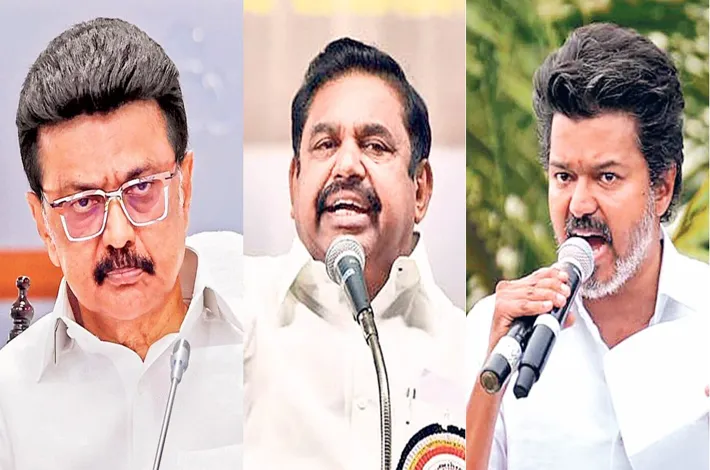
The Election Commission of India has officially announced the 2026 Tamil Nadu Legislative Assembly elections. This sets the stage for a highly anticipated and competitive electoral battle in the state. The upcoming elections are poised to be a high-stakes contest. The ruling Dravida Munnetra Kazhagam (DMK), led by Chief Minister M.K. Stalin, aims to retain power by leveraging its welfare schemes, governance record, and strong alliance network.
Facing it is a consolidated opposition front, primarily the All India Anna Dravida Munnetra Kazhagam (AIADMK) aligned with the BJP-led NDA. Adding intrigue is the emergence of a significant third force: actor-turned-politician Vijay, who launched his party, Tamilaga Vettri Kazhagam (TVK), in February 2024. TVK has ruled out alliances with the NDA and plans to contest independently, positioning itself as a direct challenger to the traditional DMK-AIADMK duopoly.
Alliance formations have already shaped the landscape. The Congress has secured a seat-sharing deal with the DMK, contesting 28 assembly seats while also gaining one seat in the upcoming Rajya Sabha elections. Other smaller parties, including DMDK and influential figures from communities like the Mudaliar group (with former AIADMK confidants joining the DMK fold), have aligned with the DMK-led front. Meanwhile, TVK's entry has sparked speculation about its potential impact, though Vijay has firmly rejected any tie-up with major alliances.
A BJP spokesperson from Tamil Nadu, expressed strong confidence in the NDA's prospects. He dismissed concerns about TVK's influence, describing speculations of last-minute alliances as unfounded. He argued that only two strong fronts exist—the AIADMK-led NDA and the DMK-led alliance—and urged anti-DMK voters to join the NDA. He highlighted what he called DMK's loss of credibility, citing failures in law and order, rising crimes (especially against women and children in schools), increased liquor and drug issues, and economic stagnation despite central investments in infrastructure elsewhere.
A supporter of the Congress-DMK-led alliance, strongly countered these claims. He rejected the BJP's narrative, asserting that Tamil Nadu voters would never support religious polarization or the imposition of Hindutva ideology. He predicted a clear win for the DMK-Congress alliance, estimating their vote share at around 40%, with AIADMK-BJP at a maximum of 30%. He argued that TVK would primarily draw votes from AIADMK and others rather than erode the DMK's core "seasoned" voter base. He downplayed law-and-order concerns as minor or comparable to BJP-ruled states, insisting ground reality favours the ruling alliance to secure over 180 seats.
A political commentator offered a more nuanced, independent view. He suggested the election would be closer than many anticipate, influenced by anti-incumbency, youth sentiment, women's issues and governance murmurs despite DMK's welfare and identity politics legacy. He noted that with multiple forces—DMK's schemes versus opposition coalitions, TVK's celebrity appeal, and BJP's "double engine" sarkar—the contest involves narrative, coalition strength and pulse-reading. He highlighted celebrity culture's impact, where figures like Vijay could split votes and create curiosity, making the outcome hinge on which side best connects with voters, especially the youth and women.
With TVK introducing a fresh welfare promises clashing against governance critiques and alliances solidifying, Tamil Nadu's voters will decide whether Stalin's narrative endures, the opposition consolidates effectively, or Vijay's popularity translates into electoral gains. The April 23 polling date will test these competing visions in what promises to be one of the most watched state elections of 2026.