27 September, 2026 | 1:20 PM


Assam mandate Identity vs anti-incumbency
17-03-2026 12:00:00 AM
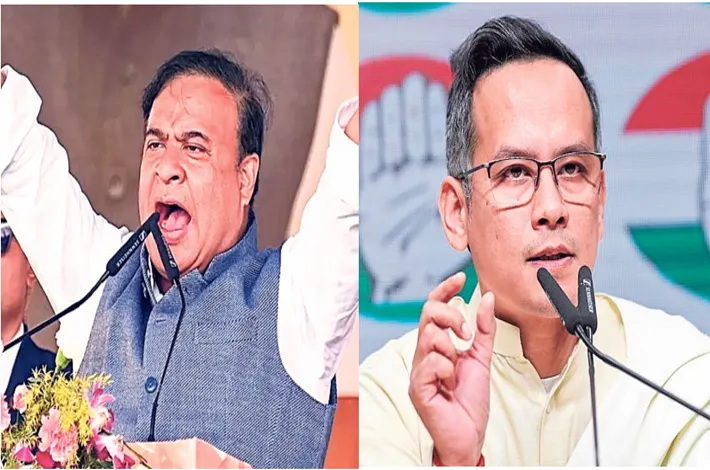
As India’s electoral spotlight shifts to Assam, the state emerges as one of the most complex and fiercely contested battlegrounds. Political observers are closely watching whether Chief Minister Himanta Biswa Sarma’s aggressive Hindutva politics will deliver another victory for the BJP or whether Congress can harness anti-incumbency sentiment. The campaign is dominated by questions of survival, consolidation, and deep-rooted ethnic and religious fault lines.
Key X-factors are shaping the contest. Will Sarma’s brand of Hindutva pay dividends? Can Congress leader Gaurav Gogoi position himself as the credible face of anti-incumbency against the ruling BJP? Will Sarma’s hardline stand against Bengali-speaking Muslim migrants help consolidate the Hindu vote bank? The Chief Minister himself framed the election in stark communal terms, declaring it “a vote for Dharma.” The BJP is also pushing the “double engine” narrative, highlighting central support and generous cash handouts to women, tea garden workers, and other communities.
Congress’s challenge, many say, is to replicate the “Jorhat model” statewide—the 2024 Lok Sabha instance where Gaurav Gogoi secured victory through an unprecedented consolidation of Ahom Hindu votes alongside Muslim support. The BJP’s counter-strategy is clear: ensure maximum Hindu vote consolidation. An analyst added that the party has worked hard on border communities while addressing demands from tribal groups and among tea tribes seeking Sixth Schedule protections. Upper Assam, where “Ahom” community’s influence is strong, remains Congress’s primary target, with hopes of diminishing the AIUDF’s relevance.
A Congress spokesperson predicted that her party would return to power this time, arguing that the people of Assam had seen through the BJP’s broken promises of “Sabka Saath, Sabka Vikas”. She cited the sharp hike in cooking gas prices to Rs 62, the closure of over 7,000 government schools, and the collapse of human-resource development that began under Congress governments. “The common man’s child is now forced to study in expensive schools even if the father pulls a rickshaw,” she said, claiming voters would punish the BJP for ignoring these issues and for creating an “Arunodaya” scheme that she called a mere Rs 1,250 bribe.
The delimitation exercise, often attributed in discussions to recent boundary changes, was cited as another structural advantage for the BJP. Roughly 22 seats are now considered impossible for the BJP to win due to Muslim majorities, yet the remaining 100-plus seats have become Hindu-majority domains. If Congress is perceived as aligned with Muslim interests, winning those seats, it is said, becomes significantly harder. The Assam government on Sunday signed memoranda of settlement with three Kuki armed groups and one Hmar outfit, claiming that the agreements mark the end of "ethnic militancy" in the state. The two pacts, one each with the Kuki and Hmar groups, envisage the formation of welfare and development councils for the Kuki and Hmar communities, with headquarters in Guwahati.
BJP spokesperson countered Congress declaring that Chief Minister Himanta Biswa Sarma “is the pulse of New Assam”. He pointed to the overwhelming public response during the recent “Jan Ashirwad Yatra” and said the BJP had no room for over-confidence. When pressed on the identity crisis and illegal immigration, he defended the government’s eviction policy, stating it was the first since the Assam Agitation to act against encroachers. He cited Supreme Court guidelines and the push-back policy, insisting the party was following the law of the land.
Assam’s inherent complexities—tribal aspirations, ethnic tensions and the possibility of cross-community consolidation in upper Assam—mean the contest remains far from a foregone conclusion. The final verdict will reveal whether Sarma’s polarizing playbook secures a clear win or whether Congress can amplify the Jorhat model into a broader challenge.