26 July, 2026 | 12:33 PM


Rise to Power, Return to Simplicity
28-05-2026 12:00:00 AM
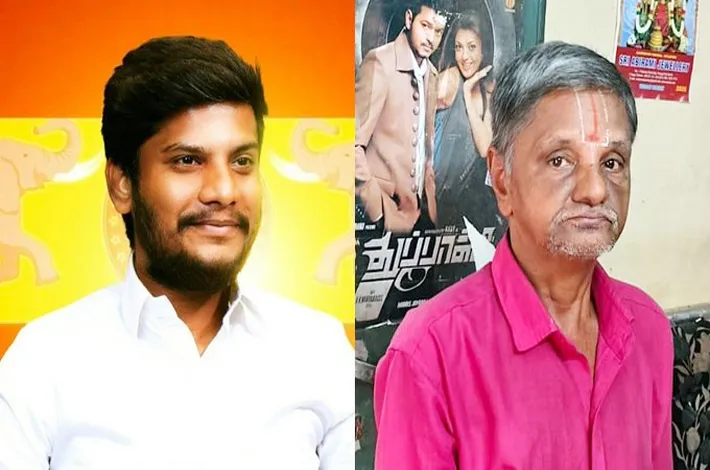
His parents continue their humble occupations—his father as a temple priest and his mother as a house cook—despite their son’s meteoric rise from pasting film posters to holding a significant cabinet position
metro india news I chennai
In the political scenario of Tamil Nadu, where power often brings immediate displays of wealth and status, the inspiring case of S. Ramesh stands out as a refreshing anomaly. The 31-year-old engineering graduate, recently appointed as the Minister for Hindu Religious and Charitable Endowments (HR&CE) in Chief Minister C. Joseph Vijay’s Tamilaga Vettri Kazhagam (TVK) government, hails from a modest Brahmin family.
His parents continue their humble occupations—his father as a temple priest and his mother as a house cook—despite their son’s meteoric rise from pasting film posters to holding a significant cabinet position. The family resides in a cramped 250-square-foot home in Maraimalai Nagar, built on temple land where they pay no rent. A faded poster of actor Vijay’s 2012 film Thuppakki still adorns an old iron bureau, symbolizing Ramesh’s early admiration for the man who would later become his party leader and Chief Minister.
As a 17-year-old, Ramesh was an enthusiastic fan; today, at 31, he represents the Srirangam constituency and oversees the administration of nearly 42,000 temples across the state. This narrative, highlighted in reports and amplified on social media by accounts like journalist B. Anbuselvan and another aspiring politician Deva @Deva_Party, resonates deeply because it underscores themes of rootedness, dignity, and self-reliance. Ramesh’s father, K. Srinivasan, continues his duties at the Sri Shiva Vishnu temple. His mother, S. Sumathi (55), commutes daily from Maraimalai Nagar to Mylapore for her cooking job.
Even after Ramesh became an MLA on May 4, 2026, and a minister on May 21, the family has not altered their daily routines. Srinivasan noted that living on temple land eased past rental burdens, but their modest lifestyle persists. Some, however, have questioned why a minister’s mother still works as a cook or suggested the family upgrade their living conditions. Others highlight Ramesh’s assets, including a latest iPhone and declared properties, to question the “humble background” narrative.
Ramesh, a former party spokesperson known for his articulate media presence, won Srirangam by a substantial margin. His elevation to a key portfolio—managing temples and endowments—has sparked debate, especially as he belongs to the Brahmin community. Critics from Dravidian ideological circles have raised eyebrows, while some Hindu groups see it as a rare opportunity for better temple administration.
Ramesh has clarified that his selection was based on commitment to service, not caste. Temple priests in Tamil Nadu often face economic challenges, with limited fixed income and heavy responsibilities. His family’s story humanizes broader discussions about preserving Hindu institutions, temple autonomy, and supporting traditional livelihoods while navigating modern politics. Supporters hope his tenure will bring reforms to the HR&CE department, long criticized for bureaucratic overreach and mismanagement of temple assets.
His father’s priestly service and his own political ascent illustrate how faith, education, and opportunity can intersect. Critics point out ideological contrasts: a son of a priest who has expressed admiration for Dravidian ideologue EV Ramasamy Nayagar in the past now helming the temple department. Others praise the humility and question whether power will change him. Early days suggest continuity; the family’s unchanged routines send a powerful message of grounded leadership.