27 September, 2026 | 8:31 AM


Rethinking diabetes diagnosis in India
05-03-2026 12:00:00 AM
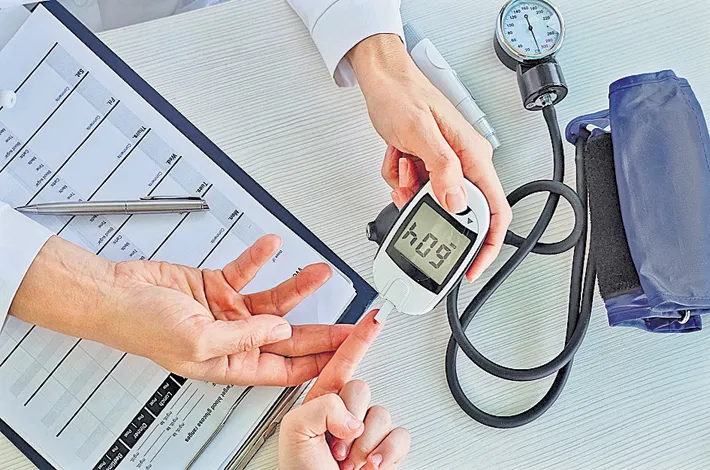
India is the diabetes capital of the world, home to more than 100 million people living with the disease. Yet a new paper published in “The Lancet” by the country’s leading diabetes specialists has raised serious questions about one of the most widely used diagnostic tools: the glycated haemoglobin, or HbA1c, test. The study argues that relying solely on HbA1c can lead to both over-diagnosis and under-diagnosis in large sections of the Indian population. A senior specialist says the problem has been staring clinicians in the face for years. “Every day patients come with reports showing slightly raised HbA1c but completely normal blood glucose levels, or the opposite—very high sugars but an HbA1c that looks acceptable,” he explains. “We are left wondering whom to believe.
However, he points out that blood glucose testing—especially the oral glucose tolerance test (OGTT)—has always remained the true gold standard for diagnosis. The new paper highlights why HbA1c often fails to reflect reality in India. The biggest culprit, he says is anemia, which affects roughly 50 per cent of the population, particularly women with iron-deficiency anaemia. Other conditions common in India—haemoglobinopathies such as sickle-cell disease and beta-thalassemia, G6PD enzyme deficiency, kidney disease, liver problems, obesity, older age, seasonal changes, and even recent blood transfusions—can all distort HbA1c readings.
In tribal areas and certain communities the prevalence of these genetic disorders is even higher. Studies cited in the paper show dramatic mismatches. For an HbA1c of 8 per cent (considered uncontrolled diabetes), actual average blood glucose in one Western study ranged from 155 mg/dL (acceptable) to 218 mg/dL (dangerously high). In India the variations are wider because of the additional burden of nutritional deficiencies and genetic conditions.
A recent UK study on South Asian and African populations, published in Diabetes Care, found that G6PD deficiency—common in both groups—can lower HbA1c by as much as 0.9 per cent. That difference can delay a diabetes diagnosis by up to four years, allowing complications to develop in nearly 37 per cent of such patients. For public-health surveys that shape national policy, the implications are huge. “If you are doing a population survey for diabetes in India, please do not go only by HbA1c,” senior doctors urge.
They also suggest using fasting blood sugar plus a 75-gram oral glucose tolerance test. That remains the gold standard. They note that the Indian Council of Medical Research (ICMR) and most serious researchers already follow this approach and have criticized surveys that rely exclusively on HbA1c.For individual patients, doctors recommends a two-pronged strategy. For diagnosis, always perform an OGTT after three days of normal diet and 8–10 hours of fasting.
For monitoring, patients should check blood sugar six to eight times a month—fasting and post-meal readings spread over different days—and bring the chart to the doctor. HbA1c is still useful, but only as a secondary measure after blood-glucose readings have been reviewed. Medical experts acknowledge that many cardiologists and physicians still rely exclusively on HbA1c because that is what they were taught. However, they opine that India-specific problems need India-specific solutions.
They also make it clear that India cannot simply import western guidelines without looking at our own data. They point out that the issue is not limited to India and that similar problems have been documented in Malaysia and across nutritionally compromised populations in Africa and other developing countries. The message from India’s top diabetes specialist is clear: in a country bearing the world’s heaviest diabetes burden, accurate diagnosis cannot be sacrificed for convenience. Blood-glucose testing must remain central, with HbA1c used only as a supporting tool and always interpreted in the context of the patient’s hemoglobin status and other health factors. For millions of Indians, getting the diagnosis right could mean the difference between timely treatment and years of silent damage.