20 October, 2026 | 12:40 AM


Power of seeing the bigger picture
20-10-2026 12:00:00 AM

There is a well-known saying that ‘we see things not as they are but as we are’ while our physical eyes see everything and everyone the same way, it is actually the thoughts and feelings that accompany the act of seeing which form an impression in the mind about what we are seeing. So, if our feelings are light and pure, we feel the same way about everything we see. On the other hand, if we are in a negative frame of mind we might perceive things negatively.
Most people are caught up in their own lives and their problems which, to them, are big issues. But if we look at the larger picture, we realize that what we spend so much of our time and energy on is really a trifle in the journey of our life, and even more insignificant in relation to the events unfolding on the huge stage of the world, or the universe.
Consider a small child left with his grandparents for a couple of days while his mother is away. If he keeps thinking that she has abandoned him and no longer loves him, he may feel lonely, sad and miserable. However, these feelings arise from his own thoughts. Instead, if he adopts a broader outlook, he will understand that everyone must learn to be independent and that no one can remain with us forever. He may also realise that many children stay away from their parents because of work or other circumstances. Such positive thinking transforms a limited outlook into a universal one.
It is up to us whether we develop a broad perspective or allow narrow thinking to make our lives miserable.
Similarly, we can choose how to respond to everyday inconveniences and relationship problems. We may repeatedly dwell on them, magnify their importance and end up feeling burdened, frustrated, angry or depressed. Alternatively, we can view them in the right perspective and address them constructively without allowing them to disturb our peace of mind.
A broader outlook helps us remain emotionally stable while facing life's challenges. Rather than becoming trapped in our own concerns, we learn to consider other people's circumstances and needs. This enables us to respond with greater understanding, patience and compassion.
Such an attitude benefits not only us but also those around us. It frees us from self-centred and selfish thinking, encourages us to appreciate the larger picture and inspires us to work towards the common good. By making this simple shift in consciousness, we can handle difficulties more calmly, build healthier relationships and lead happier, more balanced lives.
This outlook shapes our behaviour and helps build healthy relationships. Such a person becomes a good team player, adapts to different people, appreciates their qualities and learns from them. Free from jealousy, he accepts praise for others, advice and criticism with maturity. His stable mind enables him to handle challenging situations, earn trust and support others. By avoiding petty issues and focusing on the bigger picture, he develops impartial judgment and becomes a unifying force in any organisation, staying away from divisive groups and cliques. These are the benefits of a simple shift in consciousness. The choice is ours: change for our well-being or remain confused, unhappy and depressed.
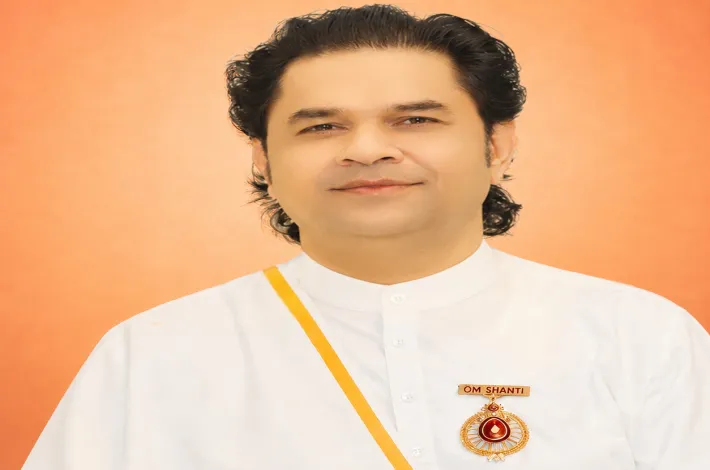
(Rajyogi Brahma Kumar Nikunj
is a spiritual educator
and popular columnist)