15 July, 2026 | 6:46 AM


Power Cuts Push Irrigation to Brink
04-04-2026 12:00:00 AM
Metro India News | Hyderabad
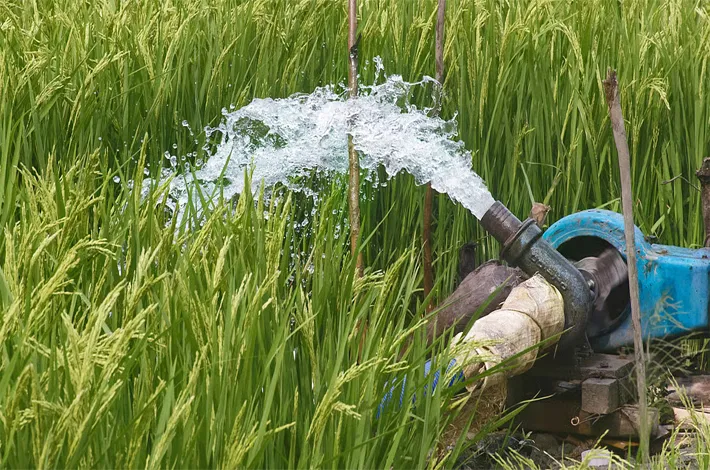
Daily power cuts are becoming increasingly severe in Telangana, thousands of crores in pending dues have piled up on irrigation projects and electricity demand continues to rise. Together, these factors are pushing the irrigation system toward a full-blown crisis. Agriculture is already receiving electricity for only 10 hours a day. In a fresh blow, the Irrigation Department has reportedly issued orders restricting pump operations to daytime hours—specifically during periods when solar power is being generated. These measures have further complicated the situation.
Officials confirm that dues related to irrigation projects have crossed Rs 8,000 crore. Power distribution companies (DISCOMs) are warning that they may halt supply because of the mounting burden. At the same time, pumps are not running at full capacity, leaving fields without water and crops wilting. If the issue is not addressed immediately, the agricultural sector risks sliding into an even deeper and more prolonged crisis.
The worsening power cuts in the state are no longer limited to the farming sector alone; they are now severely affecting the performance of irrigation projects. Lift irrigation projects continue to consume massive amounts of electricity every month, yet the bills are not being cleared. This has crippled the cash flow of DISCOMs, forcing them to borrow heavily from banks and pushing up interest costs. Delayed payments to power generation companies are also affecting the entire electricity sector.
Continuous operation, which is essential for these projects, has become impossible. As a result, water storage in reservoirs is not increasing as planned, and releases into canals are delayed. Tail-end farmers, who are already at a disadvantage, are suffering the most as irrigation water fails to reach their fields. Standing crops are drying up due to the shortage.
Many are forced to rely on expensive diesel pumps, further increasing their costs. Experts warn that without urgent intervention, this twin crisis could push the entire farming community into deeper distress. Long-Term Solutions Needed to Avert Future Crises. Experts stress that both immediate and long-term measures are essential to overcome the present situation. Clearing pending dues is the top priority. They suggest that at least 30 per cent of the outstanding amount owed by the Irrigation Department to power companies should be released immediately.
Instead of supplying power separately to agriculture and irrigation, a coordinated scheduling system would help manage the load more effectively. Installing solar power plants at irrigation project sites is seen as a crucial step. If at least 20 per cent of the electricity requirement can be met through solar energy, the burden on the grid would reduce significantly. A special tariff policy for irrigation and an integrated power-water coordination policy are needed to prevent such crises in the future, experts believe.