26 July, 2026 | 6:52 PM


Modi Sets Record
11-06-2026 12:00:00 AM
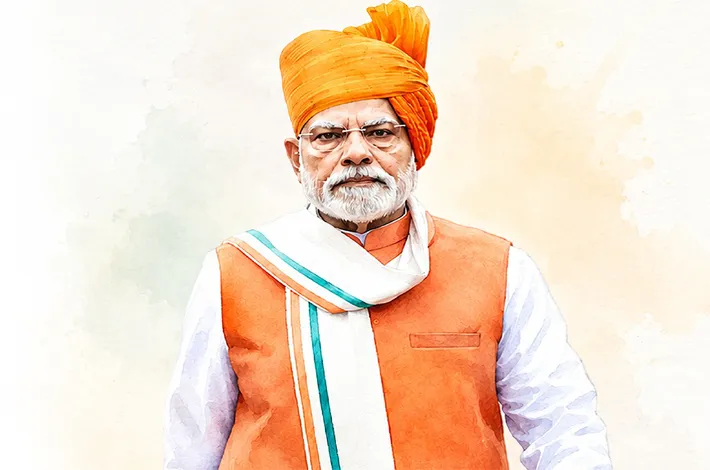
Makes History as India's Longest-Serving Elected PM
4,399 consecutive days in office
■ On June 10, 2026, Narendra Modi became India’s longest serving elected Prime Minister, completing 4,399 consecutive days in office and surpassing the record of Jawaharlal Nehru.
■ Winning three successive national mandates in 2014, 2019, and 2024, Modi’s tenure reflects sustained public support and political continuity at the national level.
■ Welfare initiatives such as Jan Dhan Yojana, Ayushman Bharat, PM Awas Yojana, Jal Jeevan Mission, and Swachh Bharat expanded financial inclusion, healthcare access, housing, sanitation, and drinking water coverage across the country.
■ Economic reforms including GST, Insolvency and Bankruptcy Code, Digital India, and UPI accelerated formalization of the economy, boosted digital transactions, and strengthened India’s investment appeal.
■Massive investments in highways, railways, airports, ports, and logistics infrastructure have supported economic growth and improved national connectivity.
On June 10, 2026, Prime Minister Narendra Modi crossed a historic milestone. He became India's longest-serving elected Prime Minister, surpassing the record held by Jawaharlal Nehru. Modi has served 4,399 consecutive days in office since taking oath on May 26, 2014. This achievement comes after three straight electoral victories in 2014, 2019, and 2024. It reflects the strong trust millions of Indians place in his leadership and vision for a developed nation.
Modi's journey from a humble background in Vadnagar, Gujarat, to the highest office marks a new chapter in Indian politics. Over these 12 years, his government has driven sweeping changes across domestic policy, economic reforms, national security, and foreign relations. Supporters call this period one of decisive action, welfare delivery, and global elevation for India. The focus remains steady on "Nation First," with programs aimed at the poor, women, farmers, and youth.
Transforming Lives Through Welfare and Inclusion
Modi's government placed strong emphasis on direct benefit transfers and financial inclusion from the start. The Pradhan Mantri Jan Dhan Yojana, launched in August 2014, opened bank accounts for the unbanked. Today, over 58 crore accounts stand opened, with women holding a large share. This initiative laid the foundation for transparent welfare delivery and reduced leakages in government schemes.
Housing for all gained fresh momentum under Pradhan Mantri Awas Yojana. More than 4 crore houses have been built, with over 10.5 crore rural households now connected to tap water through Jal Jeevan Mission. These efforts improved living standards in villages and small towns.
In healthcare, Ayushman Bharat Pradhan Mantri Jan Arogya Yojana provides health insurance cover of up to Rs 5 lakh per family to over 70 crore people. This scheme has transformed access to quality treatment for the poor. Millions have received free or cashless care for serious illnesses. Vaccination drives achieved near-universal coverage, with strong results in infant immunization.
Women’s empowerment stands as a key pillar. The government built nearly 10 crore toilets under Swachh Bharat, improving dignity and health. Over 32 crore women hold Jan Dhan accounts. Self-help groups strengthened to nearly 91 lakh, creating lakhs of "Lakhpati Didis." The Mudra loan scheme disbursed over Rs 40 lakh crore, helping small entrepreneurs, many of them women.
The passage of the Women's Reservation Bill reserves one-third of seats in Lok Sabha and state assemblies for women. This historic step promises greater political participation. The ban on triple talaq ended a regressive practice and protected the rights of Muslim women. These moves advanced gender justice and social harmony.
Economic Reforms and Infrastructure Push
Modi's economic agenda focused on formalization, liberalization, and infrastructure. The Goods and Services Tax (GST), implemented in 2017, created a unified national market. It simplified taxation and boosted compliance. Insolvency and Bankruptcy Code helped resolve stressed assets and improved the business environment.
Demonetization in November 2016 aimed to curb black money, corruption, and fake currency. While it caused short-term disruption, the government pushed digital payments forward. Today, UPI handles hundreds of billions of transactions annually, positioning India as a global leader in digital finance. India’s Ease of Doing Business ranking improved dramatically through reforms that simplified compliances and attracted foreign investment. FDI inflows crossed $748 billion between 2014 and 2025.
Infrastructure development received massive investment. National highways expanded rapidly, with thousands of kilometers added each year. Railways saw record capital expenditure, near-complete broad-gauge electrification, and the rollout of Vande Bharat trains. Ports, airports, and logistics networks modernized. Capital expenditure in budgets rose sharply, creating jobs and laying foundations for long-term growth.
India’s GDP has grown significantly, crossing the $4 trillion mark. The country emerged as the fastest-growing major economy in several years. Make in India encouraged manufacturing, while Production-Linked Incentive schemes supported key sectors. Startup recognition crossed 10,000, backed by funding and policy support. Digital India connected millions through affordable data and services.
Poverty alleviation data shows millions lifted out of multidimensional poverty. Free food grains reach over 81 crore people monthly under schemes like PMGKAY. Skill training targets millions of youth. These programs focus on inclusive growth and self-reliance, or Atmanirbhar Bharat.
Decisive Action on National Security and Integration
Modi’s approach to security marked a shift to proactive defense. The 2016 surgical strikes after the Uri attack targeted terror launch pads across the Line of Control. In 2019, the Balakot airstrike hit a Jaish-e-Mohammed camp deep inside Pakistan following the Pulwama incident. These operations signaled zero tolerance for terrorism.
The abrogation of Article 370 in August 2019 ended special status for Jammu and Kashmir and fully integrated the region with the rest of India. This bold move aimed to promote development, end separatism, and ensure equal rights. Subsequent elections and focus on infrastructure sought to bring normalcy and progress to the Valley.
Defence reforms included the creation of the Chief of Defence Staff post for better coordination among forces. One Rank One Pension addressed long-standing demands of ex-servicemen. The government strengthened border infrastructure and modernized the armed forces. Operations against Naxalism yielded results in affected states.
Unique Foreign Policy and Global Leadership
Modi reshaped India’s foreign policy with personal engagement and strategic vision. He visited dozens of countries and hosted world leaders. His approach blends national interest with global responsibility. India expanded ties across regions while maintaining strategic autonomy.
The International Solar Alliance, co-launched with France, promotes clean energy. India supplied COVID-19 vaccines to nearly 100 countries, earning praise as a reliable partner. Humanitarian aid reached over 70 nations, including food grains and medical support. Lines of credit worth billions supported infrastructure in the Global South.
Modi championed the inclusion of the African Union in the G20 during India’s presidency. Initiatives like Voice of Global South Summits amplified developing nations’ concerns. Digital public goods such as UPI found adoption abroad. India’s role in QUAD strengthened partnerships in the Indo-Pacific for security and technology.
World leaders hold Modi in high regard. Italian Prime Minister Giorgia Meloni and European Commission President Ursula von der Leyen congratulated him on the milestone. Many appreciate his vision, energy, and focus on practical cooperation. Leaders praise India’s balanced approach to global issues, from climate change to supply chain resilience. Modi’s emphasis on yoga, Ayurveda, and ancient wisdom adds soft power to India’s profile.
He earns the title of Vishwaguru for positioning India as a guiding voice. India shares development models, disaster response expertise, and democratic values. Evacuation operations brought back thousands of Indians and foreigners from conflict zones. This proactive diplomacy builds trust and elevates India’s standing.
Challenges and the Road Ahead
Twelve years bring achievements alongside ongoing tasks. Unemployment, especially among youth, needs continued focus. Farmers seek stable incomes. Environmental sustainability gains attention through renewable energy targets and lifestyle-for-environment campaigns.
Modi often speaks of Viksit Bharat by 2047. The government pushes reforms in education, agriculture, and technology. Semiconductor and green energy initiatives aim to secure future growth. Digital infrastructure and skilling prepare the young population for new opportunities.
The milestone of longest-serving elected PM arrives at a time of global uncertainty. India’s stable governance, economic momentum, and diplomatic activism position it as a key player. Modi’s leadership style—decisive, technology-driven, and people-centric—defines this era.
From the streets of small towns to international forums, Modi’s message remains consistent: development with dignity, reform with resolve, and progress for all. As India steps into its next phase, the record he sets today stands as a testament to sustained public support and a commitment to transformative change.
This chapter in India’s story highlights how focused leadership, bold decisions, and welfare orientation can reshape a nation. Citizens across the country mark the occasion with pride in the journey so far and hope for the years to come. Under Modi’s watch, India asserts itself with confidence on the global stage while addressing aspirations at home. The longest-serving elected Prime Minister continues to steer the world’s largest democracy toward greater heights.
From Uri to Operation Sindoor
Modi’s decisive strikes against Terror
Narendra Modi’s twelve-year leadership has been marked by a resolute stance against terrorism emanating from across India’s borders. His government demonstrated an uncompromising commitment to national security through decisive actions that conveyed India’s unwillingness to tolerate attacks on its sovereignty.
The 2016 Uri Surgical Strikes became a defining moment, showcasing India’s ability to carry out precise military operations in response to cross-border aggression. Similarly, the responses to the Pathankot, Pulwama, and Pahalgam attacks reflected a consistent policy of firmness, ensuring that perpetrators and their sponsors faced consequences.
In 2025, Operation Sindoor further underscored this approach. Launched after a major terror incident in Kashmir, the operation symbolized India’s proactive and strategic defense posture. It was not merely a military maneuver but a statement of intent: India would safeguard its citizens and territory with strength and clarity. These actions collectively reinforced the message that terrorism would be met with decisive retaliation, not hesitation.
Through these measures, Modi’s government projected India as a nation unwilling to bend under pressure, committed to protecting its people, and determined to uphold peace by confronting threats head-on. This unwavering resolve has become a cornerstone of India’s security doctrine.
The past 12 years of our government have been dedicated to trust, development, and public welfare. With the blessings of 1.4 billion fellow citizens and the spirit of nation first, we have spared no effort in empowering our youth, women, and our farmer brothers and sisters. It is the result of these tireless efforts that today, from infrastructure to the digital revolution, the country has gained a new identity on the global stage. To realize the resolve of a developed India, we will continue to move forward relentlessly on this path of service, good governance, and prosperity.
-Narendra Modi
Prime Minister of India