27 September, 2026 | 4:08 PM


Menstrual leave law could deter hiring of women: Supreme
15-03-2026 12:00:00 AM
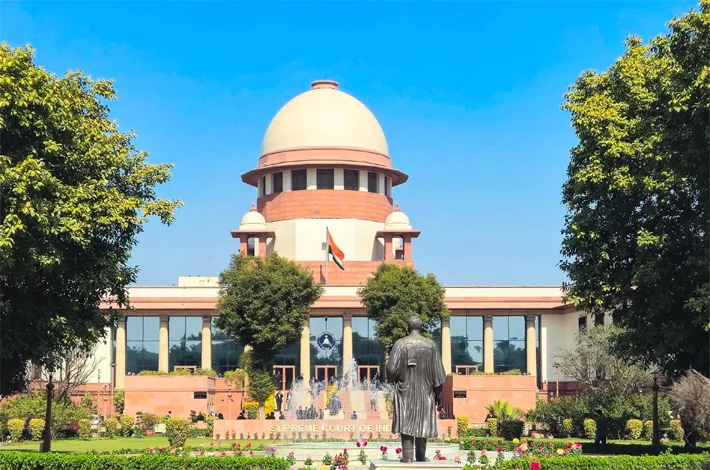
Critics, including the Supreme Court's observations, highlight potential drawbacks. These include practical challenges for employers, such as verifying claims, preventing misuse
The Supreme Court of India has declined to entertain a petition seeking a nationwide mandatory policy for paid menstrual leave for women employees and students. In a ruling delivered on March 13, 2026, a bench led by Chief Justice Surya Kant and including Justice Joymalya Bagchi observed that while the demand may appear reasonable on the surface, enforcing such a provision through law could have unintended negative consequences, particularly by deterring employers from hiring women.
The court expressed concern that mandating additional paid leave specifically for menstruation might lead companies to avoid recruiting female candidates altogether, fearing disruptions to productivity and added costs. Chief Justice Surya Kant reportedly remarked that "nobody will hire women" if such a law were imposed, as employers might perceive it as a risk to their operations.
The bench also cautioned against measures that could unintentionally reinforce stereotypes, creating a psychological impression among women that they are "less capable" or "inferior" to men due to biological realities. Instead of issuing directives, the court disposed of the public interest litigation (PIL) and urged the government to examine the matter, consult stakeholders, and consider framing an appropriate policy.
Menstrual leave policies already exist in several countries, including Japan, South Korea, Indonesia, and Spain, where provisions recognize severe period pain as a valid reason for paid or unpaid absence. In India, no uniform national policy is in place, though some states have taken steps or held discussions. For instance, Kerala, Bihar, Odisha, and Karnataka have either introduced limited measures (often for students in state institutions) or engaged in debates on the topic.
Supporters argue that such leave acknowledges a genuine health reality—severe cramps, fatigue, migraines, and nausea that can impair normal functioning—and promotes humane, equitable workplaces. They frame it as a matter of dignity and equity under Article 21 of the Constitution, which guarantees the right to life and personal dignity, rather than a sign of weakness.
Critics, including the Supreme Court's observations, highlight potential drawbacks. These include practical challenges for employers, such as verifying claims, preventing misuse, managing workforce disruptions, and possible resentment among male colleagues who might view it as preferential treatment. Some experts advocate for alternatives like flexible working arrangements, enhanced gender-neutral sick leave policies, or broader accommodations that avoid singling out menstruation.
A women’s rights activist strongly condemned the ruling as "retrograde, sexist, misogynistic, and pathetically patriarchal," arguing that menstruation is a biological health reality, not a weakness, and that denying equity prioritizes corporate profits over women's well-being.
She emphasized that women already face discrimination in hiring and career progression (including post-maternity challenges) and accused the court of undermining constitutional guarantees by fearing employer bias rather than enforcing rights. She dismissed concerns about misuse, noting that one day per month is minimal and that mistrust disproportionately burdens women.
A male gender equality activist acknowledged the empathy for women's pain but called for nuance, highlighting legitimate employer worries about productivity losses, verification, and potential misuse (drawing parallels to perceived misuse of other gender-specific laws). He stressed the need for social sensitization, consensus-building, and education—especially among men—before rushing into mandates, advocating a cautious, balanced approach rather than polarization.
A female HR professional, from an employer's perspective, supported gender-sensitive policies to foster inclusive, productive workplaces. She argued that the "pinch" of providing such leave is worthwhile for attracting and retaining talent, boosting women's workforce participation, and aligning with themes like "give to gain." She compared it to maternity benefits, which companies already accommodate despite costs, and suggested that competency-based hiring would prevail over minor leave impacts. She favored explicit "menstrual leave" recognition to destigmatize the issue rather than subsuming it under general sick leave, which might require certificates or face other restrictions.
A Diversity-Equality-Inclusiveness (DEI) activist offered a counter perspective, aligning more closely with the court's caution. She argued that mandating menstrual leave could exacerbate existing insensitivities in workplaces, where even mandated maternity leave is sometimes not fully honored, and returning mothers face bias.
She emphasized that many organizations already resist additional responsibilities related to women's health, which could lead to hiring discrimination—particularly in compliance-heavy areas like POSH (Prevention of Sexual Harassment) laws. She also noted the court's point that such policies might exclude women in the unorganized sector and create broader inequities.
The debate underscored deeper tensions: balancing biological equity with workplace realities, addressing historical taboos around menstruation, and ensuring policies empower rather than inadvertently disadvantage women. While the Supreme Court has left the door open for government action, the ruling leaves India grappling with whether menstrual leave advances dignity and health rights or risks creating new employment barriers in an already unequal labor market.