27 September, 2026 | 11:37 AM


LPG Tankers Dock at Mundra
18-03-2026 12:00:00 AM
Triumph or Temporary Relief?
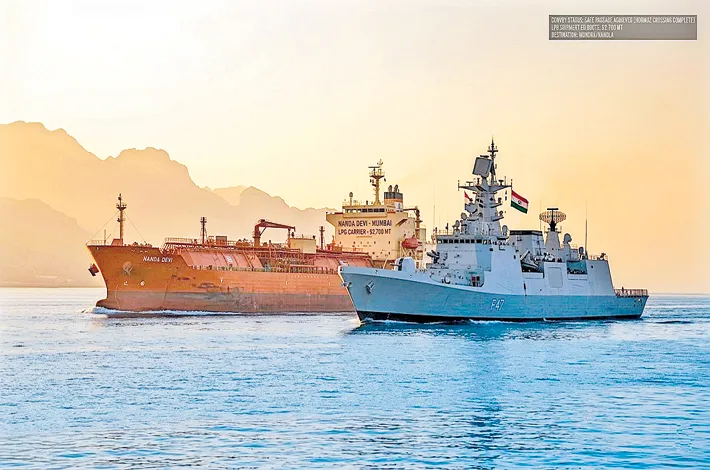
India scored a notable logistical and diplomatic win on March 17, 2026, when the Indian-flagged LPG tanker Shivalik safely reached Mundra port in Gujarat after transiting the Strait of Hormuz—a key global energy chokepoint currently under stress due to tensions involving Iran, the United States, and Israel. The arrival of this tanker, along with another Indian-flagged LPG carrier, Nanda Devi, expected at Kandla port the same day, brings nearly 92,700 metric tons of liquefied petroleum gas (LPG) to India, easing domestic energy pressures amid rising global crude oil prices.
Was this success purely diplomatic, or the result of careful timing and circumstance? External Affairs Minister S. Jaishankar emphasized that sustained dialogue with Tehran produced tangible outcomes, though approvals for Indian vessels are handled individually rather than through blanket permissions. Officials point out that 24 Indian-flagged vessels, carrying more than 600 Indian seafarers, operate in the Persian Gulf, all reportedly safe. Ensuring uninterrupted movement of additional ships through the strait remains a priority, given its role in nearly 20% of global oil trade and critical importance for India’s energy security.
Some diplomats call the situation delicate, noting India must balance ties with Iran, Israel, the United States, and Gulf Cooperation Council states. A former ambassador described India’s diplomacy as keeping all channels open, highlighting repeated affirmations of friendship from Iranian leadership. He expressed optimism that the remaining 22 stranded vessels—including six LPG carriers—would gain safe passage, though production disruptions in Qatar and Kuwait could still pose hurdles.
Strategically, the Strait of Hormuz is vital for LPG imports. India’s consumption has doubled over the last decade to about 30 million tons annually, with 60% imported via very large gas carriers. Domestic LPG stocks cover roughly 15 days, making consistent arrivals crucial to avoid shortages. Crude oil reserves provide a two-month buffer, but LPG vulnerabilities are more acute, requiring vigilance. Defence experts point to the Indian Navy’s historical role in escorting tankers and argue that India’s military-diplomatic leverage, combined with its non-aligned stance, boosts chances of safe passage for the remaining ships.
Economists warn that while the arrivals of Shivalik and Nanda Devi offer temporary relief, India’s LPG demand—around 55 lakh cylinders daily—requires uninterrupted supply to prevent panic, black marketing, or hoarding. Domestic production has risen 25%, but dependence on imports remains high. Rising global energy prices, particularly in the US, demonstrate the wider economic stakes. Some analysts note that Iran gains economically by disrupting supplies and affecting financial hubs like Dubai, but India’s strong ties with Tehran provide a measure of exemption, positioning the country advantageously.
Political commentators see the arrivals as a diplomatic win, crediting India’s balanced relations and the Indian Navy’s role. They argue that the country has successfully combined trust-building diplomacy with a display of military capability, ensuring safe operations even in volatile waters. India is presented as a rising power whose strategic presence deters interference, allowing energy shipments to proceed despite regional instability.
Still, caution is advised. Analysts stress the government is closely monitoring the fluid situation, warning that wartime conditions demand realistic expectations. Alternative sources—such as Russia or Canada—remain expensive, and short-term conservation measures for LPG may be necessary. While crude oil supplies are relatively secure due to Russian imports and stockpiles, LPG flows remain vulnerable to both regional production issues and safe passage challenges.
In the end, the docking of Shivalik and the impending arrival of Nanda Devi serve as a testament to India’s careful balancing act in a volatile geopolitical landscape. The episode highlights a blend of diplomacy, military readiness, and strategic foresight aimed at safeguarding energy security for Indian citizens. Whether this marks a lasting diplomatic edge or a temporary reprieve remains a question for analysts and policymakers alike.