21 October, 2026 | 11:09 AM


Kalpana Inamdar Launches A Campaign VIZ. “LOK TANTRIK NYAY ABHIYAAN
20-08-2026 09:07:05 PM
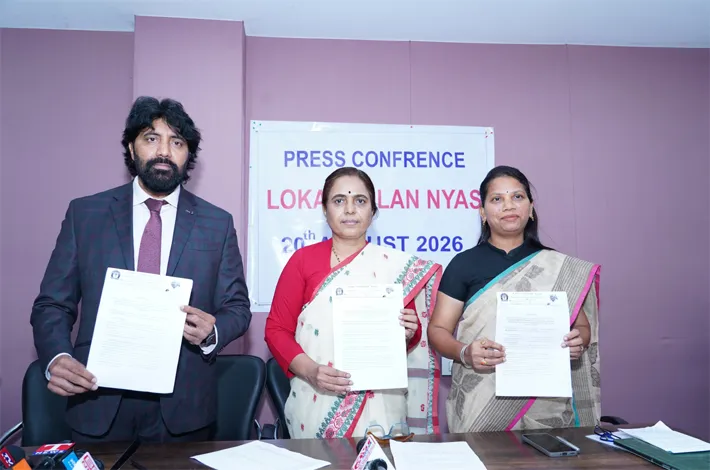
Hyderabad, 20 August 2026:
KALPANA INAMDAR, Working President of Lok Andolan Nyas addressing a press conference at the Press Club Basheerbagh ,Hyderabad, today raised three fundamental issues concerning the strength and inclusiveness of India’s democratic and constitutional institutions—demographic inclusion, political representation and judicial accountability.
The KALPANA INAMDAR stated that constitutional guarantees of equality and social justice must be supported by accurate demographic data, meaningful political representation and transparent institutions of justice.
KALPANA INAMDAR has demanded that the Government of India ensure a dedicated, standardized and scientifically mapped OBC category in Census 2027, rather than relying solely on unstructured caste-name entries.The organization has raised concerns that merely collecting caste information through open-ended entries, without standardized classification and mapping, could create substantial difficulties in compiling reliable and legally defensible OBC demographic data.
The official Census 2027 materials currently provide for caste-related information in the population enumeration schedule, while the Government’s published census material also records the historical distinction between the enumeration of SC/ST categories and broader caste information.
KALPANA INAMDAR welcomed the constitutional recognition of greater women’s representation but called for a more inclusive framework that ensures that women from socially and educationally backward communities are not left behind.
The 106th Constitutional Amendment Act, 2023, popularly known as the Nari Shakti Vandan Adhiniyam, provides for one-third reservation for women in the Lok Sabha and State Legislative Assemblies, including one-third of existing SC/ST reserved seats for women belonging to those communities.
KALPANA INAMDAR also called for comprehensive reforms in judicial appointments and the functioning of the justice delivery system.The organization questioned whether India’s judicial architecture provides sufficient transparency and equal opportunity for talented lawyers from diverse social and geographical backgrounds to rise through the judicial system. At the conclusion of the press conference, KALPANA INAMDAR summarized its principal demands:Ensure a dedicated, standardized and scientifically mapped OBC category in Census 2027 so that demographic data can serve as a credible foundation for social-justice policies.
Amend the constitutional framework governing women’s legislative reservation to provide an appropriate OBC sub-quota, ensuring that women from backward communities receive meaningful political representation.The organization urged the Union Government, Parliament, political parties, constitutional institutions and civil society to engage in a substantive national dialogue on these issues.