23 September, 2026 | 3:32 AM


Is normalcy back in Manipur?
06-02-2026 12:00:00 AM
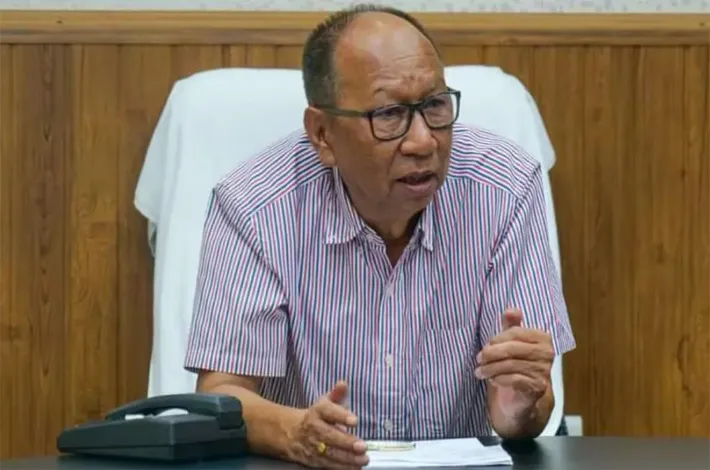
Manipur has marked a significant political milestone with the withdrawal of President's Rule, imposed in February 2025 following the resignation of former Chief Minister N. Biren Singh amid prolonged ethnic violence between the Meitei and Kuki communities. The central administration has now ended, paving the way for the return of elected governance in the state. On February 4th , 62 year old Yumnam Khemchand Singh sworn in as the 13th Chief Minister of Manipur.
Previously he managed key portfolios such as Municipal Administration and Housing, Rural Development and Panchayati Raj, and Education, positioning him centrally in governance during a highly turbulent period. The ethnic unrest in Manipur has left a personal mark on Singh. In October 2023, his residence in Imphal was targeted in a grenade attack, highlighting the era's volatility.
In a notable gesture toward reconciliation, he became the first Meitei MLA to visit Kuki relief camps in December 2025. Singh also emerged as a vocal internal critic of Biren Singh's leadership, contributing to pressures within the BJP that ultimately led to the former CM's resignation. In a strategic move toward inclusive representation, the BJP-led government appointed Nemcha Kipgen (from the Kuki community) and Losii Dikho (from the Naga community) as Deputy Chief Ministers.
These arrangement aims to bridge deep ethnic divisions and foster broader participation. Experts and analysts have expressed cautious optimism about the leadership change. A former Home Secretary described it as a "new dawn" and a long-overdue step to avert a constitutional crisis. He highlighted the inclusion of deputy CMs from Kuki and Naga communities as a positive development, though he noted resistance from some Kuki MLAs demanding separate administration or autonomy.
He appealed for all communities to support the government, emphasizing the challenges ahead: community reconciliation, rehabilitation of displaced people, relief efforts, recovery of looted weapons and logical conclusions to pending cases. A defense expert and retired Major General underscored Manipur's strategic importance as a bridge to Myanmar under India's Look East policy.
He viewed Singh as a credible "best fit" leader from one of the major communities, with the deputy CM appointments providing representation to address grievances, though not every aspiration can be fully met. He stressed the need for cooperation to ensure smooth administration and peace. Another defense expert reinforced the optimism, noting the necessity of returning to democratic rule after a year of President's Rule.
Challenges remain formidable, including addressing "bad apples" resistant to peace, bureaucratic impartiality, the lingering drug trade linked to cross-border issues (particularly from Myanmar), and potential enhancements to the security grid with central forces like Assam Rifles and CRPF to support civil administration without over-imposition.
A former chief of “Assam Rifles” paramilitary force expressed hope that Singh's “heart is in the right place” citing his past actions like visiting Kuki camps and his December statements on peace. He praised the multi-ethnic setup as better than the previous government's legitimacy issues and called for reconciliation between Kuki-Zo and Meitei communities, warning of ongoing risks like recent inter-community incidents. He advocated a single unified security command—similar to Jammu and Kashmir—to tackle militancy, border infiltrations from Myanmar (including arms flows), and issues like poppy cultivation. A senior professor at North Eastern Hill University, Shillong cautioned that the absence of violence does not equal peace; justice, truth and reconciliation are essential. He pointed to symbolic representation potentially masking hierarchies and grassroots distrust, with the government carrying heavy baggage from the conflict.
Restoring hope and trust would be a core challenge. Another senior BSF official agreed that rehabilitating IDPs—only about 10% have returned with security—must be prioritized. He expressed optimism about figures like Govindas Konthoujam (Home Minister) bridging buffer zones and maintaining key routes open. He called for coordinated operations under one commander to counter threats effectively and secure borders against external influences.
While the new government's formation represents a hopeful shift toward stability and inclusivity, experts concur that success hinges on tangible progress: rehabilitating displaced populations, delivering justice and compensation, cracking down on extortion and illegal activities, fostering inter-community dialogue, and establishing effective security coordination. With deep-seated divisions and a fragile peace, the coming months will test whether this multi-ethnic administration can translate symbolic gestures into lasting reconciliation and normalcy in Manipur.