26 September, 2026 | 4:09 AM


Is Hindi film industry under threat?
15-02-2026 12:00:00 AM
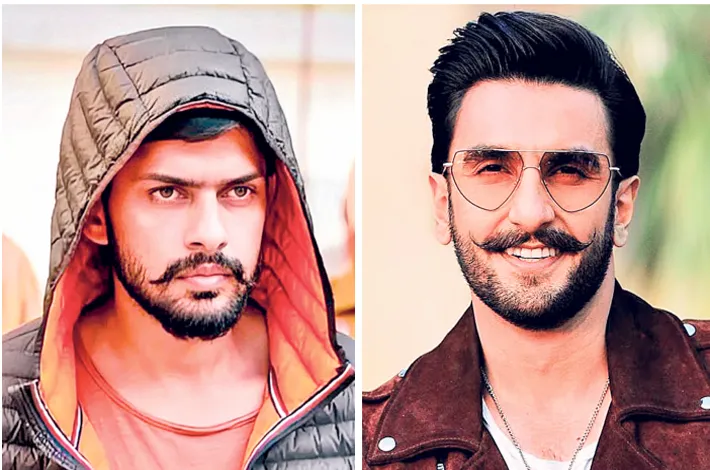
In recent months, Bollywood has been gripped by a wave of chilling threats targeting some of its biggest stars and personalities. From anonymous emails to gunfire outside residences, these incidents have escalated fears within Mumbai's film industry, prompting two major bodies—the Federation of Western India Cine Employees and the Indian Motion Picture Producers Association—to urgently appeal to Maharashtra Chief Minister Devendra Fadnavis for enhanced security measures. The pattern of intimidation, often linked to the notorious Lawrence Bishnoi gang, raises disturbing questions about organized crime's infiltration into the entertainment world.
As threats multiply, the industry wonders if this is a resurgence of the extortion eras of the past, and what it means for the safety of its luminaries. The latest incident involved actor Aayush Sharma, Salman Khan's brother-in-law, who received a threatening email on February 11 via Proton Mail. Sources suggest ties to the Bishnoi gang, which has repeatedly targeted individuals connected to Salman Khan. This follows a similar threat to actor Ranbir Singh, who reportedly received a WhatsApp voice note from someone claiming to be "Hari Boxer" of the Bishnoi gang, demanding crores of rupees and warning of attacks on his staff and associates.
The message even referenced filmmaker Rohit Shetty, whose Mumbai residence, Shetty Tower, was targeted by unidentified motorcyclists firing multiple rounds outside. A subsequent social media post claimed responsibility on behalf of the Bishnoi gang, cryptically calling the incident "just the trailer" and urging Shetty to "align" or face consequences. The vagueness of these threats—what exactly must the targets "abide by"?—adds to the unease, leaving victims and authorities puzzled.
These are not isolated cases. The Bishnoi gang's reach extends beyond India, with "Hari Boxer" also claiming responsibility for gunfire at a cafe in Canada owned by comedian Kapil Sharma.
Salman Khan himself has faced repeated threats, including emails, letters, and gunshots fired outside his home in 2024. Tragically, these warnings have proven deadly: senior political figure Baba Siddique was shot dead in 2024, with the gang citing his proximity to Salman Khan as the motive. Despite Lawrence Bishnoi being imprisoned in Gujarat's Sabarmati Central Jail since 2015, investigators believe his syndicate operates through a network of handlers, shooters, and digital intermediaries.
This raises critical concerns about law enforcement's ability to curb such activities, especially when claims of responsibility are brazenly posted on social media. The situation evokes memories of the 1990s, when underworld figures like Dawood Ibrahim exerted influence over Bollywood through extortion and film financing. Back then, producers faced killings in broad daylight, and a palpable fear permeated the industry.
Today, with advanced tools like VPNs, encrypted emails, and the dark web amplifying threats, the challenges are even greater. Industry insiders describe an atmosphere of fear, questioning whether film sets, actors, and producers are adequately protected. As Mumbai, India's film and financial capital, grapples with this organized criminal pressure, the need for swift intervention has never been more urgent.
An author, writer, and film historian, emphasized the historical ties between Bollywood and nefarious elements. He noted that while the industry once tacitly celebrated antisocial figures in films and even accepted underworld financing, those days seemed past. However, recent events mirror the 1990s extortion era, with threats now amplified by the internet's anonymity.
He highlighted the competence of Mumbai Police in handling past crises but warned that digital tools make tracing origins far more difficult. He expressed optimism that Chief Minister Fadnavis, known for his no-nonsense approach, would address the issue, but cautioned that unchecked threats harm not just Bollywood but India's image.
A former ACP attributed the persistence of such threats to three core vulnerabilities in Bollywood: the flow of ill-gotten money, the allure of fame and lust, and drug involvement. He traced the evolution from gangs like those of Abu Salem and Dawood Ibrahim to the Bishnoi syndicate, which has reportedly expanded to seven countries in a short time—impossible without political connections.
He bluntly blamed the criminalization of politics, where gangsters receive patronage from politicians, allowing them to operate despite arrests. He pointed out that even with over 250 encounters by Mumbai Police in 1999-2000, kingpins like Bishnoi evade elimination, suggesting systemic failures rooted in political nexus. He argued that without political, legal, and systemic reforms, these threats will continue to escalate, fuelled by social media's reach.
An editor of a movie magazine observed that while threats to Bollywood are not new, their frequency has surged in the last two years, particularly after incidents involving Salman Khan and Rohit Shetty. He stressed the role of film associations in advocating for safety, beyond just welfare and justice. He criticized the prioritization of security for politicians over celebrities, noting Bollywood's significant contribution to India's GDP.
He argued that publicizing box-office figures—now a trend emphasizing numbers over jubilees—invites extortion by highlighting wealth. Additionally, he suggested that gangsters target stars for instant publicity, as media coverage amplifies their notoriety, turning threats into a symbiotic cycle of fame for both criminals and victims.
The consensus: Bollywood's plea to authorities signals a tipping point. As threats evolve in the digital age, restoring confidence requires not just police action but a broader crackdown on the nexus between crime and power. Will Maharashtra's government deliver, or will this shadow continue to loom over India's glittering film industry?