30 July, 2026 | 6:21 AM


Hyderabad Hosted “Recovery One 2026” Conference
11-05-2026 09:44:43 PM
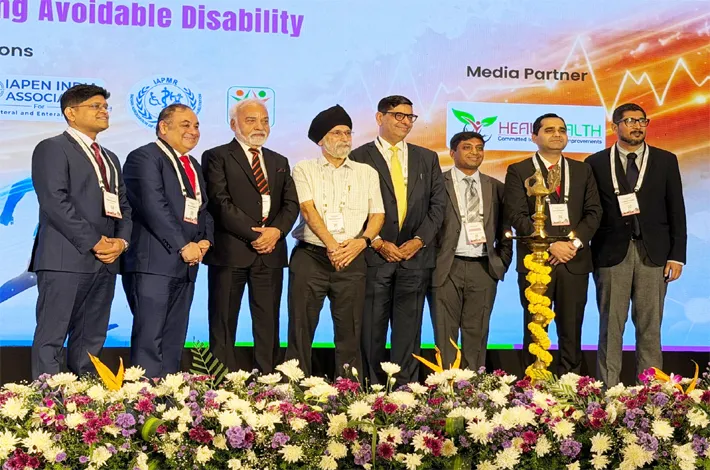
Hyderabad: HCAH Rehab & Recovery Hospitals today hosted the inaugural edition of Recovery One Conference 2026 in Hyderabad — India’s first dedicated multidisciplinary conference focused exclusively on recovery care, rehabilitation, and reducing avoidable disability.
Held at ITC Kakatiya, Begumpet, the conference brought together leading doctors, rehabilitation specialists, hospital leaders, policymakers, insurers, healthcare operators, academicians, accreditation experts, technology innovators, and government institutions from across India to discuss why recovery must now become a core pillar of healthcare itself and not merely an afterthought after treatment ends.
Experts at the conference highlighted that the early recovery window following stroke, trauma, neurological injury, or prolonged ICU care is often the most critical period for restoring function and preventing long-term disability. However, structured rehabilitation pathways remain inaccessible for a large section of patients across India. Globally, nearly 2.4 billion people live with conditions that could benefit from rehabilitation, while India alone records over 1.25 million new stroke cases annually, contributing nearly 10% of the global stroke burden.
Addressing the gathering, Dr. Gaurav Thukral, President & Co-founder, HCAH, said: “India has built strong capabilities in acute and emergency care over the years. We are saving more lives than ever before. But healthcare cannot end at survival or discharge. The real success of medicine lies in whether a patient is able to walk again, speak again, regain independence, return to work, and reclaim dignity after illness or injury.
Highlighting the future of AI-enabled recovery systems, Mr. Ankit Goel, President & Co-founder, HCAH, said, “Recovery is going to emerge as one of the defining healthcare priorities of the next decade. Healthcare systems globally are moving beyond survival-focused metrics toward outcome-focused recovery models. AI-enabled rehabilitation, robotics-assisted therapy, tele-rehabilitation, wearable monitoring systems, and connected recovery ecosystems can help make recovery more measurable, personalized, scalable, and accessible across India.”