6 October, 2026 | 11:38 PM


Germany’s Aging Workforce Turns to India
25-03-2026 12:00:00 AM
Metro India News | Hyderabad
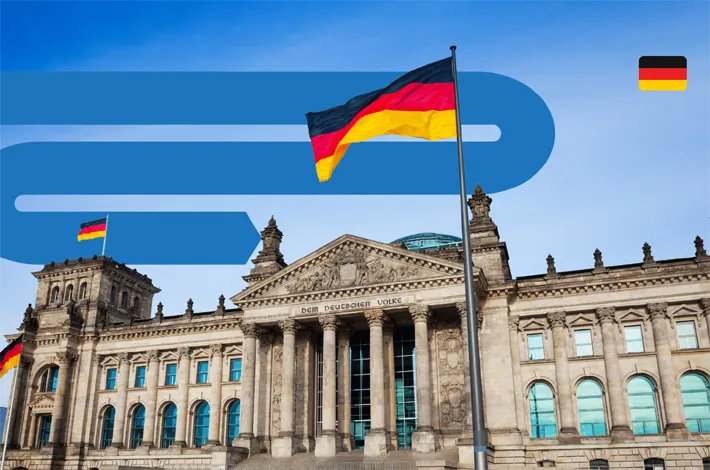
Germany is facing a major skilled worker shortage because its population is ageing and fewer young people are entering the labor force, and to fill that gap it is increasingly looking to India for young, motivated workers, creating fresh overseas job opportunities and marking a shift toward structured international recruitment.
Europe’s largest economy has long relied on a stable domestic workforce, but today the opposite problem has emerged: a rising number of older employees are retiring, and not enough young Germans are stepping into traditional trades or skilled professions like healthcare, engineering or craft vocations. This demographic challenge has left many industries scrambling to find applicants within Germany itself, forcing businesses and labour bodies to look abroad.
The reality of this shift became clear in 2021 when an unexpected email landed in the inbox of Handirk von Ungern‑Sternberg, then with the Freiburg Chamber of Skilled Crafts, a body representing master craftspeople from bricklayers to butchers. The message, sent by recruiters in India, offered “lots of young, motivated people looking for vocational training,” just as German employers were struggling to fill vacancies.
That chance marked the beginning of a new workforce bridge between the two countries. Indian trainees began arriving in Germany for apprenticeships in sectors where labour shortages were most acute. Traditional trades that had seen steep declines in domestic participation, such as butchery, whose small shop numbers nearly halved over two decades, suddenly gained access to young workers willing to train and grow in the field.
Germany’s shortage is not limited to a single sector. Recent reports show demand for professionals in fields including healthcare, IT, manufacturing and technical trades, all of which have long waits or unfilled positions. The imbalance has forced German employers to widen their search beyond Europe, with India emerging as a key partner because of its large, young labour pool and growing interest in overseas work opportunities.
This partnership expands on formal frameworks such as the 2022 Migration and Mobility Partnership Agreement between Germany and India, which was designed to streamline visa and training arrangements for Indian workers, students and trainees. The agreement has helped reduce bureaucratic barriers and make the transition to working in Germany more accessible for Indian applicants.
For many Indian workers, these openings represent more than a job, they offer a chance for stable income, international experience and pathways to long‑term careers abroad. At the same time, Germany’s outreach signals a broader shift in labour policy: instead of relying solely on domestic recruitment, the country is embracing global talent networks.
Employers now see international hiring as essential to maintaining economic activity and supporting industries facing demographic pressure.
Experts say this is more than a temporary trend. With low birth rates and an ageing population, Germany may need hundreds of thousands of foreign workers annually just to keep its labour force stable, making collaborations with countries like India increasingly central to its economic future.