27 September, 2026 | 5:55 AM


War Clouds Over West Asia Is India Ready or Just assuring?
25-03-2026 12:00:00 AM
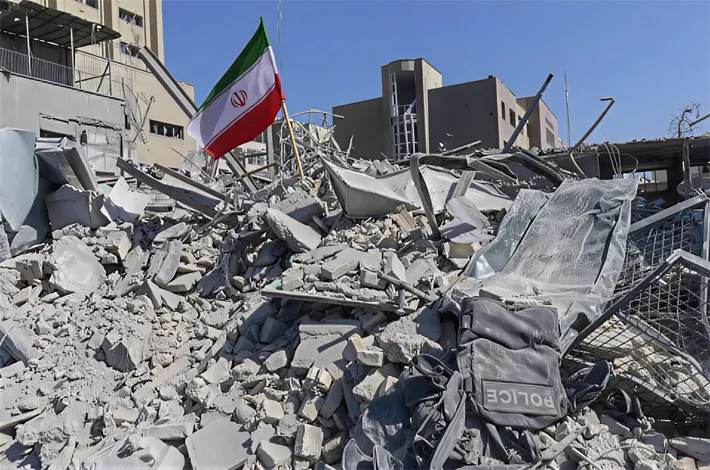
As tensions spiral across West Asia, with flashpoints involving Iran, Israel, and the United States, India finds itself walking a tightrope between preparedness and perception. With the strategic Strait of Hormuz under threat—through which nearly 20 percent of the world’s oil flows—the stakes are not just geopolitical, but deeply economic and domestic. Against this volatile backdrop, Prime Minister Narendra Modi addressed the nation and Parliament, urging calm while outlining what he called a comprehensive preparedness plan. But is this a solid strategy or a confidence-building exercise to prevent panic?
The government’s first line of action has been evacuation. With nearly one crore Indians living and working in the region, the scale of vulnerability is massive. Authorities claim that over 3.75 lakh citizens have already been safely repatriated, including around 1,000 from Iran, many of them students. Helplines have been activated round the clock, and coordination with embassies has intensified. Officials insist that lessons from past crises have been applied, ensuring smoother and faster evacuations this time. However, questions linger over how sustainable such operations would be if the conflict expands or prolongs.
Energy security has emerged as the central concern. India imports over 85 percent of its crude oil, making it highly sensitive to disruptions in West Asia. The Prime Minister highlighted strategic petroleum reserves and diversification of suppliers as key buffers. Yet, experts caution that India’s reserves—estimated at around 53 lakh tons—could only last a few weeks if supply lines are severely disrupted. While alternative sourcing from countries like Russia has been mentioned, logistical and pricing challenges remain. The bigger worry, according to analysts, is natural gas, especially supplies from Qatar, which are already facing disruptions. This could hit small businesses, hotels, and urban households the hardest.
Domestically, the government has shifted focus to controlling panic. Crackdowns on hoarding and black marketing—especially of LPG cylinders—have been stepped up. In cities like Delhi, where shortages were reported, enforcement actions appear to have stabilized supply to some extent. The message from the leadership is clear: essential commodities will be protected, and domestic needs will come first. Yet, critics argue that such assurances need to be backed by transparent data and consistent supply chains to truly inspire confidence.
A strong undercurrent in the debate is the memory of the COVID-19 pandemic. The sudden migration of workers back to villages had dealt a severe blow to the economy. This time, the emphasis is on preventing a repeat. Experts suggest that maintaining access to food and fuel is crucial to keeping migrant labour in urban centres. Interestingly, some voices have even advocated a return to traditional cooking methods—like chulhas using biomass—as a temporary fallback. While practical in rural settings, such suggestions have sparked debate over feasibility in urban India.
From a strategic standpoint, voices from the defence and diplomatic community present a mixed picture. Some describe the situation as one of the most serious external crises India has faced since independence, primarily due to its economic implications rather than direct military threat. Others stress that this is “not India’s war,” drawing parallels with the Russia-Ukraine conflict, where India maintained a neutral stance while safeguarding its interests. The consensus, however, is that India must remain alert but avoid overreaction.
Internationally, the crisis reflects deeper geopolitical shifts. The reliance on alternative oil routes, including discounted supplies from Russia, highlights a changing global energy map. At the same time, disruptions to critical infrastructure in West Asia could take years to repair, potentially reshaping trade flows and alliances. The mention of a temporary pause in hostilities, reportedly signalled by Donald Trump through a short-term waiver on strikes, has added a layer of cautious optimism. But whether this signals de-escalation or merely a pause remains uncertain.
Back home, the political undertone cannot be ignored. While the government projects unity and resilience, there are calls for a more collaborative approach involving the opposition. In times of global crisis, experts argue, internal cohesion becomes as important as external strategy. The narrative being built is one of calm determination—but it is also being closely scrutinized for gaps between assurance and actual readiness.
Ultimately, the situation is a test of India’s crisis management capabilities. The government’s approach blends immediate action with long-term positioning—evacuations, energy diversification, and public messaging. Whether this will be enough depends largely on how the conflict unfolds in the coming days. For now, the message is steady: stay calm, avoid panic, and trust the system. But beneath that calm surface, the debate continues—preparedness or perception, strategy or reassurance?