27 September, 2026 | 7:00 AM


Are women ignoring their heart risks?
25-03-2026 12:00:00 AM
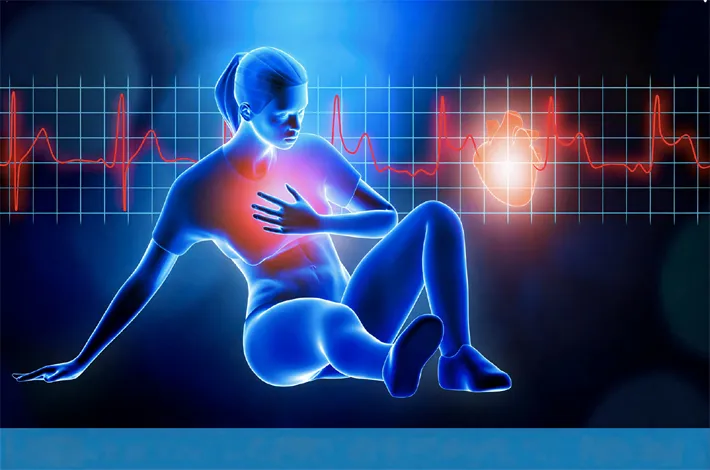
Indian women develop heart disease five to ten years earlier than Western women, largely due to metabolic issues such as diabetes and high blood pressure. Cultural expectations also push women to prioritize family over themselves
Heart disease is no longer a “man’s problem.” In India, cardiovascular disease has quietly become the leading cause of death among women, and experts warn that the situation is worsening. At a recent discussion, cardiologists and health experts argued that rising obesity, diabetes, hypertension, and lifestyle changes are pushing women toward a silent health crisis that demands urgent attention.
A senior cardiologist from the University of Washington shared a startling case. A 38-year-old woman arrived at the emergency room with fatigue and jaw pain, only to learn she had suffered a heart attack six hours earlier. She had dismissed her symptoms as simple overwork. “This is common,” the doctor said. “Women’s heart disease often appears in subtle ways, and many ignore the early signs.”
Indian women develop heart disease five to ten years earlier than Western women, largely due to metabolic issues such as diabetes and high blood pressure. Cultural expectations also push women to prioritize family over themselves, meaning fatigue, shortness of breath, nausea, jaw or back pain, and even indigestion are often ignored. According to the National Family Health Survey-5 (2019–21), 24 percent of Indian women are overweight or obese, and 21 percent have high blood pressure, highlighting the scale of the problem.
Lifestyle changes over the past few decades are playing a major role. A cardiologist from Bengaluru pointed out that risk factors that were rare forty years ago—early-onset diabetes, hypertension, high cholesterol, and poor diets—are now common. “Quick breakfasts, tea with biscuits, processed snacks, and sugary foods spike insulin repeatedly,” he said. “This leads to obesity, insulin resistance, and faster artery damage.” Women with polycystic ovary syndrome (PCOS) face higher heart risks. In PCOS, insulin spikes affect the ovaries, causing cysts, irregular periods, acne, and fertility issues. Around 70 percent of PCOS cases involve insulin resistance, which also accelerates heart disease.
Genetic factors add another layer of concern. A senior cardiologist from Fortis Escorts Heart Institute in Delhi explained that South Asian women are predisposed to heart problems earlier than Western women. Urban lifestyles, central obesity, early diabetes, and insulin resistance combine to increase risk. Women with PCOS often have lower estrogen protection and higher androgen levels, making them more vulnerable. Pregnancy complications such as peripartum cardiomyopathy, gestational diabetes, and preeclampsia often signal higher lifelong heart risk, but early symptoms like breathlessness or leg swelling are frequently dismissed as normal changes.
Prevention, experts agreed, begins with lifestyle changes. Diet plays a critical role. Avoiding late-night meals and processed foods, and favoring home-cooked meals, can protect the heart. Following traditional practices such as not eating after sunset offers benefits for digestion and long-term cardiovascular health. Exercise should go beyond step counts; morning workouts, strength training, and dedicated physical activity are more effective than simply tracking daily steps. Stress management and sufficient sleep are essential as they influence heart rate, hormone release, and overall repair.
Screening and early detection are equally important. Regular monitoring of blood pressure, blood sugar, and lipid levels is crucial, particularly for women with PCOS, obesity, or a family history of heart disease. In some cases, CT calcium scoring or coronary angiography may be recommended even for younger women at lower apparent risk. Pregnancy history should also be considered in evaluating long-term heart health, as complications during pregnancy can reveal underlying vulnerabilities.
Experts highlighted the need for broader awareness and a cultural shift in how women approach their health. Women often delay seeking care or dismiss symptoms, leading to late diagnoses and preventable complications. Education about lifestyle risks, proactive health check-ups, and the importance of self-care were stressed repeatedly during the debate. One cardiologist summed up the discussion by saying that prevention today can save crises tomorrow. Women must recognize the importance of monitoring their health, adopting healthy habits, and prioritizing themselves without guilt.
The discussion concluded with a unified message: women’s heart health cannot wait. Rising rates of obesity, diabetes, and lifestyle-driven conditions such as PCOS, combined with genetic predisposition and urban stress, place women at immediate risk. Early detection, lifestyle adjustments, and consistent monitoring are essential to prevent heart attacks and other severe complications. Experts emphasized that listening to one’s body, practicing self-care, and taking preventive steps are not indulgences—they are lifesaving measures. Women’s well-being affects families, communities, and society at large, making their health a critical public priority.