18 September, 2026 | 4:34 PM


Modi forms seven groups amid West Asia crisis
25-03-2026 12:00:00 AM
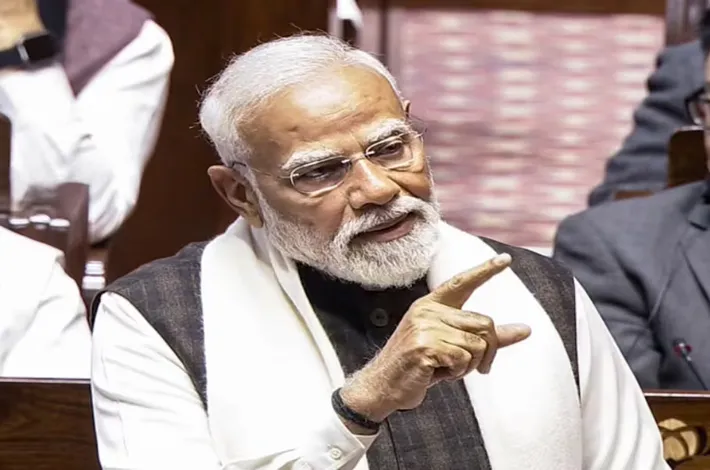
The government is taking a comprehensive approach to tackle short-term, medium-term, and long-term consequences of the crisis
Narendra Modi
Prime Minister of India
Metro India News | new delhi
Prime Minister Narendra Modi on Tuesday announced the formation of seven empowered groups to deal with the potential long-term impact of the ongoing West Asia war. The groups will focus on critical areas including fuel, gas, fertilisers, supply chains, and inflation, and will develop strategies to ensure India remains resilient amid the crisis.
Addressing the Rajya Sabha, Modi flagged the serious challenges the conflict poses for India, particularly in the supply of crude oil, natural gas, and essential commodities. Drawing a parallel with India’s response during the COVID-19 pandemic, he said the new empowered groups will function like the expert teams formed earlier to manage complex situations.
“The government is taking a comprehensive approach to tackle short-term, medium-term, and long-term consequences of the crisis,” he said, emphasizing that self-reliance remains the only sustainable solution. He urged citizens to remain prepared for all eventualities and called upon state governments to work with the Centre in a ‘Team India’ approach.
The Prime Minister highlighted that the war has triggered a global energy crisis and warned authorities to prevent black marketing and hoarding of essential commodities. He assured that efforts are underway to secure crude oil and gas from all available sources, ensuring that ordinary citizens are not affected. Fertiliser supply is also being monitored closely, he added, assuring farmers that no additional burden would fall on them.
Modi also outlined measures to protect the welfare of around one crore Indians working in the Gulf region. So far, approximately 3,75,000 Indians have returned safely, including around 1,000 from Iran. The Prime Minister stressed that the government is making every effort to ensure safe passage for Indian ships and maintain access to critical waterways such as the Strait of Hormuz.
He called on state governments to ensure the timely distribution of benefits under the PM Garib Kalyan Anna Yojana, particularly for the poor, labourers, and migrant workers, who are most affected during crises. Special monitoring mechanisms and swift action against hoarding and black marketing were also urged.
Invoking cooperative federalism, Modi stressed the importance of maintaining India’s growth trajectory despite external challenges. He recalled the seamless collaboration between the Centre and states during the COVID-19 pandemic, which helped with testing, vaccination, and the supply of essentials, and urged the same spirit to guide the country now.
“Through collective effort, we will be able to face this global crisis effectively. Patience, restraint, and a calm mind are essential as we navigate these unprecedented challenges,” he said, emphasizing India’s commitment to dialogue and diplomacy as the path to restoring peace in West Asia.
The Prime Minister concluded by stressing that the government is vigilant, prepared, and prioritizing the welfare of the people, while actively working to mitigate the war’s impact on the nation and its citizens abroad.