24 August, 2026 | 3:42 AM


‘From disenfranchisement to majoritarian rule’
08-07-2026 12:00:00 AM
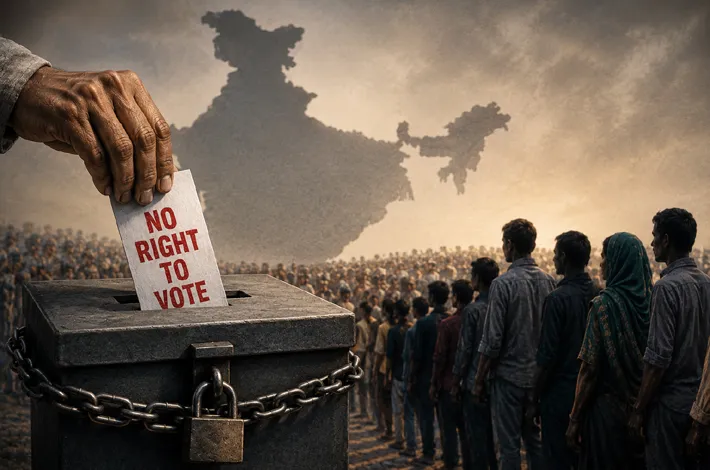
The consequences of the Special Intensive Revision (SIR) extend far beyond elections. Once millions of people lose their right to vote, the very nature of citizenship begins to change. Public discourse has largely reduced the issue to electoral arithmetic, with political parties and sections of the media focusing only on who gains and who loses politically, while ignoring the rights of those who have been disenfranchised.
In my interactions with political leaders in states where SIR has been implemented, many argued that the deletions would not affect their electoral prospects because those removed from the rolls were either not their supporters or were too few in number to change the outcome. Such an approach overlooks the fact that every eligible citizen has an equal right to vote, irrespective of political affiliation.
Once elections are over, the issue of deleted voters disappears from public discussion. Yet, the numbers are staggering. Around 80 lakh voters have reportedly been deleted in Bihar, 93 lakh in West Bengal, 97 lakh in Tamil Nadu, 2.83 crore in Uttar Pradesh, 77 lakh in Gujarat, 45 lakh in Madhya Pradesh, 44 lakh in Rajasthan and 28 lakh in Chhattisgarh. In West Bengal alone, nearly 28 lakh people were allegedly unable to vote despite not being declared ineligible.
If this process continues, India will effectively have two classes of people—those with voting rights and those without. Those excluded from the electoral rolls will gradually lose political relevance because elected representatives naturally respond to those who can influence election outcomes. At the current pace, nearly six crore voters have already been removed, and if SIR is implemented nationwide, the figure could eventually reach about 16 crore people.
Such a transformation would fundamentally alter Indian democracy. Instead of voters deciding who forms the government, governments would increasingly determine who qualifies to be a voter. This would reshape political incentives and compel every political party to focus only on those who remain within the electorate.
Over time, repeated SIR exercises could produce a political system in which all parties adopt similar majoritarian positions in order to remain electorally competitive. This is what I describe as the "BJP-isation" of political parties. Alongside this, the increasing use of Hindu religious symbols and references in state institutions reflects what I believe is the gradual "Israel-isation" of India's political culture.
The combined effect of these developments threatens the constitutional vision of a secular, plural and inclusive India. SIR, in my view, is not merely an electoral revision exercise but a significant step in a broader political transformation that could redefine the character of the Indian Republic.
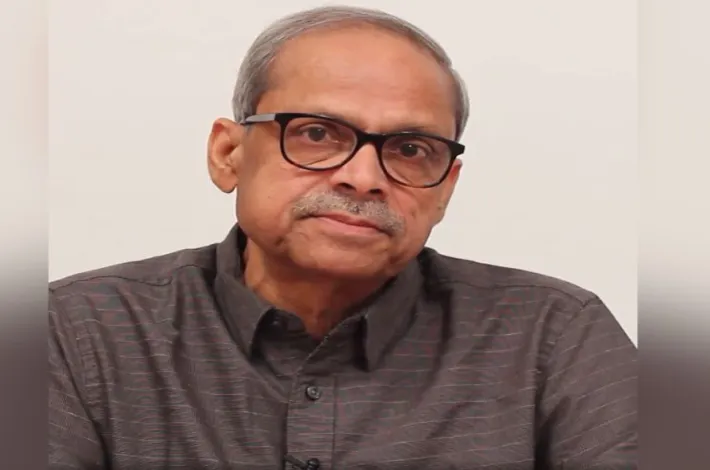
- Parakala Prabhakar, Economist and political commentator