9 July, 2026 | 1:46 AM


Bridging the trust deficit across India’s life insurance market
04-04-2026 12:00:00 AM
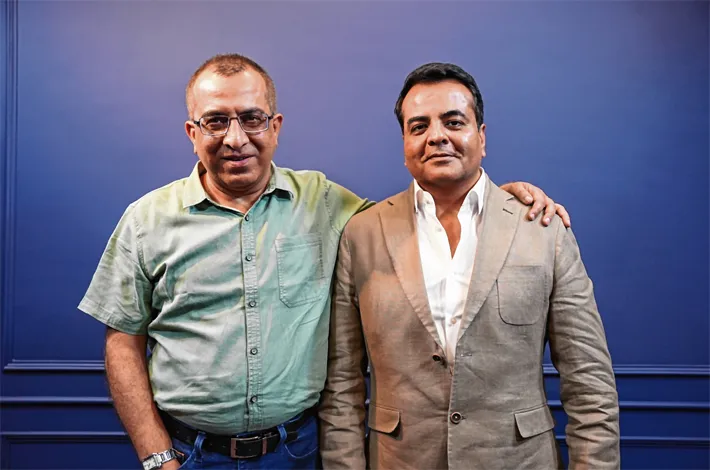
In a conversation on Simple Hai!, Vivek Law spoke with Satishwar B, CEO and MD, Bandhan Life, about why life insurance is no longer optional. The core message is simple but powerful: before building wealth, individuals must protect it. Insurance is not an investment choice but a necessary financial safeguard.
In a world where uncertainty is the only constant, the financial conversation in Indian households is quietly shifting. The pandemic may have triggered urgency, but rising healthcare costs are sustaining it. Medical inflation, coupled with the increasing incidence of critical illnesses, is putting pressure on household finances like never before.
The reality is stark. If something happens to the primary breadwinner, the emotional loss is irreplaceable. But financial disruption can still be avoided. Life insurance ensures that families can maintain their standard of living, manage liabilities, and secure long-term goals like education. It allows dependents the space to cope without the added burden of financial stress. In that sense, insurance is less about returns and more about resilience.
How life insurance is being simplified for Indians
For decades, life insurance in India has suffered from one major drawback: complexity. Lengthy paperwork, confusing products, and unclear processes often discouraged first-time buyers. That is now changing, driven by digital innovation and a sharper focus on customer experience.
Satishwar highlighted how the journey has been simplified significantly.
From onboarding to verification, processes like Know Your Customer have become seamless. Digital infrastructure now enables quicker approvals, reduced documentation, and a smoother purchase experience.
What once felt like a cumbersome process is increasingly becoming as easy as any online financial transaction.
More importantly, the product itself is being reframed in simpler terms. Term insurance, often considered the purest form of life insurance, is positioned as an income replacement tool. The logic is straightforward. If an individual earns ₹6 lakh annually, a typical life cover would be around ₹1 crore. This is based on income multiples, which vary by age. Younger individuals may receive a higher multiple, reflecting their future earning potential, while older individuals may receive a more conservative estimate.
This combination of financial and medical underwriting ensures that coverage remains realistic. It is a scientific approach designed to balance affordability with adequate protection. The simplification of both product and process is critical in expanding insurance adoption across India.
Term life as income replacement
One of the most practical takeaways from the conversation is the framing of term insurance as a direct substitute for lost income. Rather than viewing it as an abstract financial product, it is positioned as a continuity tool for the household.
Satishwar explained that life cover is calculated as a multiple of annual income. For someone earning ₹6 lakh per year, the cover typically ranges around ₹1 crore to ₹1.25 crore.
For younger individuals, this multiplier can be significantly higher, sometimes going up to 40 times income, because their earning potential is expected to grow over time.
For individuals closer to mid-career, the multiplier tends to stabilise around 20 times income.
This approach ensures that the family continues to receive a financial stream even in the absence of the breadwinner. It helps cover everyday expenses, loan obligations, and long-term commitments. The idea is not wealth creation but income continuity.
What makes this even more compelling is the affordability. For many individuals, such coverage can be secured at a relatively low monthly premium, making it accessible across income segments. The earlier one starts, the lower the premium remains, as policies are typically structured with fixed costs over long durations. This reinforces the importance of entering the system early rather than delaying the decision.
Fighting the distrust against life insurance
Despite improvements in accessibility and affordability, one major challenge continues to shadow the insurance industry: trust. For years, consumers have been wary of claim rejections and perceived lack of transparency.
Satishwar addressed this concern directly, pointing out that most claim disputes arise from incomplete or incorrect disclosure at the time of purchase. Customers often overlook basic health details or delegate form-filling entirely to agents, leading to discrepancies later.
The solution, he emphasised, lies in awareness and responsibility. Customers must take ownership of their applications, ensure that all information is accurate, and review key details before submission. Simple actions like correctly answering health-related questions can significantly reduce the risk of claim rejection. Regulatory changes have also strengthened consumer protection. There are now defined timelines beyond which claims cannot be contested, provided there is no fraud. Additionally, insurers are working to simplify communication with concise policy summaries and post-purchase confirmations.
The larger shift, however, is cultural. Insurance must move away from being seen as a forced purchase to being recognised as a financial essential. When understood correctly and used responsibly, it delivers exactly what it promises: financial security in moments when it is needed the most.