9 July, 2026 | 6:01 AM


Biomarker testing introduced in Uddanam
15-04-2026 12:00:00 AM
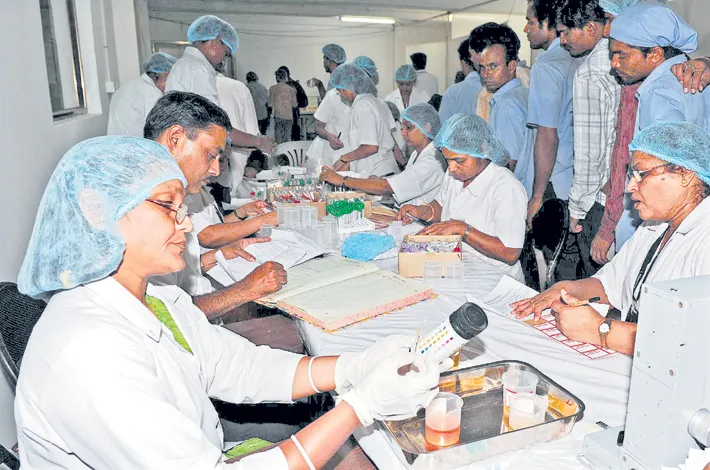
Biomarker testing to detect early signs of kidney disease among residents of the region
Metro India News | AMARAVATI
In a significant step towards addressing the long-standing public health crisis in Uddanam, the Andhra Pradesh government has initiated an advanced research programme using biomarker testing to detect early signs of kidney disease among residents of the region. For the first time, scientists are deploying biomarker-based urine analysis to assess the likelihood of kidney disorders developing over the next three to four years.
The initiative, currently underway in Srikakulam district’s Uddanam belt, an area historically plagued by chronic kidney disease of unknown origin (CKDu), involves large-scale collection of blood and urine samples from local populations. A dedicated research team comprising scientists and technical experts has already begun field visits and sample collection.
“This is a crucial scientific intervention aimed at identifying kidney disease at a very early stage. Biomarker testing will help us predict disease risk years in advance and enable preventive care,” said Kranthi, a senior official associated with the project, adding that the government is committed to delivering long-term relief to affected communities.
A state-of-the-art laboratory has been established at King George Hospital (KGH) in Visakhapatnam to process and analyse the samples. The facility has been equipped with advanced instruments including centrifuges, deep freezers, sample storage systems, and analytical devices, all installed in compliance with biosafety standards. Officials said nearly ₹80 lakh has been invested in procuring high-end equipment for the lab.
Samples collected from Uddanam are initially stored at the kidney research centre in Palasa before being transported under controlled conditions to the KGH laboratory for detailed analysis.So far, around 1,500 samples have been collected from residents, along with detailed responses through structured questionnaires capturing lifestyle, occupational exposure, and family medical history.
The research has received formal approval and financial backing from the Indian Council of Medical Research (ICMR), which sanctioned a grant of ₹6.2 crore for a three-year study under its Department of Health Research. The approval reportedly came following intervention by State Health Minister Satyakumar Yadav.
According to the research team, biomarker-based testing can detect subtle biological changes that indicate a person’s susceptibility to kidney disease well before clinical symptoms appear. By analysing urine samples through this method, scientists can estimate whether an individual is at risk of developing kidney disease within the next few years and assess the potential severity.
“This is the first time such large-scale biomarker testing is being conducted among kidney-vulnerable populations in Uddanam. It allows us to identify high-risk individuals early and guide them towards preventive treatment,” said Prof. Raviraj and Dr. Prasad in a joint briefing.
Officials noted that earlier research efforts initiated during the 2014–19 period had slowed down due to administrative lapses in the subsequent government. The project, originally assigned to an international research institute, could not progress as planned.
However, with renewed political focus under the current administration, the research has regained momentum. Minister Satyakumar Yadav, who was recently briefed by the research team, directed officials to accelerate the study and ensure that tangible relief measures reach affected communities.
“The government expects time-bound, result-oriented outcomes from this research. The ultimate goal is to identify root causes and protect future generations from this debilitating disease,” the Minister said during the review meeting.