3 May, 2026 | 4:34 AM


Beware of fake ‘Gas Leak’ claims in AC servicing
03-03-2026 12:00:00 AM
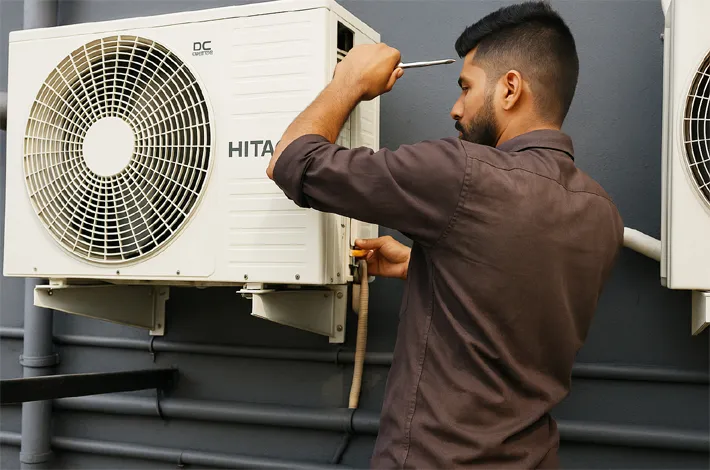
Hyderabad: Consumers usually get the air-conditioners cleaned as summer approaches and more often than not, technicians take them for a ride by falsely claim a ‘gas leak’. Consumer protection bodies, including the Central Consumer Protection Authority (CCPA), have repeatedly highlighted the issue and urged customers to demand clear evidence before agreeing to any service. “Always ask the technician to display the pressure reading on the gauge and explain the leak in detail. Do not authorize refills without verification,” said a spokesperson from the authority.
Such scams often exploit homeowners’ lack of technical knowledge. Many technicians rely on fear tactics, warning that a system may fail completely if the alleged leak is not addressed immediately. Modern air conditioners maintain refrigerant levels well within safe limits, and unnecessary top-ups can damage the system or result in recurring costs.
Experts advise a few simple precautions to protect against fraud. First, familiarize yourself with basic AC pressure checks and understand how your system operates. Homeowners can even take pictures of the gauge reading or request the technician to explain the values verbally. Second, seek a second opinion from a certified service provider if unsure.
Public awareness campaigns have proven effective in curbing such scams. The CCPA and consumer forums share advisories during peak summer months, emphasizing that homeowners must verify technical proof such as pressure levels before authorizing payments. The rising awareness around AC gas leak scams underscores the importance of vigilance and technical literacy among consumers.
Technicians caught inflating claims can face penalties under consumer protection laws, but enforcement often relies on prompt complaints from victims. Therefore, experts recommend keeping all service receipts, noting the technician’s name, and reporting any suspicious activity to local consumer forums or online portals.
With AC demand surging, scams are likely to increase, making proactive verification crucial. By asking for transparent readings, educating themselves about normal refrigerant levels, and understanding common AC operations, customers can avoid overcharging and protecting both their systems and finances. Simple awareness, coupled with documentation and reporting, can make the difference between a smooth summer and a costly repair ordeal.