1 July, 2026 | 11:06 AM


W Asia crisis poses challenges to the Indian economy: RBI
23-04-2026 12:00:00 AM
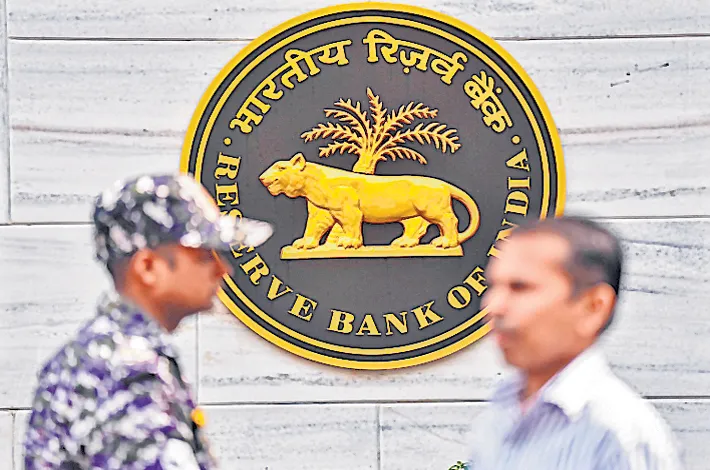
MPC MINUTES | Inflation, war weighed on RBI panel's decision on interest rate
New Delhi
Members of the Reserve Bank of India (RBI) rate-setting panel voted for the status quo on interest rates earlier this month, citing uncertainties posed by the West Asia crisis and its impact on inflation, according to minutes of the Monetary Policy Committee (MPC) released on Wednesday.
Governor Sanjay Malhotra opined that the West Asia conflict poses challenges to the Indian economy through a number of channels, including exports, supply of critical commodities, elevated energy and other commodity prices, remittances, uncertainty and subdued global demand. Overall, geopolitical uncertainties have intensified with the conflict widening its spread over the last month, he said.
As a result, supply chain disruptions, which may take longer to subside fully and restore the logistics network, pose downside risks to growth and upside risks to inflation. "As for monetary policy, this represents a supply shock. The underlying inflation pressures, minus the shock, are contained. If the conflict remains unresolved for a long duration, it can make the task of central banks arduous in their endeavour to rein in inflation expectations while minimising growth sacrifice," the minutes quoted Malhotra as saying.
Following the three-day meeting, the MPC kept its key policy rate unchanged on April 8, adopting a cautious wait-and-watch stance as policymakers assessed the fallout from the six-week Iran conflict on energy supplies, inflation and growth. The central bank's six-member MPC voted unanimously to keep the benchmark repurchase rate at 5.25%, flagging heightened uncertainty after the West Asia conflict drove crude prices sharply higher, a weak rupee and disrupted trade flows. The policy stance was retained at neutral.
Short-term fluctuations, including FDI outflows closely monitored: Guv
Short-term fluctuations, including net FDI outflows and exchange rate movements, are cyclical in nature and are being closely monitored, RBI Governor Sanjay Malhotra said. He was speaking at a round-table hosted by Consulate General of India in New York on Monday. A press release was issued the next day. Malhotra highlighted the ongoing reforms to simplify regulatory frameworks, enhance ease of doing business, expand market access for foreign investors, and further integrate onshore and offshore markets.