30 September, 2026 | 3:21 AM


Threat to Democracy
30-09-2026 12:00:00 AM
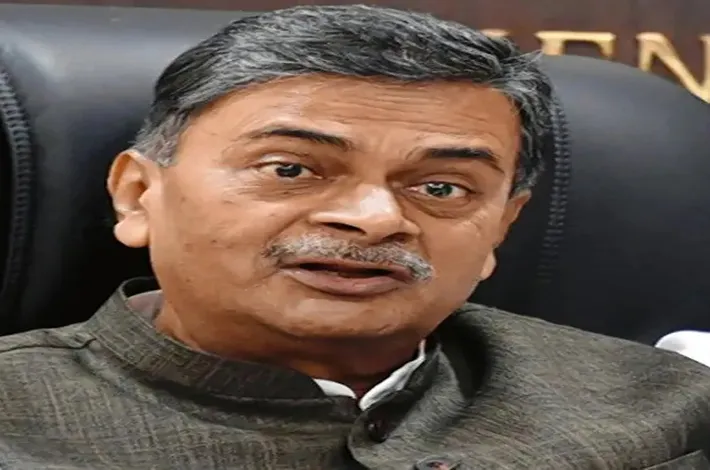
Former Union Minister RK Singh Accuses Election Commission of Illegal Voter Roll Purge
Former Union Power Minister and retired IAS officer R.K. Singh has accused Chief Election Commissioner Gyanesh Kumar and the Election Commission of India (ECI) of violating electoral laws through the ongoing Special Intensive Revision (SIR) of voter rolls.
In an open letter, Singh claimed around 13 crore names had been left out of draft rolls, amounting to about 13 per cent of the electorate. He argued that such a large-scale change could have electoral consequences, citing the narrow gap between the NDA and INDIA blocs in the 2024 Lok Sabha elections. The figure refers to names absent from draft rolls and does not by itself establish permanent or unlawful deletion of eligible voters.
Singh alleged violations of Sections 21 and 22 of the Representation of the People Act, 1950. He argued that special revision was intended for exceptional circumstances and questioned the legal basis for conducting it nationwide. He also alleged that revised rolls containing deletions were used while appeals remained pending.
Under Section 22, Singh said, only the Electoral Registration Officer (ERO) can remove a voter’s name after an enquiry and an opportunity to be heard. He alleged that voters enrolled after 2003 were removed without proper enquiry or show-cause notices and were then required to reapply through Form 6 and establish their eligibility. He cited the Supreme Court’s ruling in Lal Babu Hussain to argue that the burden of proof should not be shifted to voters.
Singh also criticised an appendix added to Form 6 requiring applicants to provide their parents’ serial numbers in the 2003 electoral rolls. He alleged the change lacked statutory authority and could create difficulties for young voters. He questioned the processing of bulk Form 7 objections, alleging that objectors did not always appear in person.
Referring to West Bengal, Singh claimed around 16 lakh voters whose inclusion had been upheld by EROs were kept off the rolls following appeals filed in the Commission’s name. He also questioned the authority under which the appeals were filed. Another issue raised was the criterion of “logical discrepancy”, under which an age gap of less than 15 years between a parent and child could trigger exclusion. Singh argued that such a criterion could disproportionately affect poor families without formal birth records.
He alleged that the revision would particularly affect poor people, migrants and disadvantaged sections who may find it difficult to return to their places of residence to complete verification. He also questioned the centralisation of electoral data, alleging that it could undermine the statutory role of EROs. Singh criticised the Supreme Court’s handling of the SIR case and urged Opposition parties to boycott elections until the CEC and Election Commissioners resign. He also called for criminal cases instead of impeachment, a return to paper ballots and review of elections conducted while appeals were pending.
The allegations in Singh’s letter have not been judicially established. The ECI has not issued an immediate detailed response to all the specific legal claims raised by him.