14 September, 2026 | 7:31 PM


Rupee downfall continues, attributed to pan-Asian decline
14-03-2026 12:00:00 AM
Metro India News | DELHI
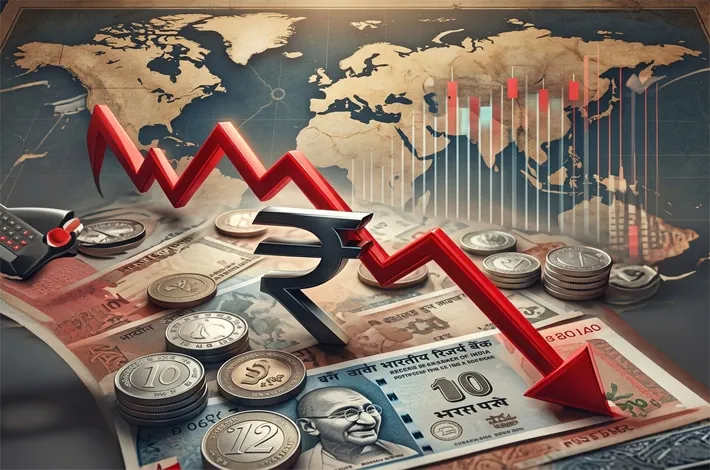
The Indian rupee continued its downward slide, hitting another fresh record low around 92.4 against the US dollar amid persistent pressure from surging global crude oil prices, which have climbed to $100 per barrel, and a strengthening US dollar index hovering near 100.Market participants described the movement as part of a broader pan-Asian weakness in emerging market currencies, with similar declines of about 0.25% observed in peers like the Malaysian ringgit, Philippine peso, and Thai baht over recent days.
The reported spot rate of around 92.4 understates the true market pressure, as the Reserve Bank of India (RBI) has been actively intervening by selling dollars generously to curb volatility and smooth the decline. Without this support, market chatter suggests the rupee could be trading significantly higher. Traders estimate the RBI has been averaging substantial dollar sales in recent days—potentially around $5 million or more daily—not limited to the spot market but including forward positions.
Maturing forwards from the non-deliverable forward (NDF) market have also contributed to additional dollar demand on settlement days. Concerns are mounting among economists and market watchers as the Middle East conflict enters its third week. Initial assumptions of a short-lived war are being revised, with fears that even if hostilities end soon, port congestion, refinery restarts, and normalized shipping could take considerable time to restore. This has shifted baseline expectations for next year's crude prices from around $65 per barrel to more realistic levels of $80–$90, no longer seen as extreme.
Such a sustained higher oil environment would significantly alter India's macroeconomic outlook. The current account deficit, previously projected to stay under 1% of GDP, could widen to close to 2% or beyond next fiscal year. Bridging this gap through capital inflows has become challenging, as foreign portfolio and direct investment flows have remained negative or subdued throughout the year. This funding constraint heightens worries over balance of payments pressures and further rupee depreciation.
The escalating geopolitical risks, combined with oil's outsized impact on India's import bill, inflation trajectory, and growth prospects, continue to weigh heavily on sentiment. While RBI interventions have provided a buffer against sharper falls, prolonged disruptions in global energy markets could test the limits of such support and force broader economic adjustments.