24 August, 2026 | 9:20 PM


Reach out to Hindus
21-06-2026 12:00:00 AM
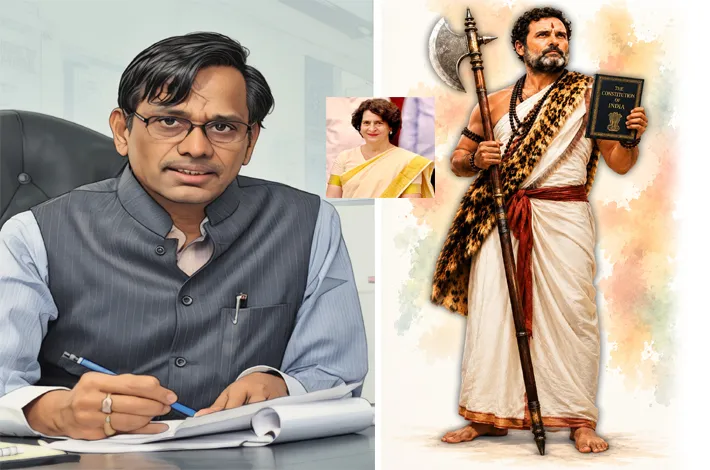
Rahul Gandhi at 56
Can Congress’ ‘Next PM’ dream come true?
By reaching out to Hindus, refraining from extra appeasement of Muslims, avoiding businessmen as advisors and have clarity on national and international issues would do good for the party and his candidature
Road to Revival
- Keep advisors among the leaders who are elected as the public representatives
- Avoid Businessmen, corrupt persons as politicians as they would come under the pressure of the ED, CBI, IT
- Have a clear policies on national and international issues
- Stop extra appeasement of the Muslims
As Rahul Gandhi celebrated his 56th birthday on June 19, 2026, sections of Congress workers erupted in familiar chants: “Rahul Next P.M.” and “Desh ka PM kaisa ho? Rahul Gandhi jaisa ho!” The slogans echoed through party gatherings, reflecting lingering hope in the Nehru-Gandhi scion as the face of a potential revival.
Still, as one internal voice captured in a widely circulated note by Parush Ram argues, mere sloganeering will not propel the party back to power. Turning Rahul into India’s Prime Minister demands a radical overhaul of strategy, organization, and outreach— parti- cularly toward the Hindu majority that forms roughly 80% of the population.
Congress finds itself in a paradoxical position. After the 2024 Lok Sabha elections, the party improved its tally to around 99 seats and secured the Leader of Opposition role for Rahul, breaking a long drought. It has maintained pressure on issues like caste census, education reforms, and governance through yatras and parliamentary interventions. However, the BJP continues to dominate nationally, and Congress struggles with organizational atrophy, perceptions of dynastic entitlement, and regional weaknesses, especially in the Hindi heartland. Without decisive action, the warning in the note rings true: continued drift could accelerate the “Congress-mukt Bharat” narrative and erode even the LoP position.
Core challenges and prescriptions
The note’s central thesis is blunt: slogans alone cannot counter the BJP’s organizational machine and cultural appeal. Key recommendations focus on bridging the cultural disconnect with Hindu voters. Suggestions include undertaking a “Ganga Parikrama yatra,” engaging with Shankaracharyas and spiritual leaders, visiting major temples including the Ram Mandir and Jyotirlingas, and shedding the “anti-Hindu” brand. Analysts have long noted Congress’s vulnerability on this front, where overt or perceived minority appeasement has alienated large sections of the majority community. The advice is clear—stop “extra appeasement of Muslims” and respect organizations like the RSS while appreciating positive initiatives by BJP governments. This pragmatic outreach could help reclaim space without abandoning secular principles.
Leadership and organizational renewal form another pillar. The note urges retiring leaders above 80, elevating younger faces, and restructuring the All India Congress Committee (AICC). It specifically recommends North Indian leaders like Sachin Pilot for prominent roles, possibly as AICC president, alongside making Priyanka Gandhi Vadra a Vice President in charge of the South, with three or four VPs total. Revamping the Congress Working Committee (CWC) with more youth and women, implementing internal democracy in frontal organizations, and grooming articulate, honest young leaders are emphasized. Training cadres on Congress philosophy and national issues would address the current vacuum in ideological clarity.
Grassroots rebuilding is non-negotiable. The party must “build Congress from the grassroots in all states,” reduce reliance on alliances with regional parties, and demonstrate model governance in states it rules—outperforming BJP administrations in delivery. Ticket distribution should favor dynamic, ideological, and honest candidates to curb defections, while keeping businessmen and those under investigation at arm’s length. Advisors should primarily be elected representatives with grassroots credibility.
Economic and social signaling matters too. A strong nine-point agenda for the country, street agitations on public issues, support for the women’s reservation bill, and its implementation within the party and governments are highlighted. Digital outreach to youth and women, coupled with reduced “childish activities” and mature, consistent positioning, could reshape the party’s image. The note also cautions against criticizing the government excessively on foreign soil, urging self-belief in Rahul’s capacity to lead.
Feasibility and political realism
Implementing this blueprint faces steep hurdles. Congress’s federal structure and entrenched interests make retiring veterans or reducing alliances difficult—regional satraps often prioritize local compulsions. The dynasty question persists; while Rahul has stepped back from formal presidency at times, the family’s centrality remains a double-edged sword—providing continuity but inviting attacks. Priyanka’s potential elevation could energize the base but risks reinforcing perceptions of family dominance.
Culturally repositioning the party requires nuance. Outreach to temples and gurus must avoid alienating minorities or appearing opportunistic. Congress has historically balanced pluralism, but in an era of majoritarian politics, recalibrating without diluting core values is delicate. Success stories in southern states, where Congress has shown resilience, offer models, yet replicating them in the North demands North Indian leadership and sustained Hindutva-softening efforts.
Corruption clean-up and internal democracy are perennial promises across parties but hard to deliver amid competitive pressures. Demonstrating superior governance in states like Karnataka, Telangana requires tangible results on jobs, welfare, and law and order—areas where BJP has set benchmarks in several states.
If executed with discipline, the note claims Rahul could be Prime Minister at the age of 64, with a decade of leadership ahead. Eight years of consistent work—building cadre, winning state elections, forging a credible national alternative—could position Congress strongly for 2029 or 2034. Rahul’s recent focus on youth issues, such as the “Chhatron Ki Goonj” campaign in Kota on exam reforms, shows potential to connect with Gen Z.
The road ahead
The workers’ note is both a rallying cry and a reality check. Rahul Gandhi possesses name recognition, parliamentary experience as LoP, and a track record of mass outreach via Bharat Jodo Yatra and similar efforts. His evolution as a more assertive leader is visible. Yet, translating personal popularity and worker enthusiasm into electoral victories requires dismantling decades of organizational decay, cultural missteps, and strategic complacency.
Indian politics rewards adaptability. The BJP’s rise stemmed from ideology, organization, and narrative control. Congress’s revival hinges on mirroring that discipline while offering a distinct, inclusive vision. Whether Rahul at 56 can orchestrate this transformation—or whether the chants remain aspirational—will define not just his legacy but the future of India’s oldest political party. The coming years of state polls and organizational churn will be the litmus test. Without ground-level action, as the note warns, the slogans may fade, leaving Congress further marginalized.
Priyanka’s Potential
Priyanka Gandhi Vadra’s potential elevation within the Congress could provide a significant boost to the party’s morale and grassroots enthusiasm. Among many Congress workers, she remains one of the party’s most recognisable campaigners, capable of drawing crowds and connecting with voters through her communication skills and political messaging. At a time when the party is striving to regain lost ground and expand its electoral appeal, a larger role for Priyanka could inject fresh energy into the organisation and help galvanise cadres who are looking for renewed direction and leadership.
However, such a move also carries political risks. The Congress has long faced criticism from its opponents over its reliance on the Nehru-Gandhi family. Elevating Priyanka to a more prominent position could reinforce perceptions that the party remains dependent on dynastic leadership rather than cultivating a broader pool of leaders. Critics may argue that it undermines the party’s efforts to project internal democracy and merit-based advancement.
The challenge for the Congress, therefore, lies in balancing Priyanka Gandhi’s undeniable political appeal with the need to demonstrate organisational renewal. Her rise may energise supporters, but whether it strengthens the party’s long-term credibility will depend on how effectively Congress combines family leadership with wider leadership development and institutional reform.