27 September, 2026 | 2:30 PM


Opposition plans to impeach EC- How valid is it?
16-03-2026 12:00:00 AM
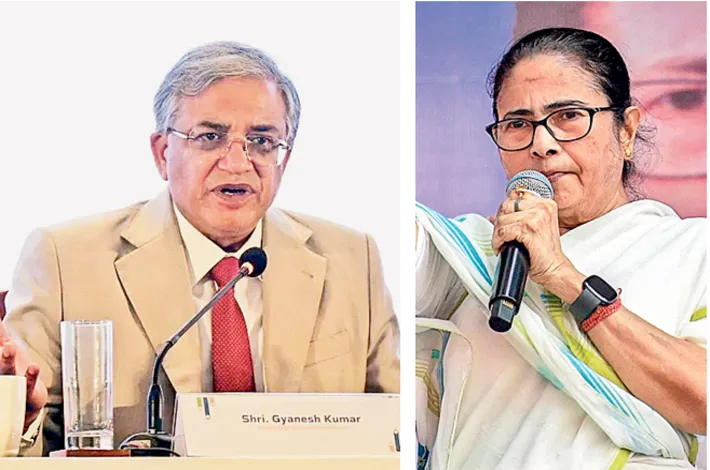
The opposition in India's Parliament has taken an unprecedented step by submitting a formal notice in both houses seeking the removal of Chief Election Commissioner (CEC) Gyanesh Kumar. This move, led primarily by the Trinamool Congress (TMC) under West Bengal Chief Minister Mamata Banerjee, marks the first time such a notice has been formally tabled against a sitting CEC. While past oppositions considered similar actions against former commissioners, those efforts never advanced to this stage.
The 10-page notice outlines seven specific charges against Gyanesh Kumar. These include allegations of discriminatory conduct in office, deliberate obstruction of investigations into electoral fraud, and a perceived bias favouring the ruling Bharatiya Janata Party (BJP), particularly in opposition strongholds. A key focus is the ongoing Special Intensive Revision (SIR) of electoral rolls in states like West Bengal and Bihar. Opposition parties, especially the TMC, claim the SIR is being weaponized to delete legitimate voters and provide an unfair advantage to the BJP ahead of upcoming assembly elections in West Bengal.
The controversy intensified following a February 2 meeting between a TMC delegation and the Election Commission, after which Mamata Banerjee accused the CEC of insulting and humiliating her representatives. The TMC is now considering releasing the transcript of that interaction to bolster its case. Opposition MPs signing the notice—totalling around 130 in the Lok Sabha and 63 in the Rajya Sabha—exceed the constitutional thresholds required (100 in Lok Sabha, 50 in Rajya Sabha) to initiate such a process, giving the motion symbolic weight even if its success remains uncertain given the opposition's limited numerical strength.
This development comes amid broader parliamentary tensions, including a recent no-confidence motion against the Lok Sabha Speaker. Critics view these actions as reflections of deep frustration with perceived institutional bias and unfairness in electoral processes. Supporters argue they highlight genuine concerns about the integrity of democratic institutions. However, skeptics question whether such dramatic gestures—while symbolically powerful—can lead to substantive change or merely escalate political confrontations without altering outcomes.
A TMC leader launched a strong attack on the CEC, calling him "Amit Shah's pet" and a "BJP stooge" tasked with manipulating the SIR to disenfranchise voters, particularly in West Bengal. He claimed the process illegally deleted names to benefit the BJP, leading to a "trust deficit" severe enough for the Supreme Court to intervene historically—appointing judicial officers to oversee the exercise. Dutta emphasized that the Supreme Court's actions validated opposition concerns, arguing that public perception in Bengal would see this not as mere political theatre but as a defence of constitutional rights, especially given reports of voter deaths and irregularities.
A senior journalist provided a more nuanced view, noting that Mamata Banerjee had aggressively protested the SIR from the outset, elevating it to a national issue via the Supreme Court. He highlighted emerging opposition unity on this matter—despite recent differences between TMC and Congress on other issues like the Speaker motion—as a sign that the handling of the SIR had consolidated anti-EC sentiment. He acknowledged that personal attacks on constitutional authorities are rare but not unprecedented (citing past moves against former CEC T.N. Seshan), yet stressed that the charges target the individual's alleged misuse of the institution, jeopardizing electoral democracy.
BJP defended the CEC and dismissed the motion as politically motivated rather than genuine. He argued that the opposition, particularly TMC, fears the SIR's revelations about the true state of electoral rolls—potentially exposing inflated or ineligible voters. The party leaders pointed out that the entire SIR process in West Bengal operates under Supreme Court supervision, with judicial officers involved, negating claims of bias. They accused Mamata Banerjee of using the impeachment threat as a face-saving tactic ahead of likely electoral losses, suggesting it aims to preemptively blame the CEC for any defeat.
The debate grew heated, with cross-accusations flying: the TMC challenged why the BJP repeatedly defended the EC in press conferences, implying closeness, while the BJP countered that opposition protests protect specific ineligible groups and that the process ensures only eligible voters remain. Sustained strategies that reinforce public trust in institutions like the Election Commission—and uphold democratic principles amid tight election timelines—will determine whether this confrontation strengthens or undermines India's electoral integrity.