24 August, 2026 | 8:08 PM


Krishna lifeline under fresh threat
22-06-2026 12:00:00 AM
metro india news I hyderabad
Concerns are mounting in Telangana over the future availability of Krishna river waters as Karnataka accelerates a series of major irrigation and storage projects on the Krishna, Tungabhadra and Bhima rivers. Water resource experts warn that the cumulative impact of these projects could affect downstream flows and pose challenges to Telangana’s irrigation and drinking water requirements, particularly in southern parts of the state.
Among the projects drawing attention are the proposed expansion of the Navali Reservoir, the increase in the height of the Almatti Dam, the Upper Bhadra project and several new barrages and storage structures planned across river systems in Karnataka. Experts believe these initiatives could substantially enhance Karnataka’s ability to store and utilize water upstream, potentially reducing the volume of water reaching downstream states.
Telangana is heavily dependent on Krishna waters for both agriculture and drinking water needs. Irrigation projects serving the erstwhile Mahabubnagar district and other parts of southern Telangana, including Kalwakurthy, Nettempadu, Bhima and Koilsagar, rely on water availability from the Srisailam reservoir. Any reduction in inflows into the Krishna basin could directly affect these schemes and the regions they serve.
The expansion of the Navali Reservoir has emerged as a key point of concern. Karnataka has cited silt accumulation in the Tungabhadra Dam, declining storage capacity and changing flood patterns as reasons for strengthening the reservoir. The state plans to use Navali as a balancing reservoir to ensure maximum utilization of its allocated share of river waters. Telangana irrigation experts, however, caution that increased upstream storage could gradually reduce flows into the Tungabhadra and Krishna rivers, impacting downstream users.
Experts also point to the combined effect of multiple barrages and reservoirs proposed across the Krishna, Tungabhadra and Bhima river systems. While each project may appear limited in scale individually, together they could significantly alter river flows and increase water consumption in upstream areas. Proposed structures near the Krishna basin’s upper reaches are being closely watched for their potential impact on downstream allocations.
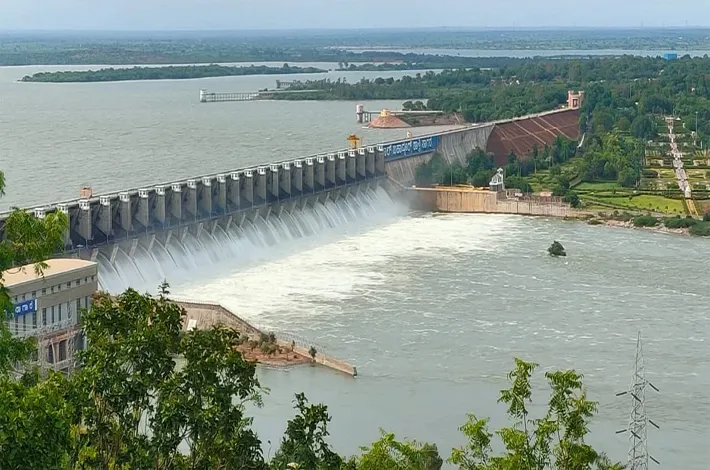
The proposal to raise the height of the Almatti Dam remains another major concern for Telangana. Karnataka is reportedly moving ahead with plans to enhance the reservoir’s storage capacity and is prepared to undertake large-scale land acquisition and invest substantial funds to achieve the objective. Telangana stakeholders fear that additional storage at Almatti could result in greater water retention upstream, affecting inflows into key reservoirs such as Srisailam and Nagarjuna Sagar, particularly during drought years.
At the same time, concerns are not limited to Karnataka alone. Andhra Pradesh has also proposed several projects aimed at utilizing flood waters. With both neighbouring states pursuing measures to maximize water use, questions are being raised about how effectively Telangana is safeguarding its own interests and water entitlements.
The Telangana government’s response to Karnataka’s latest proposals has come under criticism from opposition parties. They argue that despite the rapid progress of projects such as the Navali expansion, Almatti height increase and new barrages, the state government has not publicly voiced strong objections. Opposition leaders have recalled that the previous BRS government had maintained that no expansion works should be allowed until the final award of the Krishna Water Disputes Tribunal was implemented. The former government had also written to the Centre and the Krishna River Management Board (KRMB) on multiple occasions seeking intervention.
Critics now allege that the present government is relying more on consultations, discussions and joint committees rather than taking a firm stand. Some opposition leaders have further claimed that the Congress government in Telangana is adopting a softer approach because Karnataka is also governed by Congress. Meetings and discussions between leaders of the two states have added to such allegations.
Water resource specialists, however, stress that the issue extends beyond politics. They argue that Telangana’s long-term water security, agricultural sustainability and drinking water supply are closely linked to developments in the Krishna basin. As climate change, erratic rainfall and increasing demand place greater pressure on river resources, they say the state must strengthen its technical, legal and administrative efforts to protect its rightful share of water.
Experts have urged the Telangana government to closely scrutinize every proposed project in Karnataka and take timely action wherever state interests could be affected. They warn that the ongoing developments are not merely an inter-state dispute but a matter that could shape Telangana’s future water security, irrigation potential and regional development for decades to come. The manner in which the state responds to these challenges, they say, will play a crucial role in determining the future of Krishna waters in Telangana.