27 September, 2026 | 4:00 AM


Is IPL eroding traditional cricket?
27-03-2026 12:00:00 AM
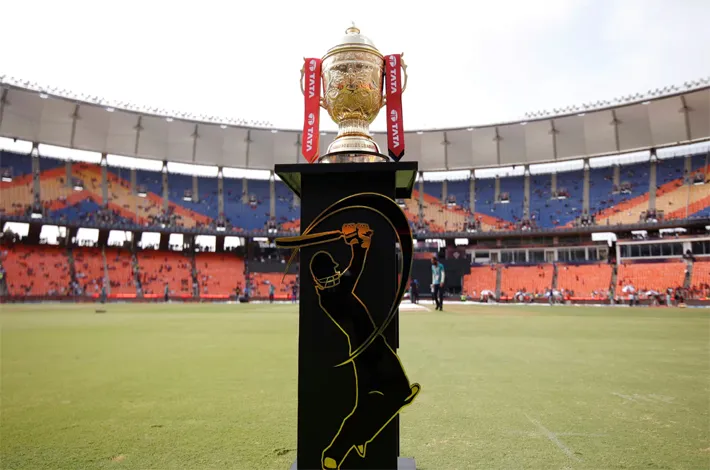
The Indian Premier League has revolutionized cricket’s commercial landscape. Once a domestic T20 tournament launched in 2008, the IPL has morphed into a financial juggernaut where franchises now sell for well over a billion dollars. Recent deals—Royal Challengers Bengaluru fetching around $1.78 billion and Rajasthan Royals $1.63 billion—highlight how global investors, media houses, and private equity firms treat IPL teams as premium assets rather than mere cricket sides.
Yet this explosive success has sparked an intense debate: is the IPL strengthening cricket overall, or is it quietly undermining the sport’s traditional, longer formats like Test matches and One-Day Internationals?
The shift is unmistakable. What began as entertainment has become a high-stakes business ecosystem dominated by balance sheets, media rights, and valuations. With media rights deals reaching Rs 48,000 crore and digital viewership surging, the IPL commands attention and revenue like never before. But critics argue this very dominance is reshaping player priorities, skills and the international calendar in ways that threaten the soul of cricket.
Former Indian cricketer Atul Wassan expressed optimism about cricket’s commercial growth but emphasized the emotional and intrinsic connection required. Recalling that Rajasthan Royals were bought for just $67 million in 2008—then considered overpriced—he noted how the Indian market has matured, with audiences willing to pay and advertisers flooding in. However, Wassan cautioned that even elite clubs in football, NBA, or American football rarely generate direct profits from team ownership. “You have to be a lover of the game,” he said, describing it as a “pride and joy” for billionaires, more valuation game than short-term cash flow play.
A sports entrepreneur took a more balanced view, agreeing that passion is essential but arguing that a billion-dollar investment must eventually deliver returns—whether through valuation appreciation, media rights, or operational profits. He highlighted cricket’s exploding popularity, improving media rights deals, and the potential for global expansion as key drivers that could help teams break even or turn profitable faster than expected.
A content strategist and data analytics expert echoed this bullishness, noting the IPL’s total asset valuation around $18.5 billion and strong fundamentals. He highlighted the shift toward digital media rights outpacing traditional TV, consolidation in broadcasting, and the potential for private equity players and media groups (like TOI and Aditya Birla) to leverage synergies across print, digital, and sports assets. He also saw long-term value in exploring IPOs for popular franchises, merchandise, and international expansion as cricket gains Olympic status and spreads to markets like the US and Canada.
Critics go further: many argue players now view IPL riches as their primary goal, treating international duty—especially demanding Test series—as secondary. Fatigue and workload management debates frequently surface. Players rest from national tours citing burnout, yet often remain available for the high-intensity IPL. Former captains and coaches have bluntly suggested that if fatigue is an issue, players should skip the league rather than Tests.
The format divide runs deep. T20 cricket, amplified by IPL innovations like the Impact Player rule, has produced record run rates and batting dominance—but at what cost? Bowlers struggle to develop the discipline needed for extended spells in Tests, while batsmen often lack the defensive technique and concentration required to survive sessions against quality attacks. Defenders counter that the IPL has democratized talent discovery, improved fitness standards, and injected money that benefits the entire ecosystem. It has popularized cricket globally and could indirectly support Tests by growing the fan base and generating resources for infrastructure. Proposals exist to create dedicated windows that separate IPL and international cricket, allowing better recovery and focus.
Whether the IPL ultimately harms or helps traditional cricket remains hotly debated. It has undeniably boosted skills in shorter formats, unearthed talent, and poured unprecedented money into the game. At the same time, concerns over player fatigue, skill imbalance, shifting loyalties, and calendar congestion cannot be ignored. The real challenge for administrators, players, and stakeholders is to harness the IPL’s financial might without allowing it to overshadow or erode the longer formats that define cricket’s rich heritage. Finding dedicated windows, protecting domestic cricket pathways, and ensuring balanced player workloads will be crucial.