8 July, 2026 | 5:27 PM


Inter first-yr students record highest pass percentage in 12 years
16-04-2026 12:00:00 AM
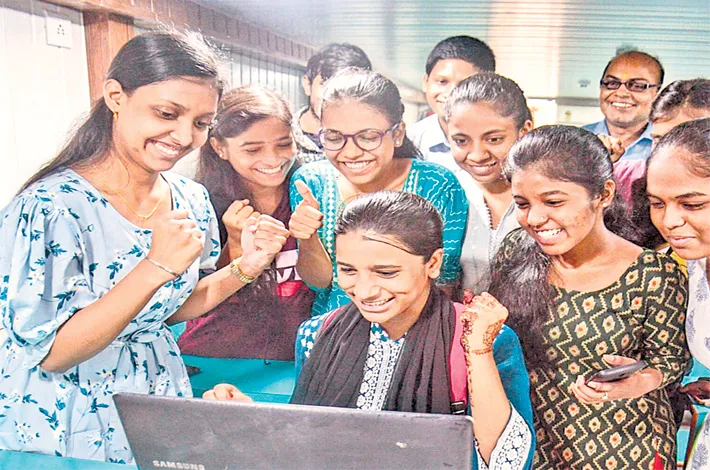
Andhra Pradesh Education Minister Nara Lokesh announced the 2025–26 Intermediate results, highlighting a record performance in the past 12 years. Around 10.5 lakh students appeared for the exams. First Year Pass Percentage: 77% (3,61,526 students) and Second Year Pass Percentage: 81% (3,59,816 students).
Girls outperformed boys once again, First Year: Boys 72%, Girls 81%, Second Year: Boys 76%, Girls 85%. In vocational courses, pass percentages stood at 61% (first year) and 74% (second year).
Government junior colleges also showed improvement, with 54% pass rate in first year and 68% in second year. The Minister credited students, principals, and lecturers for the achievement, calling it a result of collective effort and sustained reforms.
Metro India News | AMARAVATI
The first –year Intermediate students recorded a pass percentage of 77%, the highest in the past 12 years, while second-year students achieved an 81% pass rate, one of the best results in the same period in the CBSE Board examinations this year.
Government junior colleges, often under scrutiny for poor performance, also showed notable improvement, registering 66% pass percentage in first year and 76% in second year, both among the best in over a decade.
Education officials attribute this turnaround to a mix of welfare measures and academic reforms. One of the key initiatives was the extension of the Dokka Seethamma mid-day meal scheme to Intermediate students, ensuring better nutrition and attendance. Under the Sarvepalli Radhakrishnan Vidyarthi Mitra scheme, students received free textbooks, notebooks, competitive exam materials, and practical manuals, reducing financial burden and improving academic preparedness.
Administrative measures also played a crucial role. Vacant principal posts were filled through promotions, while guest faculty were appointed to ensure uninterrupted teaching. A structured academic calendar with unit tests, quarterly, half-yearly, and pre-final exams was implemented, all monitored through digital dashboards. Teachers’ performance was reviewed monthly based on student outcomes.
A focused 50-day programme, ‘Sankalpam-2026’, further strengthened learning outcomes. Students were categorised based on performance levels and given targeted support, with special study materials for weaker sections. Innovations such as the caretaker system, where each lecturer mentored a group of students, along with increased parental engagement and digital communication through WhatsApp groups, ensured continuous monitoring and support. Officials say this combination of welfare, accountability, and technology-driven monitoring has helped restore confidence in the public education system, marking a significant turnaround for the department.