8 September, 2026 | 2:43 AM


Govt reports defects in nearly half the planes
07-02-2026 12:00:00 AM
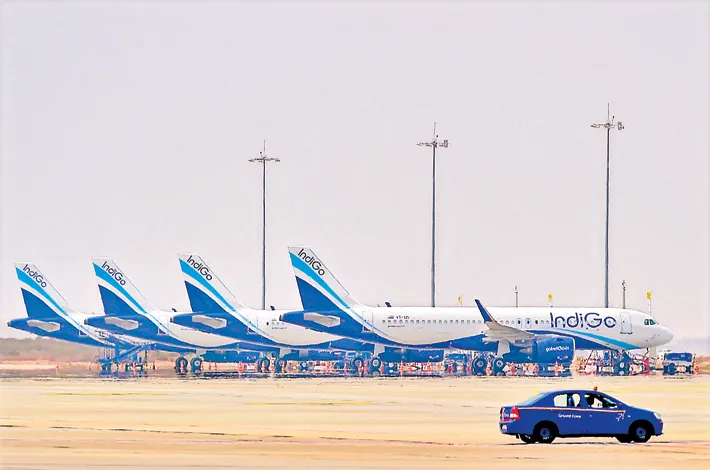
The Ministry of Civil Aviation has informed Parliament that repetitive technical defects have been identified in 377 out of 754 aircraft analyzed across various scheduled Indian airlines over the past 13 months, from January 2025 to February 3, 2026. This figure represents approximately 50% of the fleet reviewed by the Directorate General of Civil Aviation (DGCA) during routine safety audits, surveillance inspections, and other oversight activities.
The data, presented in a written reply in the Lok Sabha by Minister of State for Civil Aviation Murlidhar Mohol, highlights significant variation among carriers. IndiGo, India's largest airline, had the highest number of affected aircraft in absolute terms: out of 405 planes analyzed, 148 (about 36%) showed recurring defects. Air India followed closely with 137 out of 166 aircraft flagged, equating to over 82% of its inspected fleet.
When combined with Air India Express, the Air India Group accounted for 191 out of 267 aircraft (nearly 72%) with repetitive issues. Other airlines included Air India Express (54 out of 101), SpiceJet (16), Akasa Air (14), and Alliance Air (8). A key point of concern raised in discussions around the disclosure is the lack of detailed classification from the government on the nature of these repetitive defects.
Authorities have not specified whether the issues are critical safety-related faults—such as engine failures, landing gear problems, flight control malfunctions, hydraulic failures, faulty sensors, autopilot issues, or software glitches—or non-critical maintenance concerns. Critical defects typically demand immediate corrective action or grounding to prevent risks to flight safety, while non-critical ones may fall under the Minimum Equipment List (MEL) and relate to passenger comfort, such as inoperative in-flight entertainment systems, broken seats, tray tables, damaged interior panels, or minor cosmetic damage.
Experts note that the continued operation of these aircraft without grounding suggests that many of the identified defects may not pose immediate severe threats. However, the recurrence of the same issues despite prior fixes has prompted questions about maintenance practices and regulatory oversight in India's rapidly expanding aviation sector.
The government has emphasized ongoing efforts to strengthen safety monitoring, including thousands of inspections, audits, ramp checks, and increased technical staffing at the DGCA. Aviation stakeholders and passengers await further clarification from authorities on the severity of the defects to better assess potential implications for air travel safety.