8 September, 2026 | 5:16 AM


Decoding latest RBI MPC meet
08-02-2026 12:00:00 AM
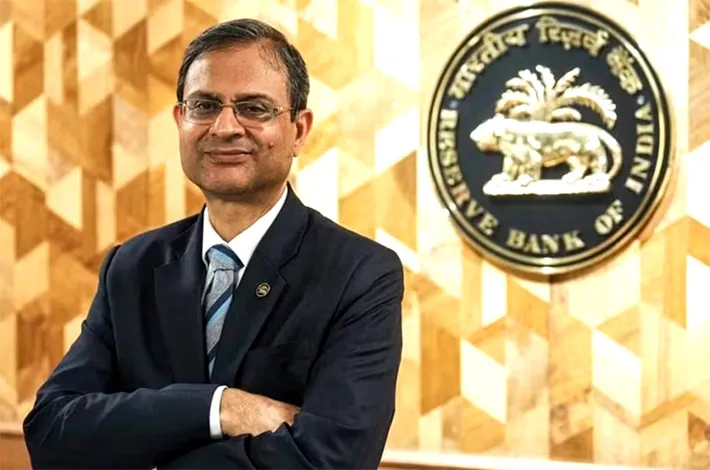
The Reserve Bank of India's Monetary Policy Committee (MPC) has opted to keep interest rates unchanged at 5.25%, aligning with widespread market expectations. In a post-policy discussion, a former RBI Deputy Governor described the decision as a prudent "wait and watch" approach, emphasizing the neutral stance amid well-behaved inflation and limited room for further rate cuts. The policy includes liquidity measures and signals optimism for future growth, particularly buoyed by recent trade tariff clearances.
He noted that the MPC is keeping its "powder dry," avoiding aggressive actions in a stable economic environment. Financial analysts highlighted the anticipation surrounding revised methodologies for calculating inflation and GDP, set to be introduced soon. The Chief Economist of a Public Sector Bank pointed out that while the underlying economic realities remain unchanged, the new optics could spark debates and reassessments. He expected that the transition to settle quickly, paving the way for smoother policy discussions.
However, he cautioned that significant shifts in the next MPC meeting in June are unlikely, given positive domestic factors and minimal downside risks to inflation or growth. Instead, any surprises might come from enhanced growth momentum, though rate reductions could harm household savings reliant on deposit rates. An investment banker echoed the conservative approach of RBI, praising the decision to avoid premature actions amid fast-moving indicators. He anticipated slight upward adjustments in inflation and GDP estimates under the new series but stressed that core differences might not be drastic.
A key positive for him was the policy's emphasis on improved IT services performance, addressing concerns about the sector's future amid global tech shifts. However, he expressed disappointment over weak transmission to the government bond market, where yields have moved adversely, setting an unintended floor. With substantial bond supply from both central and state governments on the horizon, he called for more assurances on potential rate cuts to bolster market confidence.
Another executive from a finance company went into the bond market dynamics, arguing that while verbal signalling might be unnecessary given ample liquidity injections, aggressive RBI interventions are crucial. He suggested measures like Operation Twist—buying long-dated bonds while selling short-dated ones—so as to “equalize” yields and ensure better transmission. He believed yields should ideally drop below 6.5%, countering demand-supply mismatches influenced by delayed bond purchases. He hoped for such actions before March-end to stabilize the market, emphasizing that announcements alone won't suffice; proactive secondary market operations are needed.
From an equity markets perspective, a representative of investment banking firms noted that the policy met low expectations, with no rate cut anticipated. He viewed the liquidity stance positively, as the RBI has addressed tightness concerns without negative surprises. However, equity markets remain focused on broader factors like India-US trade deal and earnings seasons. The investment bankers highlighted worries over elevated 10-year government securities yields due to the budget's gross borrowing target of 17 lakh crores, plus substantial state borrowings. This has hindered transmission, prompting calls for policy interventions to align market realities with RBI guidance.
MD of a public sector bank affirmed the policy's consistency on repo rates and stance. He spotlighted regulatory announcements, particularly allowing banks to invest in Real Estate Investment Trusts (REITs), as a game-changer. This opens a previously closed avenue in a market growing at 25%, potentially reaching two crore in value. Other measures, like enhanced digital protections and increased collateral-free loans for MSMEs up to 20 lakhs, were welcomed for improving affordability and access, especially for smaller entities.
He also provided insights into credit growth, observing robust expansion across retail, mortgages, agriculture and MSMEs, with corporates picking up at 7%. He projected system-wide growth nearing 14%, essential for tripling India's credit-to-GDP ratio from 56% to meet long-term goals like Viksit Bharat. For FY27, he anticipates even higher growth in the high teens, fuelled by new levers like REIT investments and upcoming mergers and acquisitions guidelines. On MSMEs, the waiver of collateral and associated fees under the CGTMSE scheme reduces costs by about 1.6%, making credit more viable during challenging periods.
Debate intensified around growth prospects. The investment banker expressed cautious optimism, hoping for nominal GDP growth around 10% in FY26, potentially rising to 14-15% in FY27, though IT disruptions could impact exports and balance of payments. The finance company executive offered a contrasting view, noting a disconnect between upbeat corporate managements focused on volume growth and bearish fund managers fixated on inflation-adjusted figures. He attributed some pessimism to FPI outflows and currency pressures, yet affirmed underlying volume momentum. The retired RBI official reinforced that surprises could tilt positively for growth, driven by trade arrangements, but stressed non-rate tools for liquidity support to avoid saver impacts.
Inflation discussions centered on the new series, with 358 items replacing 299 and reduced food weightage. Top sources in the ministry of finance suggested the RBI likely has preliminary insights, influencing forecasts without explicit disclosure. Core inflation at 2.6% (excluding precious metals) was flagged as soft, potentially shifting under revisions, but not a major concern given stable projections. However, it was agreed upon that while numbers might edge up, the policy's neutral tone avoids overreactions.