21 September, 2026 | 5:46 PM


Gen Z fury over PK
03-08-2026 12:00:00 AM
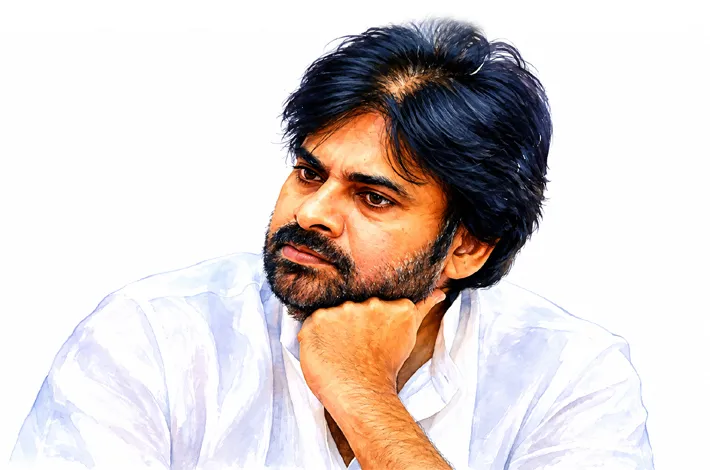
■ PK zara hatke, zara bhakte yehai Gen Z meri jaan
■ The speech and old clips of Kalyan and Naidu criticizing Modi and the BJP triggered an online storm
metro india news I hyderabad
At the inauguration of the Bhogapuram International Airport near Visakhapatnam, Andhra Pradesh Deputy Chief Minister and Jana Sena Party chief Pawan Kalyan delivered a speech laced with high praise for Prime Minister Narendra Modi that has ignited one of the sharpest social media backlashes the actor-politician has faced in recent years. Standing in Modi’s presence, Kalyan confessed that tears welled up in his eyes when he saw the Prime Minister being abused by members of Generation Z on social media and other platforms.
His remarks, heavy with superlatives and hyperbole, framed Modi as a transformative national figure whose personal dignity deserved protection from online vitriol. The speech, delivered amid the formal launch of a long-delayed infrastructure project, was intended to signal the solidity of the TDP-Jana Sena-BJP alliance that returned to power in Andhra Pradesh.
Instead, it triggered an immediate and sustained online storm. Young users, particularly those identifying with Gen Z, accused Kalyan of selective emotion and political opportunism. Within hours, clips of the speech circulated alongside older footage of Kalyan, TDP chief and Chief Minister N. Chandrababu Naidu, and actor-turned-TDP MLA Nandamuri Balakrishna criticizing Modi and the BJP in earlier years. The contrast was presented as evidence of a sudden and convenient conversion.
Critics zeroed in on the tearful confession itself. Netizens repeatedly asked why similar emotion had not surfaced when Kalyan’s own mother faced public abuse, when Naidu and other alliance partners had earlier targeted Modi, or during the reported suicides of 21 NEET aspirants that had sparked national debate over examination pressures and student mental health. The questions were pointed and personal, turning what might have remained a routine alliance ritual into a broader indictment of political consistency.
“Tears for Modi’s online critics but silence elsewhere” became a common refrain across platforms, with users compiling side-by-side videos that showed Kalyan and his current partners in more confrontational postures toward the BJP in the past. The backlash reflects deeper tensions in Andhra’s realigned politics. After years of friction between the TDP and BJP, and Jana Sena’s independent positioning, the three parties forged a pre-poll understanding that delivered electoral success.
Public displays of warmth toward Modi serve as visible markers of that partnership. Kalyan’s language at Bhogapuram went further than many expected, elevating personal sentiment above standard political courtesy. For supporters of the alliance, the remarks underscored commitment to a national leadership that had delivered infrastructure and governance models they wished to emulate.
For detractors, especially younger voters who follow political statements across election cycles, the performance appeared theatrical and timed for maximum camera effect. Old videos resurfaced with particular force. Footage of Naidu’s past criticisms of the central government, Balakrishna’s sharper comments, and Kalyan’s own earlier skepticism toward the BJP were stitched into montages that spread rapidly.
These clips, often stripped of original context, served as ready ammunition for those arguing that yesterday’s opponents had become today’s emotional defenders. The exercise highlighted how digital memory has shortened the shelf life of political pivots.
Statements once delivered to different audiences now confront the same figures in real time, amplified by algorithms that reward contrast and outrage. The Gen Z reaction carried a distinctive tone. Rather than traditional opposition talking points, the criticism mixed sarcasm, moral equivalence, and generational grievance.
Users questioned the hierarchy of outrage: why an online insult directed at the Prime Minister warranted tears while other instances of abuse or tragedy did not. References to the NEET suicides, though not directly linked to the airport event, were deployed to underscore perceived selectivity. The roasting was personal and relentless, treating Kalyan less as a deputy chief minister fulfilling alliance protocol and more as a public figure whose emotional displays invited scrutiny of consistency.
Political analysts note that such moments test the durability of post-election coalitions. In Andhra Pradesh, where regional identity and anti-incumbency dynamics have long shaped outcomes, the public performance of unity carries both rewards and risks.
Kalyan’s speech may have reassured BJP supporters that the alliance is more than a temporary arithmetic arrangement. At the same time, it handed critics a ready narrative of flip-flopping that can be revived whenever convenient. The intensity of the online response suggests that younger voters, who consume politics primarily through short clips and comment threads, are less willing to accept abrupt shifts without explanation.
The Bhogapuram airport itself represents a tangible deliverable of the current government. Its inauguration provided a high-visibility platform shared with the Prime Minister, making the accompanying rhetoric especially consequential. Kalyan’s choice to personalize the praise—invoking tears over online abuse—moved the discourse from policy into the realm of sentiment.
Once there, it invited the very scrutiny of authenticity that social media performs most efficiently. Netizens did not merely disagree with the content; they interrogated the emotion itself, demanding reciprocity across issues and timelines. This episode also illustrates the changing relationship between regional leaders and national platforms. Figures who once operated primarily within state-level narratives now find their words measured against a continuous national feed.
Gen Z users, often less invested in the historical grievances that once defined TDP-BJP or Jana Sena-BJP relations, apply a flatter standard of consistency. Past attacks on Modi by Naidu, Balakrishna, or Kalyan are treated not as context-dependent political positioning but as fixed data points that contradict present praise. Whether the controversy produces lasting political damage remains unclear.
Alliance partners have weathered sharper storms, and infrastructure milestones tend to overshadow rhetorical misfires over time. Still, the speed and specificity of the reaction signal that emotional appeals, once effective in controlled settings, now face immediate forensic examination online. Kalyan’s tears for Modi’s dignity became, for many young critics, a mirror held up to other silences. In that reflection, the deputy chief minister found himself roasted with an intensity he had rarely encountered.
The episode ultimately reveals more about the collision of alliance necessity, digital memory, and generational expectations than about any single speech. In an era when every public utterance is archived and cross-referenced, hyperbolic praise carries a price. Pawan Kalyan paid it in the currency of online scorn, delivered most forcefully by the very demographic whose criticism of Modi had moved him to tears.