21 September, 2026 | 12:37 AM


TTD ghee row gets fresh twist
21-09-2026 12:00:00 AM
■ ED arrests Sukriti Foods promoter
■ CBI-SIT and ED investigations indicate ghee was adulterated but no presence of beef tallow or lard
metro india news I AMARAVATI : The Tirumala Tirupati Devasthanams (TTD) ghee controversy, which erupted into a major political and religious dispute in 2024, has acquired a fresh dimension with the Enforcement Directorate (ED) arresting Sukriti Foods promoter Kailash Chand Mangla in connection with the alleged adulteration and fraudulent supply of ghee to the temple. The latest ED investigation has established a case involving the manufacture and supply of adulterated material that was allegedly passed off as Agmark Special Grade cow ghee.
The agency has identified refined palm oil, palm kernel oil, palmolein and chemicals including MG-90, monoglycerides, Myvacet Soft 400 and acetic acid ester among the substances allegedly used in manufacturing the adulterated product. The ED has estimated the value of the allegedly fraudulent ghee supplied to TTD between 2019 and 2024 at approximately Rs 230 crore, of which about Rs 96 crore worth was allegedly manufactured by Mangla. The agency has accused him of facilitating procurement of adulterants, manufacturing the product at his factory and coordinating supplies through intermediary entities.
Mangla was arrested on September 17 under Section 19 of the Prevention of Money Laundering Act and subsequently produced before the Special PMLA Court in Visakhapatnam, which remanded him to judicial custody. The developments are particularly significant because the ghee controversy had already become one of Andhra Pradesh’s most politically charged disputes in 2024.
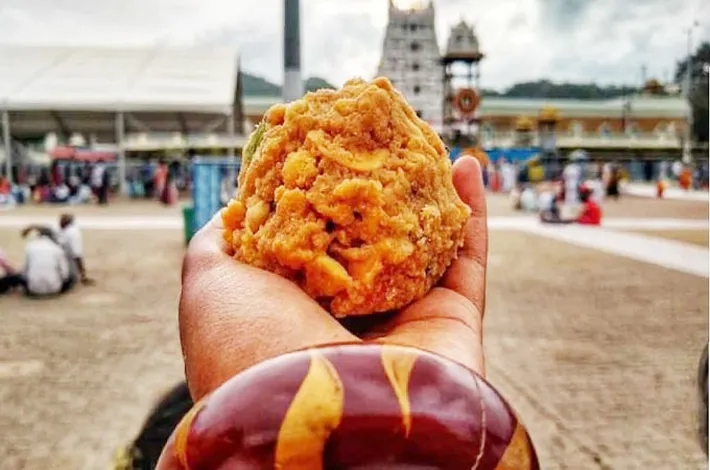
Then, Chief Minister N. Chandrababu Naidu and Deputy Chief Minister Pawan Kalyan publicly alleged that animal fat had been used in the ghee supplied for Tirumala laddus. The allegations triggered widespread outrage among devotees and led to demands for an independent investigation. A CBI-led Special Investigation Team was subsequently constituted following the Supreme Court’s intervention. However, the subsequent investigation produced an important distinction between adulteration and animal-fat adulteration.
The CBI-led SIT’s final chargesheet, filed in January 2026, found that the ghee was adulterated with vegetable oils and other substances but did not establish the presence of beef tallow or lard. Reports on the chargesheet said the material supplied was effectively synthetic or fake ghee, involving palm oil, palm stearin and palm/kernel oils rather than the animal fats alleged in 2024.The episode therefore leaves two separate questions before the public and the courts: who was responsible for adulterating and fraudulently supplying ghee to one of India’s most revered temples, and on what evidentiary basis were the much more inflammatory animal-fat allegations made in 2024?
The first question is now being pursued through criminal and money-laundering investigations. The second remains part of the public and political controversy surrounding the episode. For millions of devotees, the fundamental issue is neither political rhetoric nor partisan counter-rhetoric. It is whether material sold as sacred cow ghee was genuinely what it was represented to be. The CBI-SIT and ED investigations indicate serious alleged fraud and adulteration; determining individual criminal liability, however, remains a matter for the courts.