24 August, 2026 | 4:23 PM


Gaming risks grow
25-06-2026 12:00:00 AM
Metro India News | Hyderabad
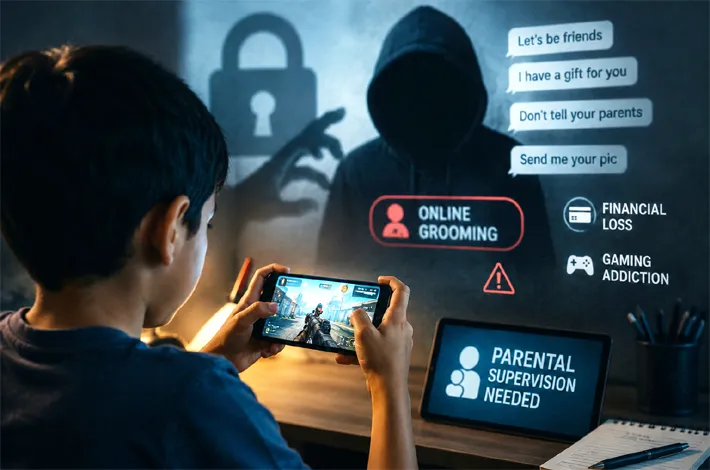
Online multiplayer gaming is becoming an increasingly significant part of childhood, bringing with it concerns that extend beyond screen time. From unauthorized in-game purchases and gaming addiction to online grooming and digital exploitation, experts say parents are facing new challenges in monitoring children's online activities. The issue is particularly visible among boys aged 10 to 17, for whom battle royale games such as Free Fire MAX have become a major part of daily conversations and leisure time.
Highlighting these concerns, Hyderabad Police Commissioner V.C. Sajjanar noted that a growing number of complaints initially reported to cybercrime authorities as financial fraud are later found to involve children making in-game purchases using payment methods saved on family devices. Investigations have shown that many such transactions originate from grandparents’ phones, where saved cards, UPI accounts and net banking facilities are often available and less closely monitored.
According to the police, peer status in gaming communities is increasingly linked to premium skins, Elite Pass subscriptions and rare virtual items obtained through paid draws, creating pressure on children to spend money. Devices originally provided for online classes are also being used for prolonged and sometimes late-night gaming sessions, particularly in households where parents work long hours or have limited familiarity with digital platforms.
Psychologists warn that excessive gaming can affect sleep, academic performance, social interaction and emotional well-being. The World Health Organization recognizes Gaming Disorder as a medical condition characterized by impaired control over gaming and a tendency to prioritize gaming over school, sleep and family life despite harmful consequences.
Experts stress that outright bans are often ineffective. Instead, they recommend parental controls, secure payment settings, screen-time limits and regular conversations with children. Police have also cautioned that unmonitored online interactions can, in some cases, leave children vulnerable to online grooming, where predators build trust with minors online for exploitation or abuse.