20 September, 2026 | 11:15 PM


Farmers face losses as drought devastates crop
26-07-2026 12:00:00 AM
Metro India News | YADADRI BHUVANAGIRI
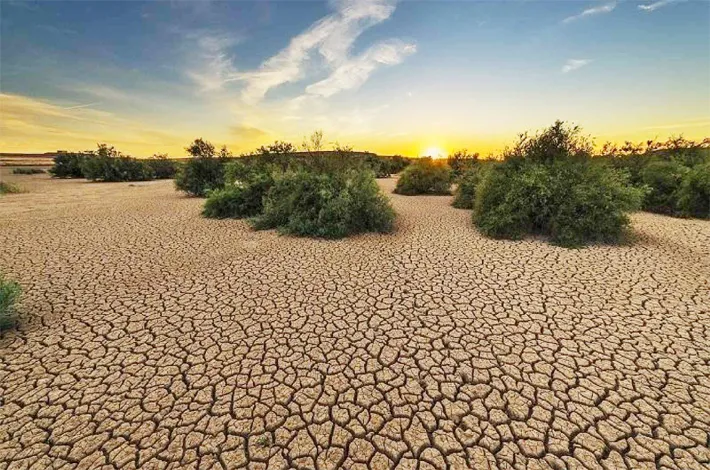
Farmers in Samsthan Narayanpur mandal are facing severe financial distress after prolonged dry weather and poor rainfall prevented recently sown cotton seeds from germinating, leaving thousands of acres of farmland barren and investments wasted. Last year, abundant rainfall filled tanks and ponds, leading to excellent agricultural yields. Encouraged by those favorable conditions, many farmers began agricultural operations early this season after receiving a few pre-monsoon showers, expecting normal rainfall to continue.
Several farmers even expanded cultivation by leasing additional land. However, the anticipated rains never arrived, and the prolonged dry spell, attributed by many to the impact of El Niño, has left them struggling with mounting losses. Although paddy and red gram remain the dominant crops in Narayanpur mandal, cotton has gained popularity as a commercial crop in recent years. Farmers sowed three to four packets of cotton seed per acre across thousands of acres, hoping for profitable returns. Instead, the lack of rainfall prevented most seeds from germinating, while young plants that did emerge withered due to moisture stress.
Farmers say their investments have been completely wiped out, comparing the situation to pouring precious resources into ashes. With no immediate solution in sight, many are anxiously looking to the skies, hoping for rain to salvage what remains of the season. The ongoing drought has also exposed concerns about the lack of timely agricultural guidance. While officials have advised farmers to shift to drought-resistant crops, many cultivators say they have not received adequate information about which crops are best suited to local soil conditions or how to adapt to changing weather patterns.
Officials warn that if the dry spell continues, farmers cultivating water-intensive crops such as paddy and cotton may face even greater challenges in protecting their crops. Experienced farmers believe that agricultural extension officials should provide village-specific recommendations based on soil type and available water resources. They say such guidance would help farmers reduce risks and improve productivity even under difficult climatic conditions.