25 August, 2026 | 10:50 AM


Farmers await ‘Seed Law’ amid concerns over fake seeds
11-07-2026 12:00:00 AM
Metro India News | Hyderabad
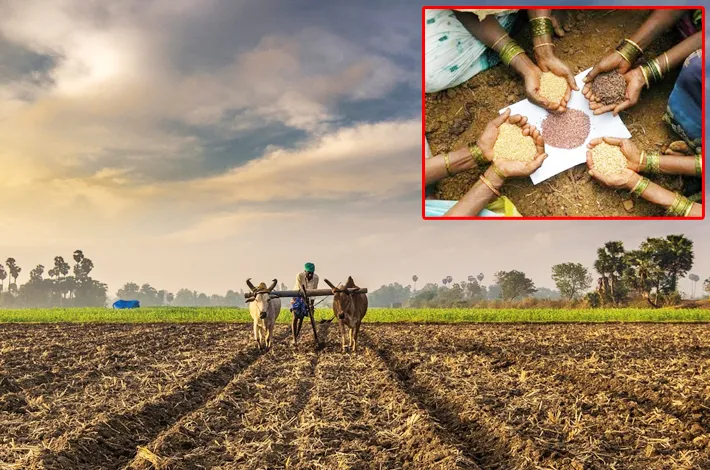
Over the past three decades, hundreds of private companies have entered the seed production, supply and marketing sectors in Telangana with the state emerging as the "seed capital of India." At the same time, concerns over the rising incidence of spurious seeds, increasing seed prices and the growing influence of private companies in the seed sector have intensified among farmers in Telangana.
Every year, thousands of acres of crops are reportedly damaged due to the use of adulterated and poor-quality seeds, leaving many farmers in severe financial distress. Private companies have also been steadily increasing seed prices, adding to the burden on cultivators. However, farmers' representatives argue that two key measures intended to safeguard the seed sector — the proposed Seed Bill and the revival of the Adarsha Rythu (Model Farmer) system — remain pending at the government level despite months passing since their proposals were submitted.
Demand for Stronger Seed Regulation
With the objective of strengthening farmer protection, the Telangana State Farmers Commission prepared a draft Seed Bill and submitted recommendations to the government. However, the government is yet to take a final decision on these recommendations. Complaints have reportedly been received from farmers alleging that some companies failed to pay agreed amounts for seed production contracts.
The Farmers Commission had taken note of such issues and helped facilitate compensation in certain cases. Farmers' representatives say that once the proposed Seed Bill becomes law, the government would have greater authority to regulate seed prices, prevent arbitrary price hikes by multinational companies and ensure compensation for farmers affected by defective seeds.
Farmers Seek Revival of Adarsha Rythu System
Along with the Seed Bill, farmers are also demanding the revival of the Adarsha Rythu system, which previously served as a bridge between government departments and cultivators at the village level. The system continued until 2017 and played an important role in spreading awareness about new agricultural technologies and government schemes among farmers. Although the present government has indicated interest in strengthening the system, the final decision remains pending.
Farmers and agricultural organizations are questioning the delay in approving the Seed Bill and restoring the Adarsha Rythu mechanism. They have urged the State Government to take immediate steps to implement a strong seed law and adopt measures that protect farmers' interests and ensure transparency in the seed sector.
According to agriculture department officials, hybrid paddy seed cultivation in Telangana covers around 1.2 lakh acres involving nearly 48,000 farmers. Normal paddy seed production is carried out across approximately 4.5 lakh acres by around 1.5 lakh farmers. Maize seed production involves nearly 31,000 farmers across 1.25 lakh acres, while millet seed cultivation covers about 5,000 acres involving 24,000 farmers. Cotton seed production is undertaken across around 42,000 acres by nearly 39,000 farmers.